Documenting Native American Families in 19th and 20th Century Records
Angela Walton-Raji


Content


About this webinar
Native American ancestry is often perceived as a lineage difficult to trace. There are a number of records from public resources that reflect Indian communities, both large and small. This workshop will illustrate the records found in both 19th and 20th century collections. To be discussed will be traditional census records and how to find unique tribal communities, as well as specific Indian rolls from New England to the western frontier.
About the speaker

Key points and insights
Unlocking the history of Native American ancestry requires a blend of traditional genealogical methods and a deep understanding of specialized historical records. In the featured webinar, "Documenting Native American Families in 19th and 20th Century Records," presenter Angela Walton-Raji delineates the structured pathway required to accurately trace indigenous lineages. This presentation serves as an essential guide for researchers aiming to navigate the complexities of blended families, tribal jurisdictions, and shifting racial designations across census documents. By contextualizing family histories within local geographic origins, genealogists can overcome common pitfalls and separate physical features or family lore from verifiable historical evidence.
- Standard Methodology is the Foundation: Research must always begin with standard genealogical practices, such as collecting oral histories and analyzing federal census schedules from 1940 moving backward, before transitioning into specialized indigenous records. Shifting racial designations over time—such as an individual being classified as mulatto in one census and Indian in another—highlight the necessity of tracing an ancestor's entire life cycle step-by-step rather than jumping directly to tribal rolls.
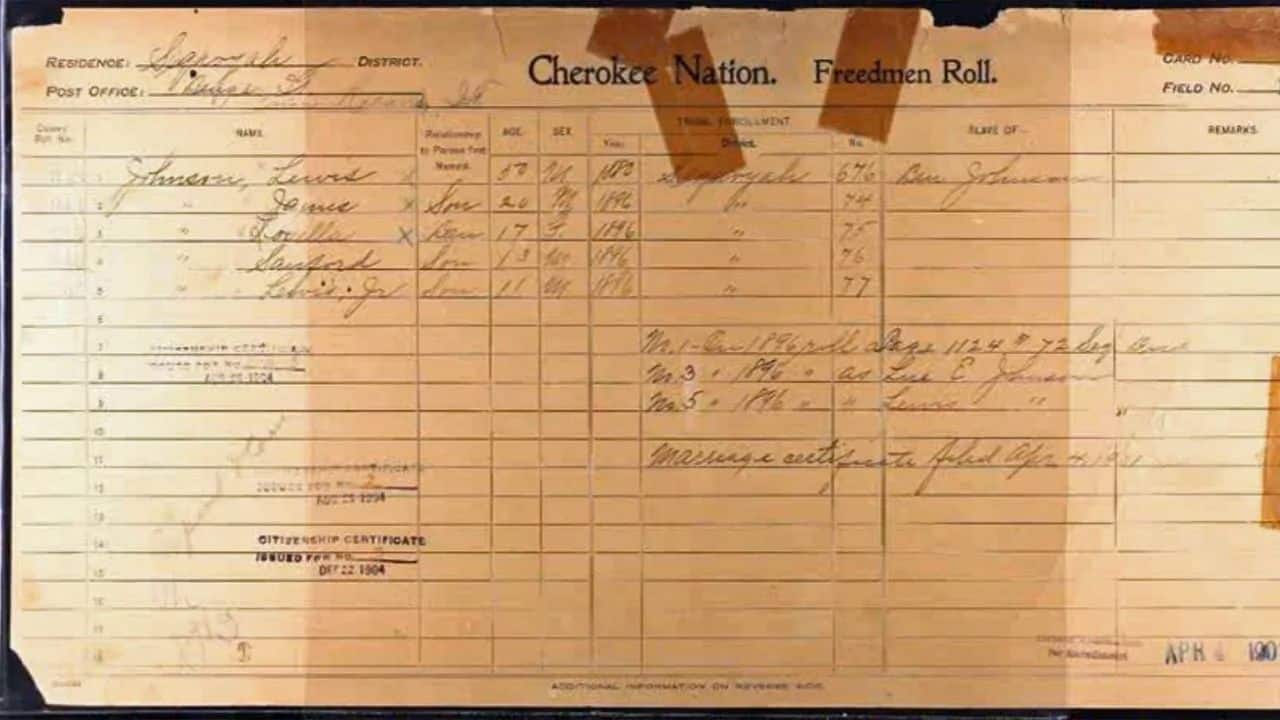
- Value of Specialized 20th-Century Records: Major federal record sets, including the 1900 and 1910 special Indian census schedules, the Dawes Rolls for the Five Civilized Tribes in Oklahoma, and the extensive Guion Miller Rolls for Eastern Cherokee descent, offer unparalleled demographic data. These records contain highly detailed application jackets, under-oath interviews, and unique hand-drawn pedigree charts that provide deep insight into a family's multigenerational history.
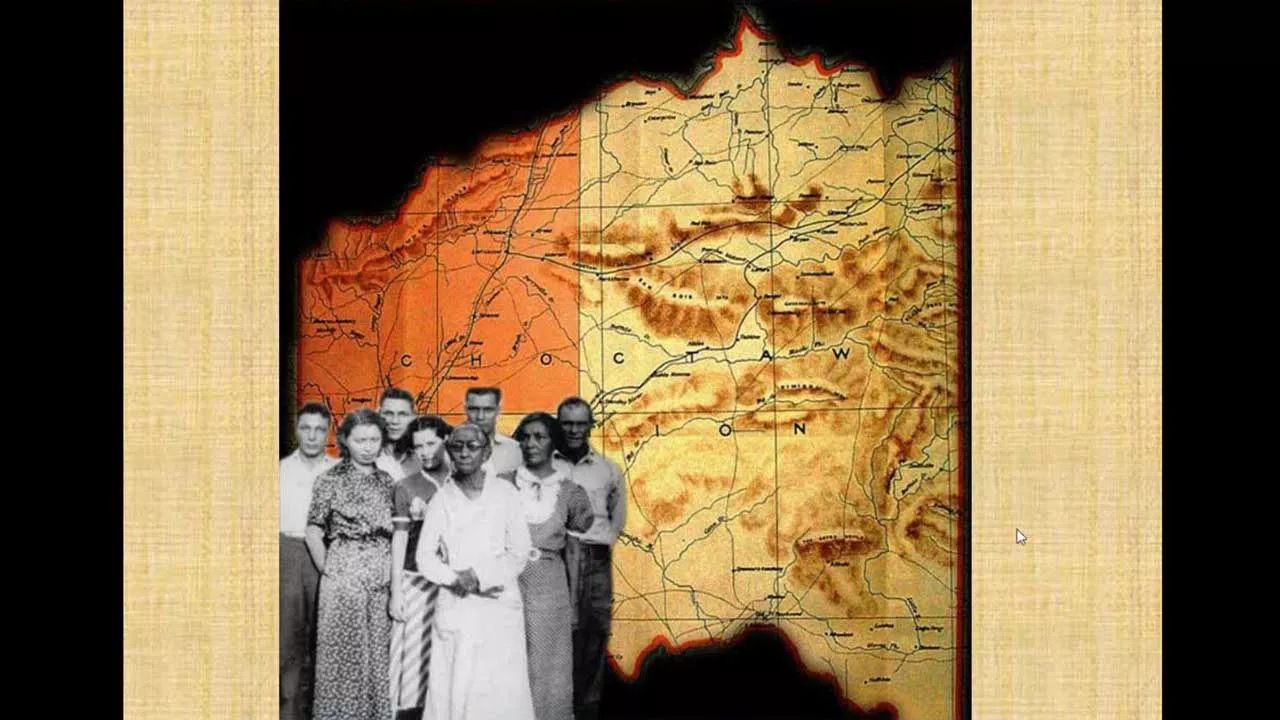
- Geographic and Historical Context Matter: Successful research depends heavily on studying the local history of the ancestral region to identify which indigenous nations lived near the family home. Historical factors such as colonial slavery, the Trail of Tears migration, and regional land allotments significantly influenced how families were recorded, making local courthouse land deeds and regional church records critical for uncovering the truth.
To fully grasp these advanced research strategies and view the incredible visual examples shared during the presentation, researchers are encouraged to watch the complete webinar recording. Viewing the session provides a comprehensive understanding of the nuances involved in tracing Native American roots and safeguards the integrity of genealogical research. Additionally, viewers are invited to explore the extensive six-page syllabus accompanying the webinar. This resource is packed with supplementary tools, instructional forms, and references to vital online archives, serving as the perfect companion for anyone ready to confidently embark on their own historical journey.
Related webinars
 01:36:22
 00:51:00
 01:16:32
 00:52:04
 01:24:56
 01:30:24
 01:37:36