Watch webinars that focus on specific record categories including adoption, vital records, cemetery records, census records, city directories, immigration records, newspapers and more for locations around the world.
This database of the Commonwealth War Graves Commission (CWGC) contains WWI and WWII military burials world-wide. Not all burials in CWGC cemeteries are military. Burials include civilians, diplomats, medical personnel, and volunteer aid workers, including women. Most CWGC cemeteries have burials of the unknown as well as Monuments listing the Missing. Some military burials in civilian cemeteries are in this database. Photos of headstones and lists of missing in several CWGC cemeteries in Italy are included. Advises on best utilization of CWGC search engines with different approaches. Information on identification of unknown burials, research possibilities, and CWGC outreach programs are available on the website.
12 Ways to Use Gravestone Clues to Grow Your Family Tree
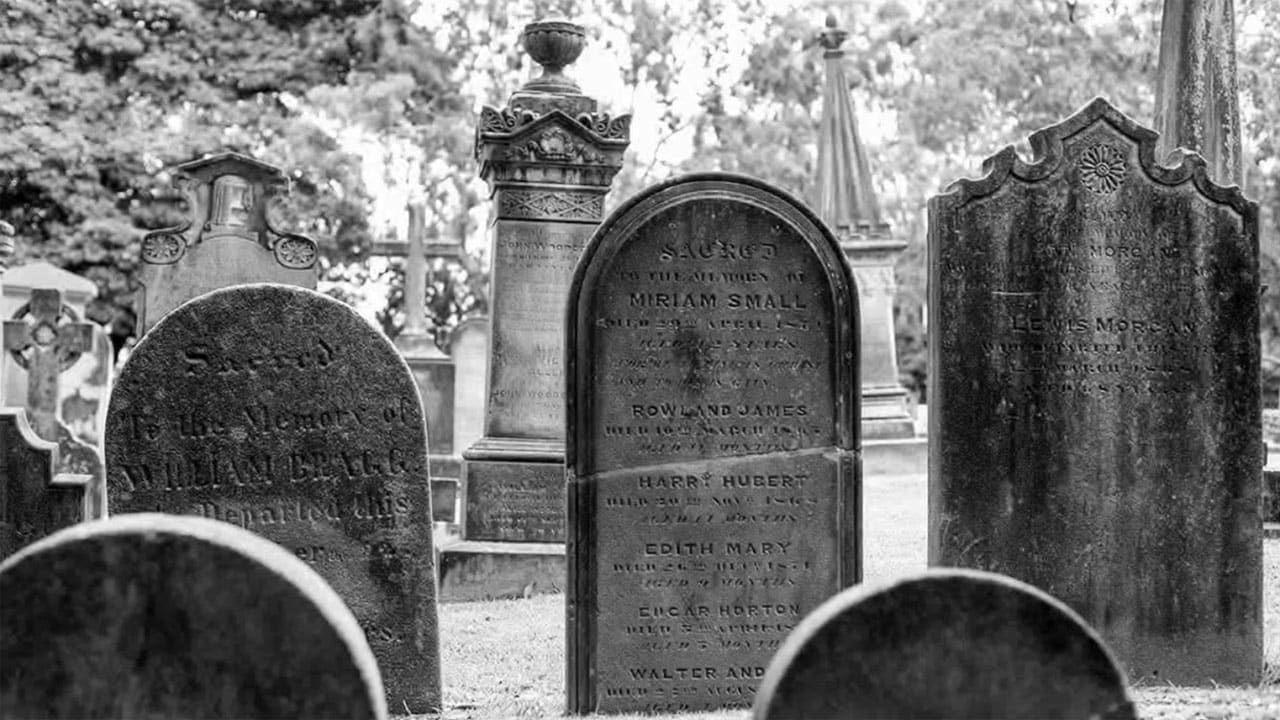
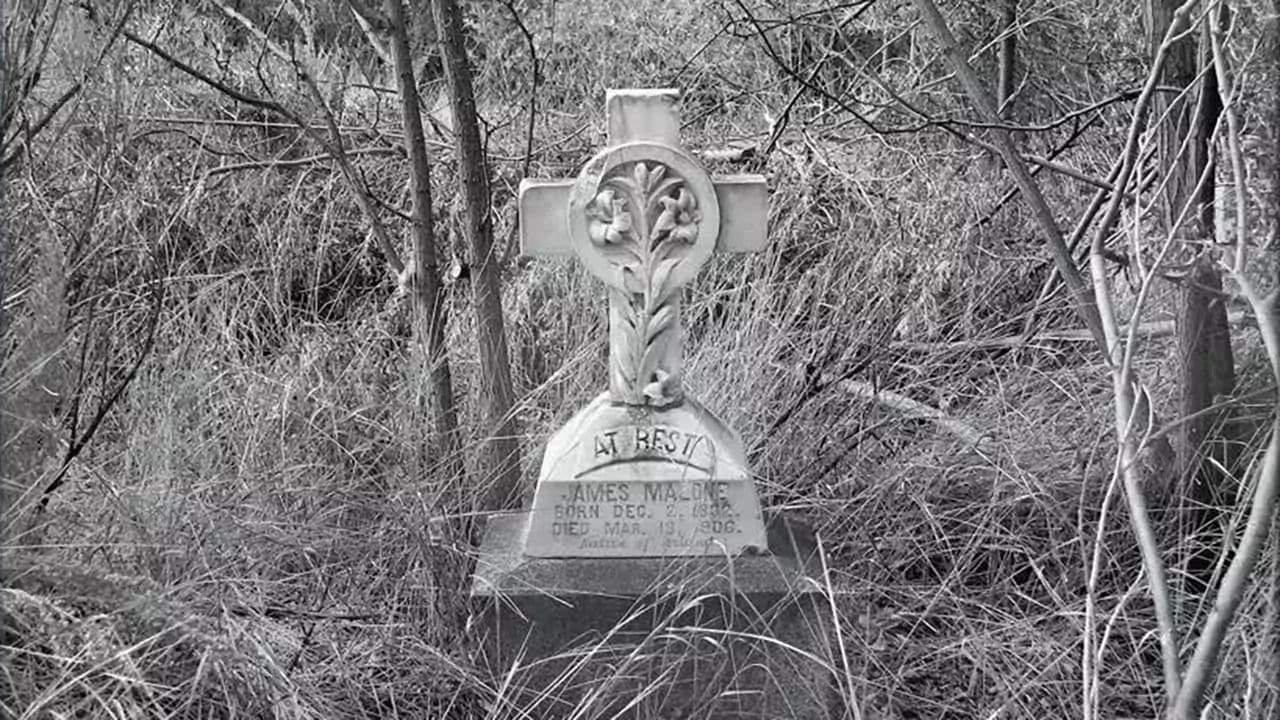
Using gravestone clues to grow your family tree may be one of genealogy’s best-kept secrets! Gravestones function as a journal of sorts – one written in stone. Do you have some brick walls in your family tree? A trip to the cemetery may be just the thing to help you break through! In this webinar, you will learn 12 ways to use gravestone clues to grow your family tree.
Genealogists LOVE cemeteries but we don’t always know the history behind them. When we know the history, types, and traditions of cemeteries we can do better research that helps us understand our ancestor’s final resting place. In this presentation we will take a look at the history of US cemeteries, what you would expect to find depending on time and place, and where you can find records beyond the usual places.
Who Hid the Body? Finding Your Ancestor’s Place of Burial
It’s not over ’til the fat lady sings? Nope. It’s not over until you find where the big girl was buried. This presentation offers examples of records that can lead genealogists to an ancestor’s elusive final resting place.
Narrateurs silencieux : Un guide du généalogiste pour la photographie de cimetière
Les sous-titres et la voix de cette vidéo ont été doublés en français à l’aide de l’IA.
Ils se tiennent là derrière ces portes : des mémoriaux en marbre et en granit pour ceux qui ont précédé. Les pierres dans ces cimetières et les histoires qu’elles racontent pour nos familles sont d’une importance cruciale pour les généalogistes. Comment pouvons-nous accéder au mieux à la terre où ils se tiennent et les photographier pour capturer les histoires qu’ils racontent ?
Les sous-titres et la voix de cette vidéo ont été doublés en français à l’aide de l’IA.
Ils se tiennent là derrière ces portes : des mémoriaux en marbre et en granit pour ceux qui ont précédé. Les pierres dans ces cimetières et les histoires qu’elles racontent pour nos familles sont d’une importance cruciale pour les généalogistes. Comment pouvons-nous accéder au mieux à la terre où ils se tiennent et les photographier pour capturer les histoires qu’ils racontent ?
Silent Storytellers: A Genealogist’s Guide to Cemetery Photography
They stand there behind those gates: marble and granite memorials to those who went before. The stones in those cemeteries and the stories they tell for our families are of crucial importance to genealogists. How can we best get access to the land where they stand, and photograph them to capture the stories they tell?
The presentation will cover Polish cemetery online databases – portals and websites that include information about burials from all over Poland. Kinga will show you how to use these and explain what is the most common information that you may find there.
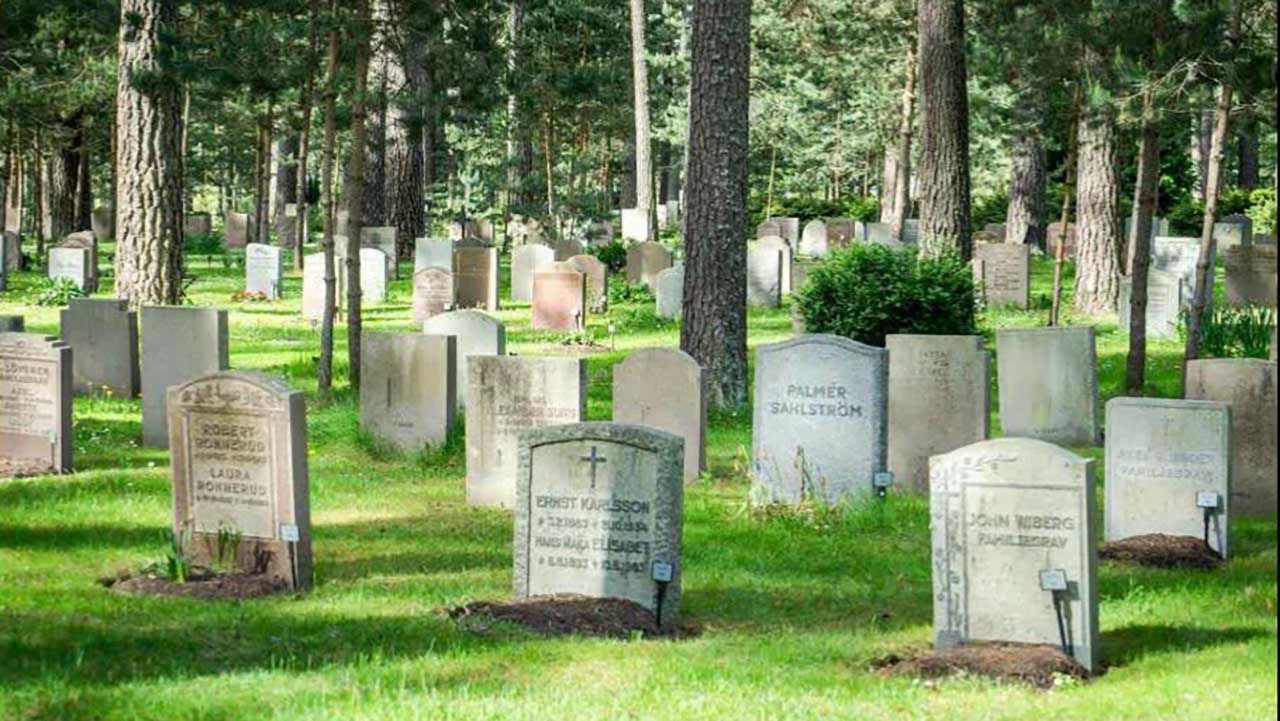
Genealogists use gravestone information to document death information, but oftentimes, a burial marker provides more than biographical information. Gravestones, like any record, should be analyzed but to do so requires one to think beyond genealogical research. In this presentation, we will explore types of cemeteries, the anatomy of a marker, and the “hidden” information the marker provides.
Separate Even in Death – Black Funerals and Cemeteries
Segregation extended into death for African Americans, especially for those in the Southern United States. What led to the development of separate funeral homes and burial grounds? This presentation looks at burial practices for African-Americans from the 16th to the 20th century.
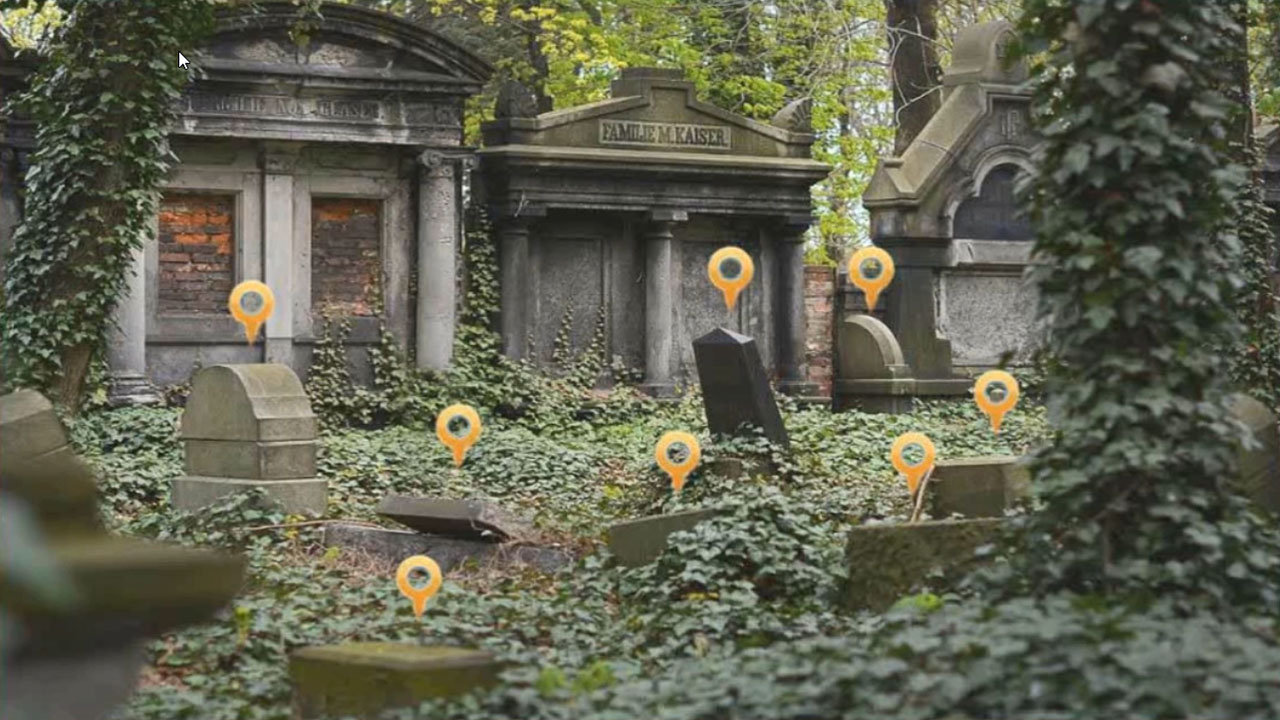
If headstones could talk, they would have a lot of stories to tell. But they can’t, so BillionGraves is the next best thing. BillionGraves is the world’s largest GPS-linked cemetery data resource. As you take photos with the BillionGraves app on your phone, each gravestone is automatically marked with a GPS location. The data is then transcribed by volunteers, plotted on cemetery maps, and preserved on BillionGraves, FamilySearch, and MyHeritage websites for millions of families around the globe for generations to come.
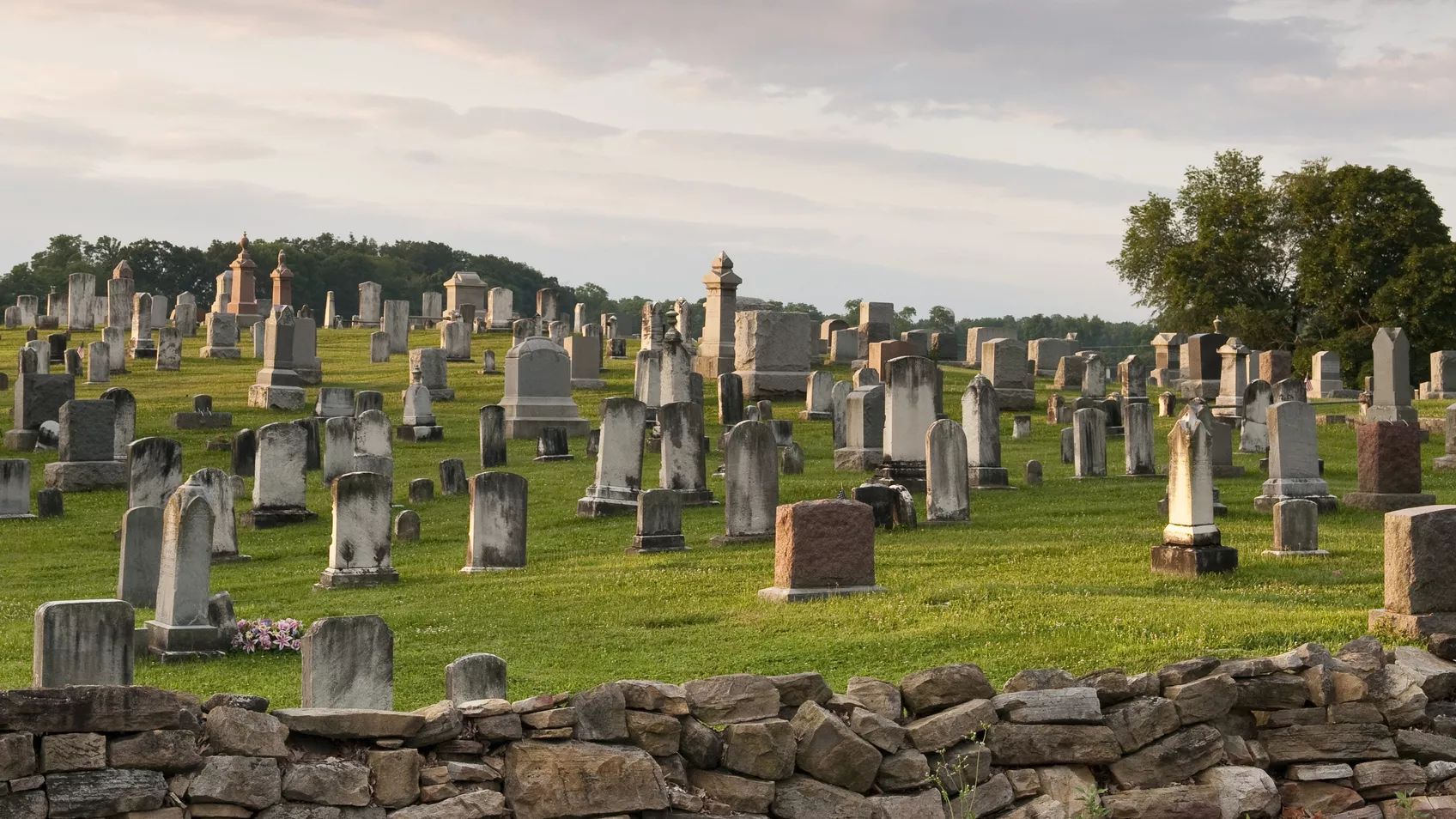
Churchyards are one of the nation’s priceless and unique heritages – a light-hearted review of our forebears’ commemorations, and how to locate and explore these storehouses of history.
La fotografía de un desconocido: ¿punto de partida para una genealogía?
Tue, January 13 2026: 14:00 UTC
En la actualidad, cuando casi cualquier cosa pasa por la IA, el descubrimiento de una fotografía hecha a finales del siglo XIX o principios del siglo XX, no solo nos traslada a otro momento de la historia en el que el contexto era totalmente diferente, sino que nos abre las posibilidades de estudio de una persona y de una familia. Pero, además, ¿qué nos aporta una fotografía de un desconocido? ¿cuánto podemos averiguar de él y de su entorno? Una fotografía es un documento de memoria colectiva y, como tal, aporta una fuente de información sobre estructura familiar, estilo de vida y valores sociales de la época.
By registering, you are submitting your information to Legacy Family Tree Webinars and agreeing to let us use it to contact you.
Thank you for registering!
You should receive a confirmation email with a link to the webinar soon.
You’ll also receive a reminder both the day before and one hour before the webinar begins. Didn’t receive a confirmation email?
You successfully registered for %s.
You should receive a confirmation email with a link to the webinar soon.
You’ll also receive a reminder both the day before and one hour before the webinar begins. Didn’t receive a confirmation email?