



Turn genealogical facts into captivating videos. This session will empower family historians who have only modest tech skills to create short, shareable videos that resonate with all ages. Using Animoto, Canva, iMovie, or Camtasia, learn to blend photos, music, and narration. The result will be magic! Discover how to digitize artifacts, and source public-domain images from places like the New York Public Library’s scanned books. Use AI transcription tools for. Attendees will leave excited to produce a 2–3-minute video story. No video editing skills are needed. This session will draw upon real examples created with the simplest of tools.
Discount code: video26 (valid at Familytreewebinars.com)
Valid through: February 3, 2026
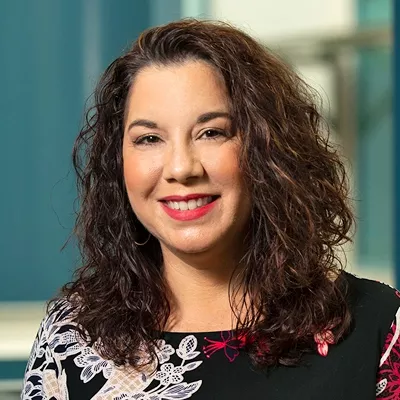
In the digital age, traditional genealogical reports often struggle to capture the interest of younger generations. This webinar, presented by professional biographer Rhonda Lauritzen, demonstrates how video storytelling can bridge this gap, transforming static research into emotional, accessible narratives. By combining digitized artifacts, family lore, and modern technology, genealogists can create powerful legacies that resonate far more deeply than words on a page alone. The presentation offers a practical roadmap for creating high-impact video stories, proving that one does not need to be a technical expert to produce a cherishable family heirloom.
The Power of Transformation: A compelling family video is more than a chronological list of facts; it should center on a “transformation” or growth—either of the ancestor or the descendant’s perspective—to truly capture the audience’s heart.
Accessible Technical Strategies: High-quality videos can be produced using user-friendly, slideshow-based tools like Animoto or Canva, which provide curated, copyright-cleared libraries of music, stock footage, and templates to simplify the creative process.
The Value of Personal Narration: Using one’s own voice as a third-person narrator allows the genealogist to provide necessary context and emotional commentary, effectively bridging the gap when historical details or first-hand feelings of an ancestor are unknown.
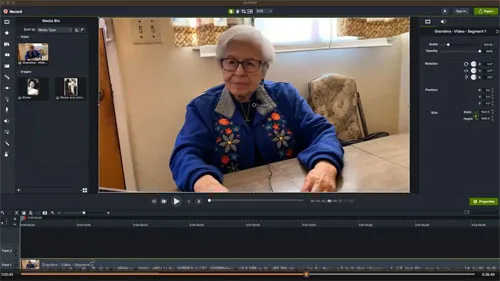
The full webinar provides a wealth of visual examples, including a moving tribute created from a World War I soldier’s wallet and a heartwarming family recipe demonstration that mended real-life relationships. Viewing the complete presentation will equip any family historian with the confidence to move beyond their comfort zone and begin their first project. To further streamline this journey, explore the additional resources, templates, and storyboarding questions included in the comprehensive syllabus. Embracing this medium ensures that your hard-earned research is not just stored in a file, but actively celebrated by your family for years to come.








 Facebook
 X
X
 Syllabus


Excellent and entertaining. She loves what she does and it shows in her presentation.
Great webinar Thank you
Lots of great suggestions for beginners like myself. Easy to understand. Rhonda is a great presentor and her short video of her grandfather proves it.
5++++ an excellent presentation with oodles of information. Top Rate. I’ve been interested in video [the exact things Rhonda covered} but thought it would be too difficult. Now, I am armed with the basic knowledge I can go forward … thanks so much for such a great, basic tutorial.
This webinar was jam packed with valuable info for the video novice and experienced videographer. Rhonda Lauritzen is an excellent teacher! I will try to attend every one of her upcoming videos.
Loved it! Best webinar for me as I am hoping to make a video story of a great-grandmother that I have never met. Great advice and resources to check out! Yay!
This gave me a lot to think about. I really needed these suggestions of tools to use.
I liked that she shared examples that were short and looked fairly easy. Her comment that we need an inciting incident and a transformation (even if it’s ours).