Watch webinars that focus on specific record categories including adoption, vital records, cemetery records, census records, city directories, immigration records, newspapers and more for locations around the world.
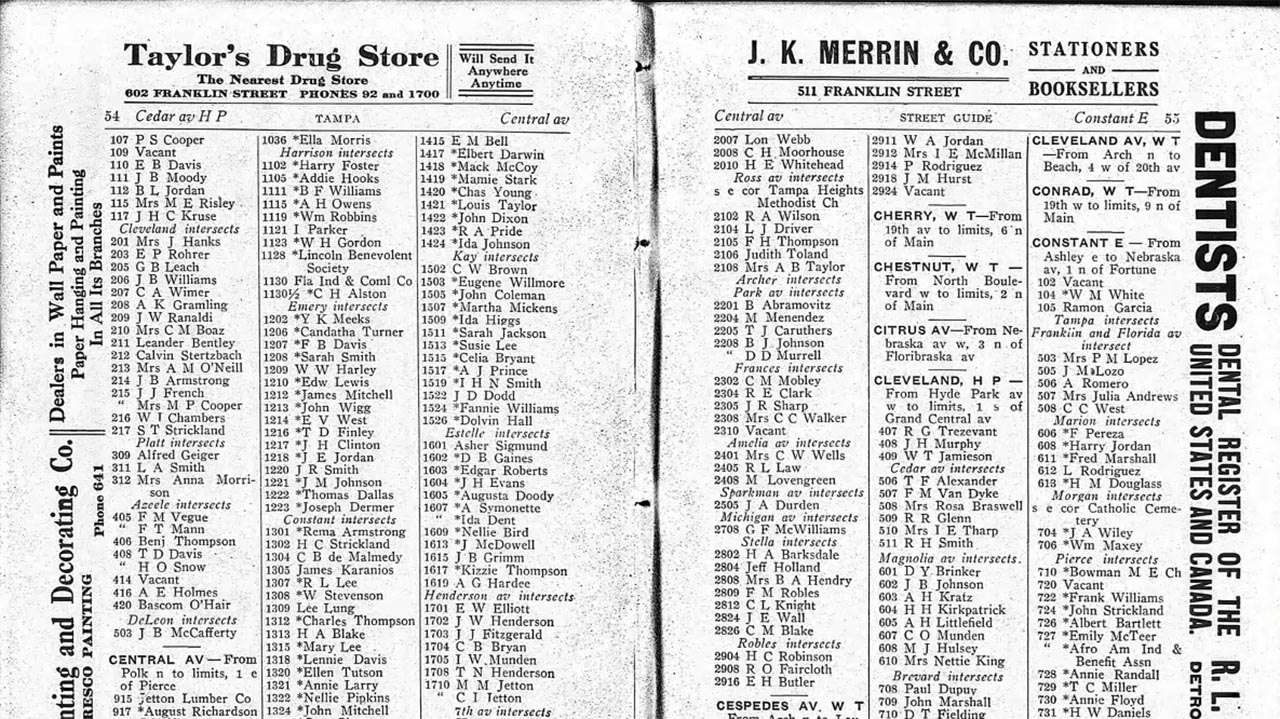
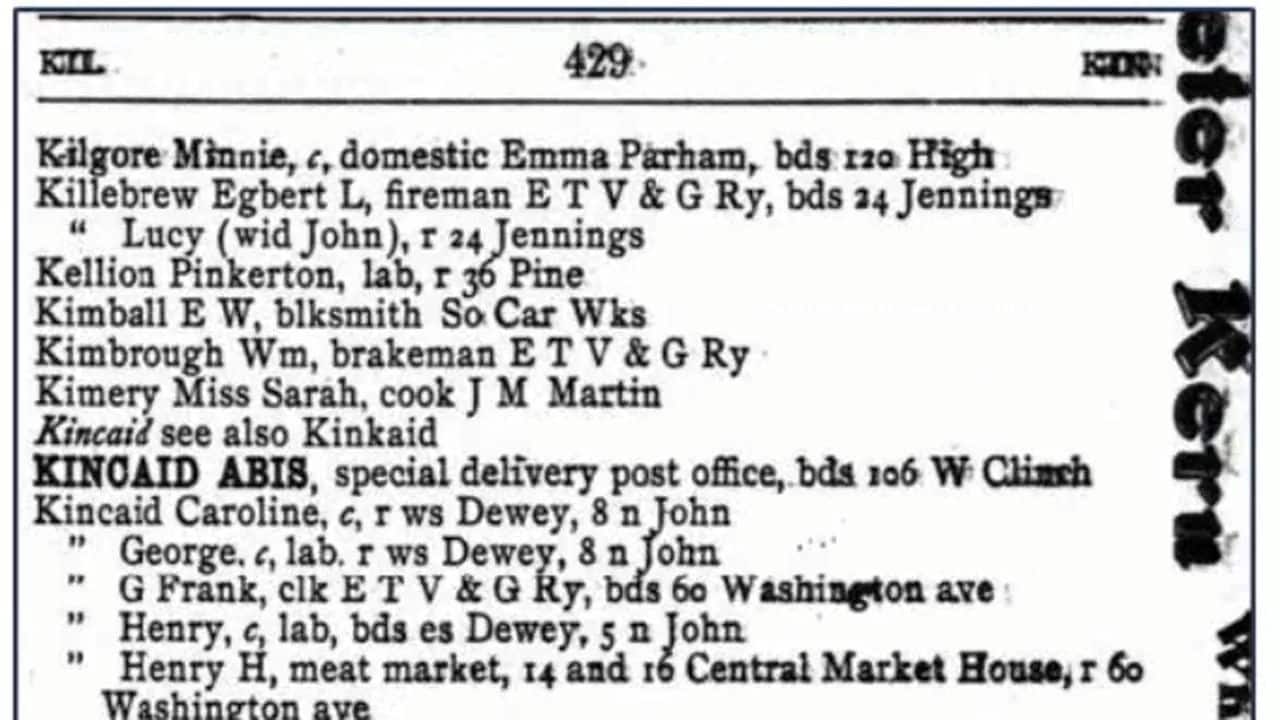
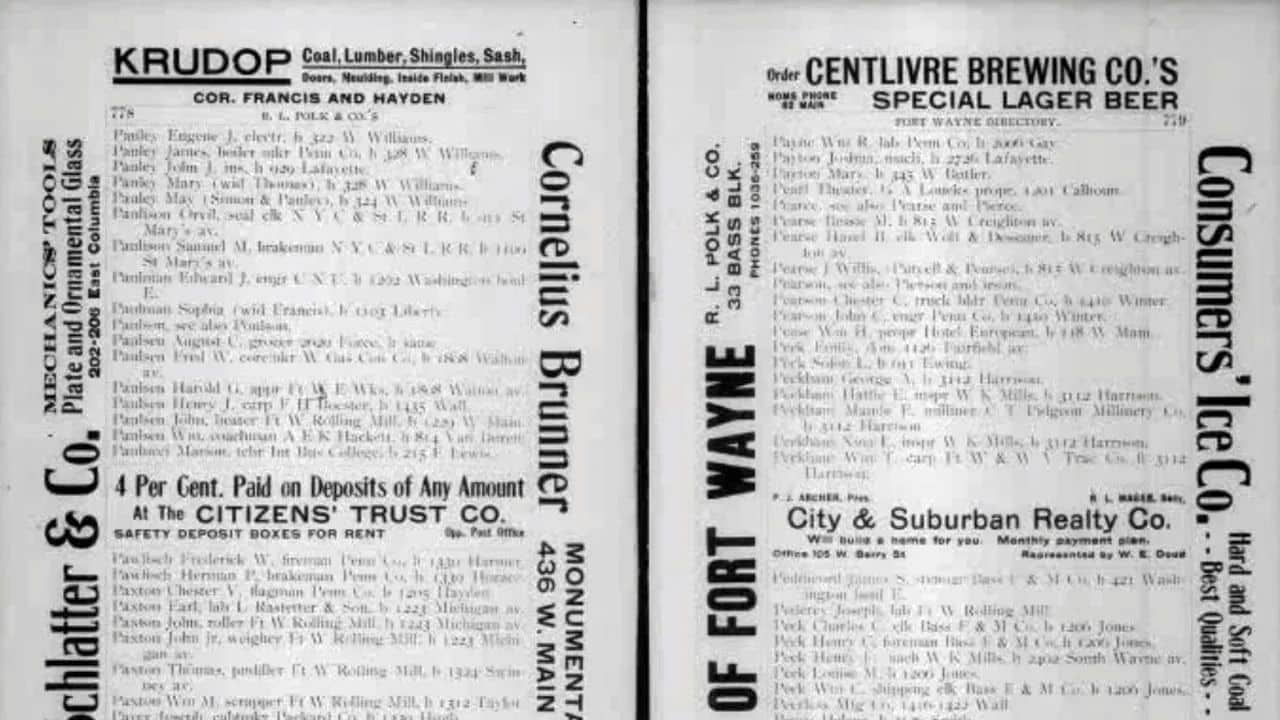
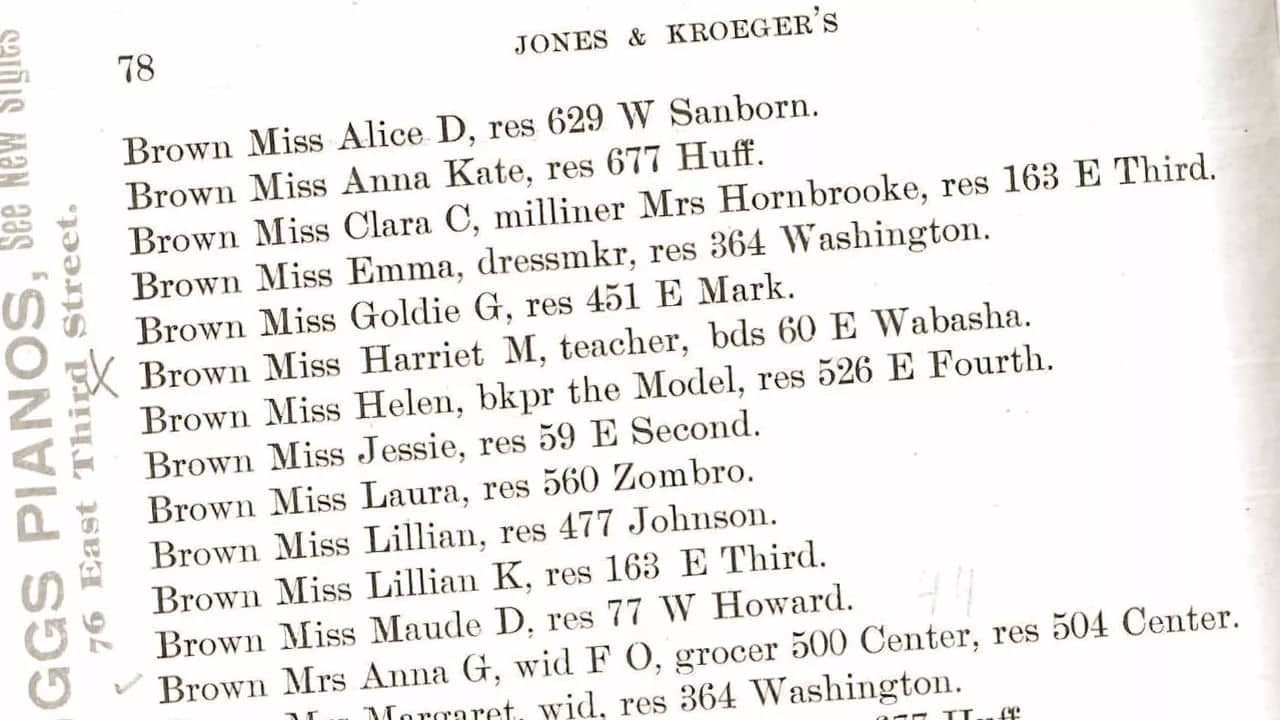
City directories are an integral tool in genealogical resources in locating individuals and businesses at specific time periods, and gleaning other details that may point you to other evidence. They can help you determine the date of arrival or departure, residence, occupation, and more. They are great substitutes for census records and for the in-between years. Introduction to City Directories tells you what you can find, places you can find them, and how to obtain the most information from them. You’ll also see images of many types of city directory pages so that you will know what they can tell you.
This webinar was first released on the Genealogy Guys Learn website.
City directories are an integral tool in genealogical resources in locating individuals and businesses at specific time periods, and gleaning other details that may point you to other evidence. They can help you determine the date of arrival or departure, residence, occupation, and more. They are great substitutes for census records and for the in-between years. Introduction to City Directories tells you what you can find, places you can find them, and how to obtain the most information from them. You’ll also see images of many types of city directory pages so that you will know what they can tell you.
This webinar was first released on the Genealogy Guys Learn website.
So, You Think You Know All About City Directories?
Most are thick books listing the heads of household with address and occupation; later the spouse and adult children appear. Add business listings and ads plus government agencies, relief agencies, civic and religious organizations, and other listings and you have a goldmine of information. Do you know how and when the material was collected? The differences in the early ones? How to use them for the history of businesses, owners, and other entities. What about the unique directories that serve as a census, tell of military service, where someone moved to, include fake names, and provide clues to vital records. The problems with some digitized directories, issues with the canvassing for listings, and the sales pushed that occurred will be covered. I’ll share the rewards of in-depth sleuthing about the directories, their compilation, some surprises, and obvious and hidden places to find them today.
A Deep Dive into U.S. City Directories at MyHeritage
U.S. City Directories are useful for finding a person’s residence at a given place and time, but we can glean many more facts from City Directories. Discover how to use MyHeritage’s U.S. City Directories collection to find not only residential information about your ancestors but much more. Learn how to use MyHeritage’s unique features and search capabilities.
Following up on his recent case study webinar, “How I Debunked an Online Tree Hint”, Geoff Rasmussen shows how a city directory put a final nail in that hint’s coffin (not sure how great that analogy is, but hopefully you get the point…) and provided new clues to continue his research.
City Directories: Much More than Ye Olde Phonebooks
Learn about the fascinating details which may be hiding in your ancestors' City Directories listings, such as addresses, names of neighbors, professions, and services provided. Advertisements from old City Directories will open the door to a wealth of information about how your ancestors lived.
City Directories: No Town Too Small, No Clue Too Little
Most genealogists aren’t taking full advantage of all the clues available in city directories. Learn how go beyond a mere “lookup” of your ancestor and their family. Understand how city directories were created, the secrets of various abbreviations, and how to use the F.A.N. Club approach to getting the most…
Land ownership maps in the US are generally focused on the county level. Produced largely in the nineteenth-century in single sheet or atlas format, they were sold by subscription and also developed to commemorate events such as the centennial of the American Revolution. Though advances in printing such as lithography…
In this webinar, Legacy’s Geoff Rasmussen will demonstrate what to do with a city directory as he adds the information to his real, personal Legacy family file. This class will be presented live and unscripted, giving attendees a first-hand look at how a professional genealogist analyzes and records information from…
Ten Years Is A Long Time – Census Substitutes for the In-Between Years (BONUS webinar for subscribers)
The federal census gives us wonderful clues for our research, but the ten years between each census is a long time. This presentation will discuss records that can be used to fill in the gap and add more points to your ancestor's timeline.
Browse the pages of various types of directories to discover where your ancestor worked, lived and played. City Directories are for more than family research. The details can help you date a photograph or plot your relative on a map.
Ancêtre militaire : de carrière ou appelé ? (XIXe-XXe siècles) – Explorer des parcours uniques
Tue, December 16 2025: 14:00 UTC
Les archives militaires sont une véritable mine d’or pour les recherches généalogiques et biographiques. Grâce à elles, chaque généalogiste peut redonner vie aux parcours de ses ancêtres, qu’ils aient été soldats de carrière ou appelés du service militaire. Si la numérisation massive des fiches matricules de la Première Guerre mondiale a largement facilité les recherches, elle ne doit pas occulter la richesse des autres périodes. Du XIXe au XXe siècle, chaque époque — en temps de paix comme en temps de guerre — offre des pistes passionnantes et complémentaires. Au Service historique de la Défense, aux Archives départementales, ou encore en ligne, les sources sont nombreuses. Il s’agit surtout de connaître les bonnes méthodes pour avancer avec succès. Ce webinaire vous guidera pas à pas pour découvrir, comprendre et exploiter pleinement ces ressources, afin de retracer des parcours militaires uniques et d’enrichir votre histoire familiale.
Incorporating social context in a Kinship-Determination Project isn’t just about weaving historical events and descriptions of daily life into a family narrative. Community and culture shape behavior and relationships. To understand and document our ancestors, we need to understand the society in which they lived. When we estimate a marriage date based the birth of a couple’s first child (or that the birth of a child implies a marriage), we base those assumptions on context. This lecture will explore social context and illustrate how to research and write about it within a Kinship-Determination Project.
Alcina Furkey’s birth name and her parents’ identities were unknown in 19C Vermont. Alcina had many forenames: Alcenia, Arsena, Christina, Elcena, Elena, Jane, Josephine, Julia, Lucy, and Reusta, and Rosanna. But none of them was her baptismal name. Reconstructing her birth family, together with a connection found in deeds and the clues in Catholic records, led to her real identity.
Learn how to use artificial intelligence to help find important family information, understand old documents, and craft compelling family stories to support your family history research. This webinar will introduce you to the best uses of AI in genealogy today and give a peek behind the curtain of what genealogists can look forward to from AI advancements in 2026.
La fotografía de un desconocido: ¿punto de partida para una genealogía?
Tue, January 13 2026: 14:00 UTC
En la actualidad, cuando casi cualquier cosa pasa por la IA, el descubrimiento de una fotografía hecha a finales del siglo XIX o principios del siglo XX, no solo nos traslada a otro momento de la historia en el que el contexto era totalmente diferente, sino que nos abre las posibilidades de estudio de una persona y de una familia. Pero, además, ¿qué nos aporta una fotografía de un desconocido? ¿cuánto podemos averiguar de él y de su entorno? Una fotografía es un documento de memoria colectiva y, como tal, aporta una fuente de información sobre estructura familiar, estilo de vida y valores sociales de la época.
By registering, you are submitting your information to Legacy Family Tree Webinars and agreeing to let us use it to contact you.
Thank you for registering!
You should receive a confirmation email with a link to the webinar soon.
You’ll also receive a reminder both the day before and one hour before the webinar begins. Didn’t receive a confirmation email?
You successfully registered for %s.
You should receive a confirmation email with a link to the webinar soon.
You’ll also receive a reminder both the day before and one hour before the webinar begins. Didn’t receive a confirmation email?