Watch Geoff Live: Adding a Marriage Record Using Legacy 10 (and a first look at the FAN Club report)
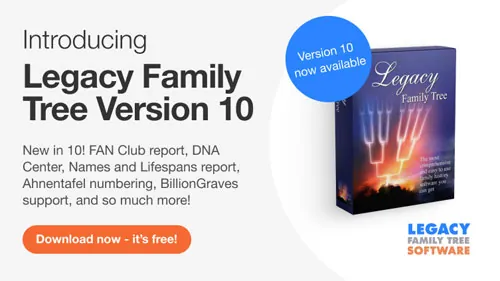
After all these years, Geoff has finally found the marriage record of his 4th great-grandparents. To celebrate, he’s inviting you to join him as he adds the new information to his personal Legacy 10 family file. In this live, unscripted, and unrehearsed webinar, you will learn the 7 steps of adding any online document to Legacy. And for the first time, you will get to see the new FAN Club report in action. You’ll be certain to pick up tips and tricks along the way.
After all these years, Geoff has finally found the marriage record of his 4th great-grandparents. To celebrate, he’s inviting you to join him as he adds the new information to his personal Legacy 10 family file. In this live, unscripted, and unrehearsed webinar, you will learn the 7 steps of adding any online document to Legacy. And for the first time, you will get to see the new FAN Club report in action. You’ll be certain to pick up tips and tricks along the way.
Legacy QuickTip: How to make a list of ancestors in Legacy from ___________?
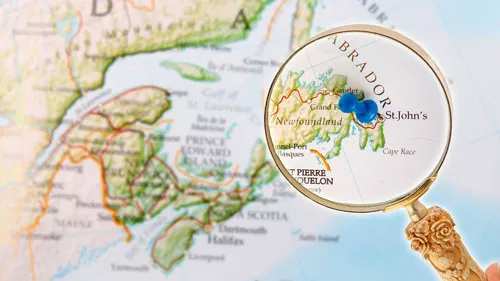
Join Legacy’s Geoff Rasmussen as he uses the Legacy Family Tree software to demonstrate how to create a list of ancestors who lived in a certain place.
Join Legacy’s Geoff Rasmussen as he uses the Legacy Family Tree software to demonstrate how to create a list of ancestors who lived in a certain place.
Watch Geoff Live: Adding a City Directory (among other things…)
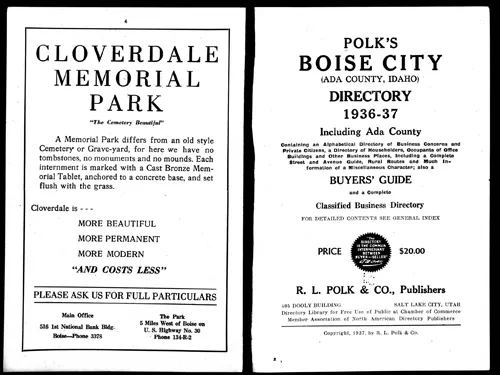
Geoff just discovered two incredible-to-him things about his great-grandfather – both from a city directory from MyHeritage’s new U.S. City Directories collection – and now he’s ready to add the new information to his personal tree in his Legacy Family Tree software. You’re invited to join Geoff as he does…
Geoff just discovered two incredible-to-him things about his great-grandfather – both from a city directory from MyHeritage’s new U.S. City Directories collection – and now he’s ready to add the new information to his personal tree in his Legacy Family Tree software. You’re invited to join Geoff as he does…
Legacy 9 Unlocked (part 9): Adding an Entry from an Online Database
In this class, “Adding an Entry from an Online Database,” you’ll learn the six steps of adding information from any online database to Legacy. You’ll also learn about the Find A Grave tool.
In this class, “Adding an Entry from an Online Database,” you’ll learn the six steps of adding information from any online database to Legacy. You’ll also learn about the Find A Grave tool.
Leyes de Indias: Leyes coloniales españolas y los registros que generaron
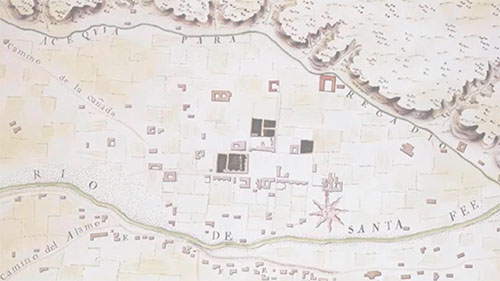
Desde la planificación urbanística hasta las relaciones con los nativos, «Las Leyes de Las Indias» gobernaron las colonias españolas de América del Norte y más allá, y crearon registros únicos para la investigación de cualquier persona con vínculos ancestrales con la América española.
Los subtítulos y la voz de este vídeo se han doblado al español utilizando IA.
Desde la planificación urbanística hasta las relaciones con los nativos, «Las Leyes de Las Indias» gobernaron las colonias españolas de América del Norte y más allá, y crearon registros únicos para la investigación de cualquier persona con vínculos ancestrales con la América española.
Los subtítulos y la voz de este vídeo se han doblado al español utilizando IA.
Breaking the 1870 Brick Wall: Comprehensive Strategies for Tracing Formerly Enslaved African American Ancestors
Fri, February 13 2026: 19:00 UTC
Overcoming the 1870 brick wall in African American genealogy is challenging, but possible. This session presents a clear, step-by-step roadmap for tracing formerly enslaved ancestors using the Genealogical Proof Method. Learn how to reconstruct the freedmen generation, identify potential enslavers, and mine enslaver records for hidden ancestral clues. We’ll explore records on Ancestry and FamilySearch, including census and vital records, Freedmen’s Bureau files, cohabitation records, and estate records. If you’re ready to move beyond 1870 and build a fuller picture of your family’s past, this webinar will equip you with the tools and confidence to begin.
Overcoming the 1870 brick wall in African American genealogy is challenging, but possible. This session presents a clear, step-by-step roadmap for tracing formerly enslaved ancestors using the Genealogical Proof Method. Learn how to reconstruct the freedmen generation, identify potential enslavers, and mine enslaver records for hidden ancestral clues. We’ll explore records on Ancestry and FamilySearch, including census and vital records, Freedmen’s Bureau files, cohabitation records, and estate records. If you’re ready to move beyond 1870 and build a fuller picture of your family’s past, this webinar will equip you with the tools and confidence to begin.
Si las lápidas pudieran hablar, tendrían muchas historias que contar. Pero no pueden, por eso BillionGraves es la mejor alternativa. BillionGraves es la mayor base de datos del mundo sobre cementerios, conectada a un sistema GPS. Cuando se toman fotos con la aplicación BillionGraves en el teléfono, cada lápida se marca automáticamente con una posición GPS. A continuación, los datos son transcritos por voluntarios, transferidos a planos de cementerios y almacenados en los sitios web BillionGraves, FamilySearch y MyHeritage para millones de familias de todo el mundo y para las generaciones futuras.
Los subtítulos y la voz de este vídeo se han doblado al español utilizando IA.
Si las lápidas pudieran hablar, tendrían muchas historias que contar. Pero no pueden, por eso BillionGraves es la mejor alternativa. BillionGraves es la mayor base de datos del mundo sobre cementerios, conectada a un sistema GPS. Cuando se toman fotos con la aplicación BillionGraves en el teléfono, cada lápida se marca automáticamente con una posición GPS. A continuación, los datos son transcritos por voluntarios, transferidos a planos de cementerios y almacenados en los sitios web BillionGraves, FamilySearch y MyHeritage para millones de familias de todo el mundo y para las generaciones futuras.
Los subtítulos y la voz de este vídeo se han doblado al español utilizando IA.
Lineage in Context: Creating a Compelling Kinship-Determination Project
Wed, February 18 2026: 1:00 UTC
Turn your research into a meaningful family narrative that meets BCG certification requirements. This session will demonstrate how to write a structured narrative lineage that both proves kinship and details the history of each couple. Topics include selecting an appropriate family line, placing families in context, organizing and analyzing evidence, meeting BCG’s standards, and documenting biographical details.
Turn your research into a meaningful family narrative that meets BCG certification requirements. This session will demonstrate how to write a structured narrative lineage that both proves kinship and details the history of each couple. Topics include selecting an appropriate family line, placing families in context, organizing and analyzing evidence, meeting BCG’s standards, and documenting biographical details.
DNA in Action 1 of 6: Proving Your Pedigree with DNA
Wed, February 18 2026: 19:00 UTC
The series begins with sound genealogy methodology and principles and then explains their logical extensions when using autosomal DNA as a source of information to answer focused research questions. Karen will use a case example to prove the documented ancestors are consistent with the genetic evidence on a selected ancestral line. This lecture focuses on methodology and decision-making.
The series begins with sound genealogy methodology and principles and then explains their logical extensions when using autosomal DNA as a source of information to answer focused research questions. Karen will use a case example to prove the documented ancestors are consistent with the genetic evidence on a selected ancestral line. This lecture focuses on methodology and decision-making.
Si les pierres tombales pouvaient parler, elles auraient beaucoup d’histoires à raconter. Mais elles ne le peuvent pas, c’est pourquoi BillionGraves est la meilleure alternative. BillionGraves est la plus grande base de données au monde sur les cimetières, reliée à un système GPS. Lorsque vous prenez des photos avec l’application BillionGraves sur votre téléphone, chaque pierre tombale est automatiquement marquée d’une position GPS. Les données sont ensuite transcrites par des bénévoles, reportées sur des plans de cimetières et conservées sur les sites web BillionGraves, FamilySearch et MyHeritage pour des millions de familles à travers le monde et pour les générations futures.
Les sous-titres et la voix de cette vidéo ont été doublés en français à l’aide de l’IA.
Si les pierres tombales pouvaient parler, elles auraient beaucoup d’histoires à raconter. Mais elles ne le peuvent pas, c’est pourquoi BillionGraves est la meilleure alternative. BillionGraves est la plus grande base de données au monde sur les cimetières, reliée à un système GPS. Lorsque vous prenez des photos avec l’application BillionGraves sur votre téléphone, chaque pierre tombale est automatiquement marquée d’une position GPS. Les données sont ensuite transcrites par des bénévoles, reportées sur des plans de cimetières et conservées sur les sites web BillionGraves, FamilySearch et MyHeritage pour des millions de familles à travers le monde et pour les générations futures.
Les sous-titres et la voix de cette vidéo ont été doublés en français à l’aide de l’IA.
By registering, you are submitting your information to Legacy Family Tree Webinars and agreeing to let us use it to contact you.
Thank you for registering!
You should receive a confirmation email with a link to the webinar soon.
You’ll also receive a reminder both the day before and one hour before the webinar begins. Didn’t receive a confirmation email?
You successfully registered for %s.
You should receive a confirmation email with a link to the webinar soon.
You’ll also receive a reminder both the day before and one hour before the webinar begins. Didn’t receive a confirmation email?