Jewish genealogical research in Germany differs significantly from researching protestants and Catholics due to the distinct legal, social, and religious status of Jews over the centuries, which shaped the types of records created and preserved. This presentation introduces the Top 8 Resources for Jewish Genealogy in Germany, offering a roadmap to the most essential repositories and tools for uncovering Jewish family history. We will examine Holocaust-era collections, including records not only of persecution and loss but also of those who fled Germany and rebuilt their lives abroad. More than a century before WWII, Napoleon waged war in Europe, which led to the emancipation of Europe’s Jews and also transformed record-keeping. Among the resources discussed will be vital registers, databases, local, regional, and international archives, as well as international Holocaust-related collections and Jewish cemeteries, which often preserve genealogical information that is unavailable elsewhere. By the end of the session, participants will understand both the opportunities and challenges of Jewish research in Germany and will be equipped with practical knowledge of where to begin and how to proceed.
10 Ways German Research Is Different from U.S. Research
Wed, June 3 2026: 15:30 UTC
1. The language. 2. The writing. 3. Surnames. 4. Given names. 5. Place names. 6. Dates. 7. Record types. 8. Sources. 9. Archives. 10. Events. (Emigration vs. Immigration)
German Surnames Unlocked: Meanings, Origins, and Clues
Wed, June 3 2026: 16:45 UTC
What can a German surname tell you? Quite a lot! In this webinar, you’ll learn how to analyze German surnames for clues to your ancestor’s origin, profession, or social status. We’ll explore naming patterns, regional variations, spelling changes, and hidden meanings to help break down brick walls and open new research avenues.
Cracking the Case with German Records You’ve Never Used Before
Wed, June 3 2026: 18:00 UTC
Learn about unknown German records by following the life of the German dairy farmer Friedrich Stange who came to America in 1855. Ursula will tell his story, present the records used, tell you how she overcame the brick walls, and finally found the reason why he and his family left their hometown in Prussia.
German Genealogy: Reconstructing Families Without Church Records
Wed, October 28 2026: 18:00 UTC
What do you do when church books are missing, damaged, or restricted? In this session, we’ll explore alternative sources that can help you reconstruct German families without parish records. You’ll learn how to use tax lists, land registers, local court files, mortgage books, emigration records, and village chronicles to piece together multi-generational family lines.
¿Cómo se deletrea tu Apellido? Historia y Particularidades de los Apellidos Españoles
Exploraremos la fascinante historia y las particularidades del sistema de apellidos en España y otros países hispanoparlantes. Descubriremos cómo la influencia visigoda, la adopción del sistema de doble apellido y las variaciones regionales han moldeado la identidad familiar a lo largo de los siglos. Aprenderemos a interpretar y comprender la información contenida en los apellidos, desentrañando su significado histórico y geográfico.
English DNA Matches: Tools for quickly building modern trees
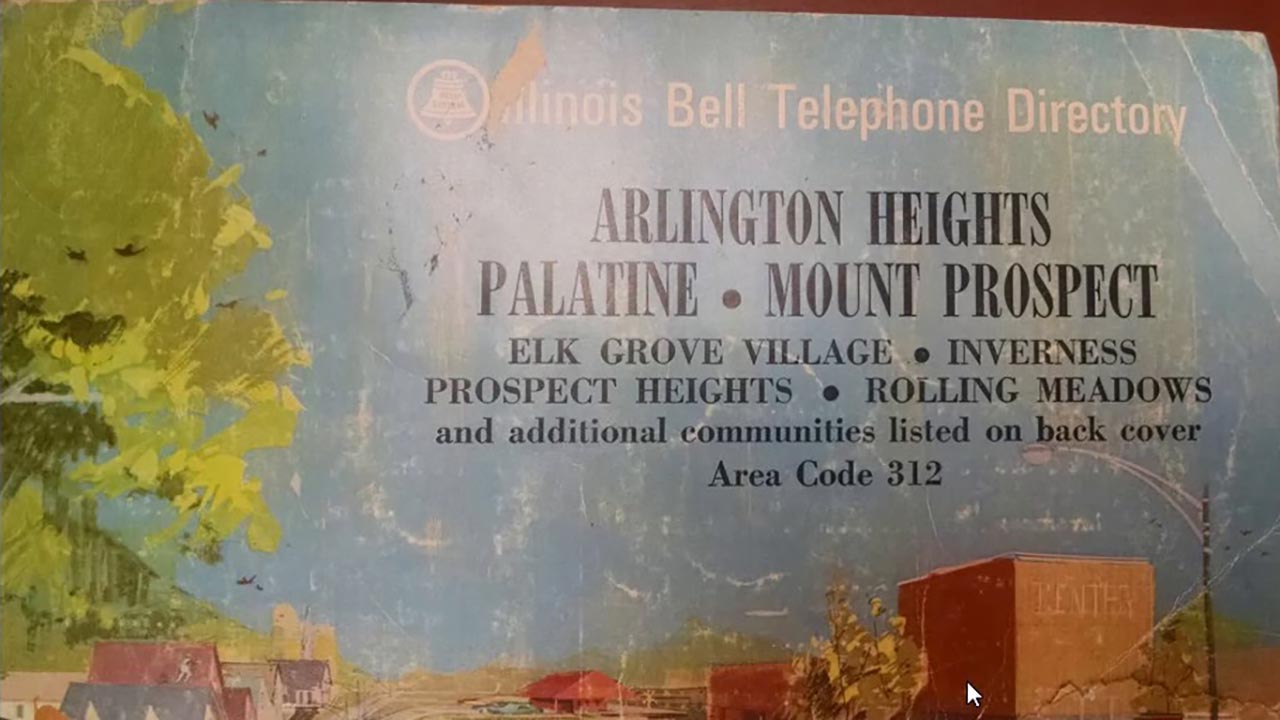
Many English DNA matches have rudimentary online trees. Learn about online resources for quickly and inexpensively extending the trees to find possible connections. Many North Americans have limited or no understanding of twentieth century online records that can be used to extend rudimentary or no online trees for their English DNA matches. There is a big need to be able to get the trees far enough back in time to possibly find the nearest common ancestors. This presentation will look at the different record groups explaining, with examples, how to use the different records together, and the time periods for which they are appropriate. Records discussed with illustrations and limitations include: – Civil Registration – Probate – Cemeteries / Crematoriums – Newspapers – Funeral notices – Voter registrations – Telephone directories – More
Construisez, enrichissez et partagez votre arbre sur Filae.com
Créer et importer des arbres sur Filae est gratuit. Ce webinaire vous montre comment enrichir votre généalogie en ajoutant individus, événements, notes et documents. Nous explorerons aussi les fonctionnalités comme la détection d’incohérences pour une généalogie fiable, les suggestions d’archives pour enrichir votre arbre de documents originaux, le suivi des recherches pour guider votre enquête, sans oublier les invitations pour partager le fruit de vos recherches avec vos proches.
University Archives in México: Manuscripts, Photos, and Theses, Oh my!
With original records and bibliographic resources, university archives are genealogical treasures. This presentation will include an introduction to common resources available at universities in Mexico, including original manuscripts, newspapers, historic photos, dissertations, etc., with examples from Universidad Autónoma de México, Colegio de Sonora, Universidad de Guadalajara, and many more.
Situated on the east coast of England, Norfolk is its fifth largest county and contains over 700 ancient parishes. Historically, it was a largely agricultural region, with some manufacturing in the county town of Norwich and significant seaports at King’s Lynn and Great Yarmouth. The resources available for tracing ancestors who lived in Norfolk are vast and varied. While many of the most useful records (such as parish registers) are available online, there remains a wealth of material that can only be accessed at the archives in Norwich and King’s Lynn. In this webinar, the lives of Norfolk ancestors will be placed in context and the sources of use to genealogists will be explained. The session will cover probate records, borough records, quarter sessions records, estate papers, maritime records, newspapers and other relevant resources. Some difficulties that can be encountered when investigating Norfolk ancestors will also be discussed, as well as methods of overcoming such challenges. Additionally, the printed and online publications of relevance to Norfolk research will be considered in detail.
Unlocking French Archives: a guide on how archives are organized and what you may find on MyHeritage
In this class, you’ll discover how French archives are organized and what types of records you can find when tracing your ancestry in France. We’ll walk you through the geography of archives and through various categories of archives, from civil registers and parish records to military and notarial documents. You’ll also learn which of these invaluable resources are available on MyHeritage, making it easier to uncover your French heritage. If you are starting discovering your French roots, this video will provide essential insights into navigating French archives efficiently and effectively.
Débloquer les archives françaises : guide sur l’organisation des archives et ce que vous pouvez trouver sur MyHeritage
Dans ce cours, vous découvrirez comment les archives françaises sont organisées et quels types de documents vous pouvez trouver lorsque vous recherchez vos ancêtres en France. Nous vous guiderons à travers la géographie des archives et les différentes catégories d’archives, des registres d’état civil et paroissiaux aux documents militaires et notariaux. Vous apprendrez également quelles sont les ressources inestimables …
Claves para localizar a nuestro primer antepasado de España
Si es difícil investigar en un país distinto al propio, puede resultar aún más complicado cuando disponemos de muy poca información. Dudas en el nombre y los apellidos, en la región y localidad de origen… datos que pueden haber sufrido mutaciones en el tiempo. A ello se suma una estructura de archivos propios de un país que modificado su estructura administrativa. Veamos unos consejos esenciales sobre cómo podemos iniciar nuestros primeros pasos. Filtrando posibles errores iniciales, conociendo la organización histórica de los territorios de España y cómo saber si se conservan los archivos esenciales. Localizar al primer antepasado nacido en España será un gran logro en nuestra genealogía.
By registering, you are submitting your information to Legacy Family Tree Webinars and agreeing to let us use it to contact you.
Thank you for registering!
You should receive a confirmation email with a link to the webinar soon.
You’ll also receive a reminder both the day before and one hour before the webinar begins. Didn’t receive a confirmation email?
You successfully registered for %s.
You should receive a confirmation email with a link to the webinar soon.
You’ll also receive a reminder both the day before and one hour before the webinar begins. Didn’t receive a confirmation email?