



If you have Eastern European ancestors, you are probably wondering how to begin your family history search. Come and learn about how MyHeritage can get you started in your family history challenge.
Tracing roots back to Eastern Europe often feels like an insurmountable task due to a complex history of shifting borders, varied languages, and evolving jurisdictions. In the webinar “Discovering your Eastern European Ancestors on MyHeritage,” expert genealogist James Tanner provides a roadmap for navigating these challenges. By leveraging the specialized tools available on MyHeritage—including massive record collections, AI-driven search capabilities, and a highly diverse DNA database—researchers can bridge the gap between their family’s arrival in a new country and their deep ancestral origins. This session offers a strategic approach to overcoming the linguistic and historical barriers that frequently stall Eastern European research.
The Power of DNA in a Global Network: MyHeritage possesses a uniquely high percentage of European DNA testers, making it an essential tool for identifying “invisible” ancestry. Matches can be sorted by country, often revealing unexpected connections to living relatives in Poland, Hungary, and Germany who may possess multi-generational charts and local family knowledge.
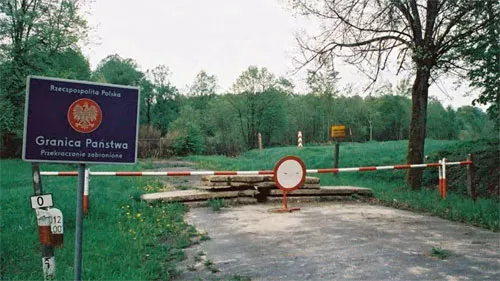
Navigating Border Fluctuations through History: Successful research in this region requires a deep dive into historical context, as a town that is in Romania today may have been under German or Hungarian jurisdiction when records were created. Using MyHeritage’s Collection Catalog to filter by modern country names helps orient researchers to which specific jurisdictional records they must examine.
Leveraging AI and Translation Tools: The platform’s advanced search engines automatically handle linguistic variations and diacritics, allowing a search for a name in English to scan records in over 40 different languages. This removes the “language barrier” that previously required expensive professional translation or specialized linguistic training.
For any genealogist feeling stuck at a brick wall in Eastern Europe, viewing the full webinar is an essential step toward discovery. The session provides visual walkthroughs of the MyHeritage Wiki, Knowledge Base, and the innovative full-text search features that are revolutionizing how we access historical documents. To further enhance this journey, genealogists are invited to explore the additional resources and detailed strategies included in the comprehensive four-page syllabus. This supplemental material acts as a vital guide for those ready to turn historical fragments into a complete family story.











 Facebook
 X
X
 Syllabus



Very informative and helpful. I’ve recognized the difficulties of research in Eastern Europe. Now I have great information on how to overcome some of the problems. Excellent and useful all the way.
Valuable information, very well explain. Thank you for time!
Great webinar! Learned a few things about MyHeritage that I did not know before. I also ordered a DNA test from MyHeritage and am looking forward to taking it! Thanks!
Good information
Excellent. Explained things about My Heritage that I was unable to find on my own.
Learned much!
Exceptional review of what MyHeritage has to offer for Eastern European research. Great time spent. Thank you
Great information and tips