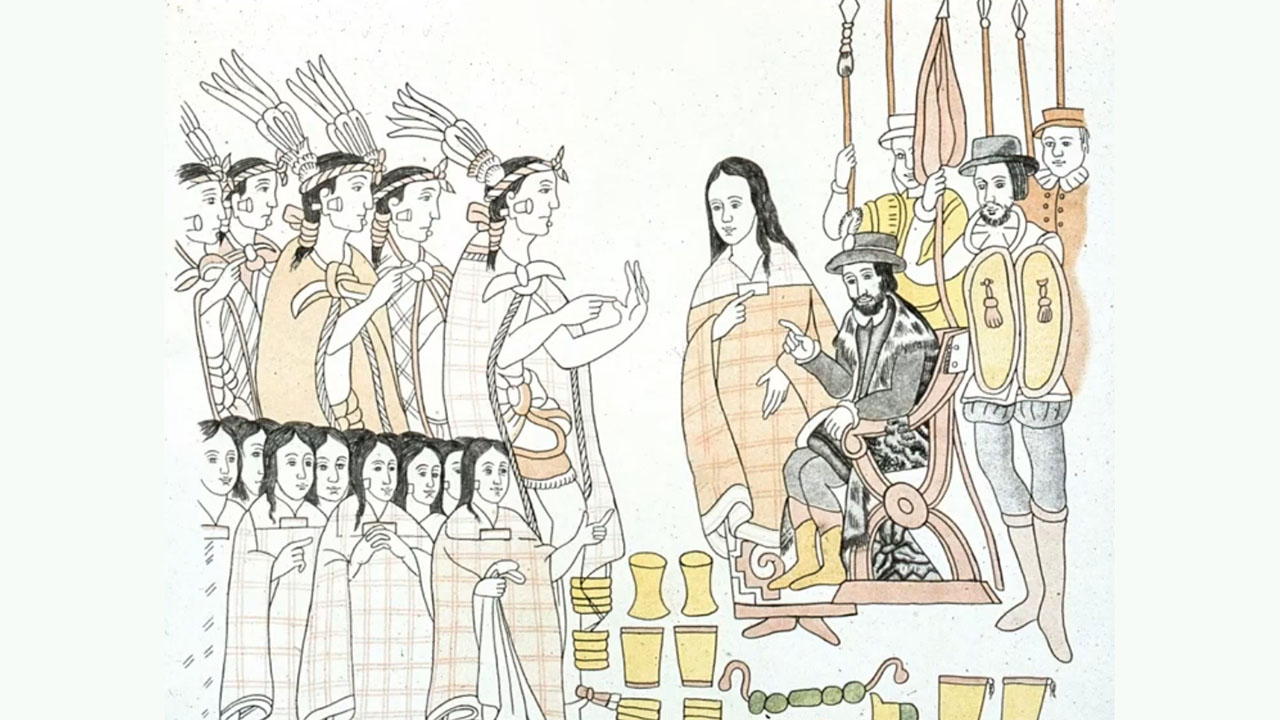
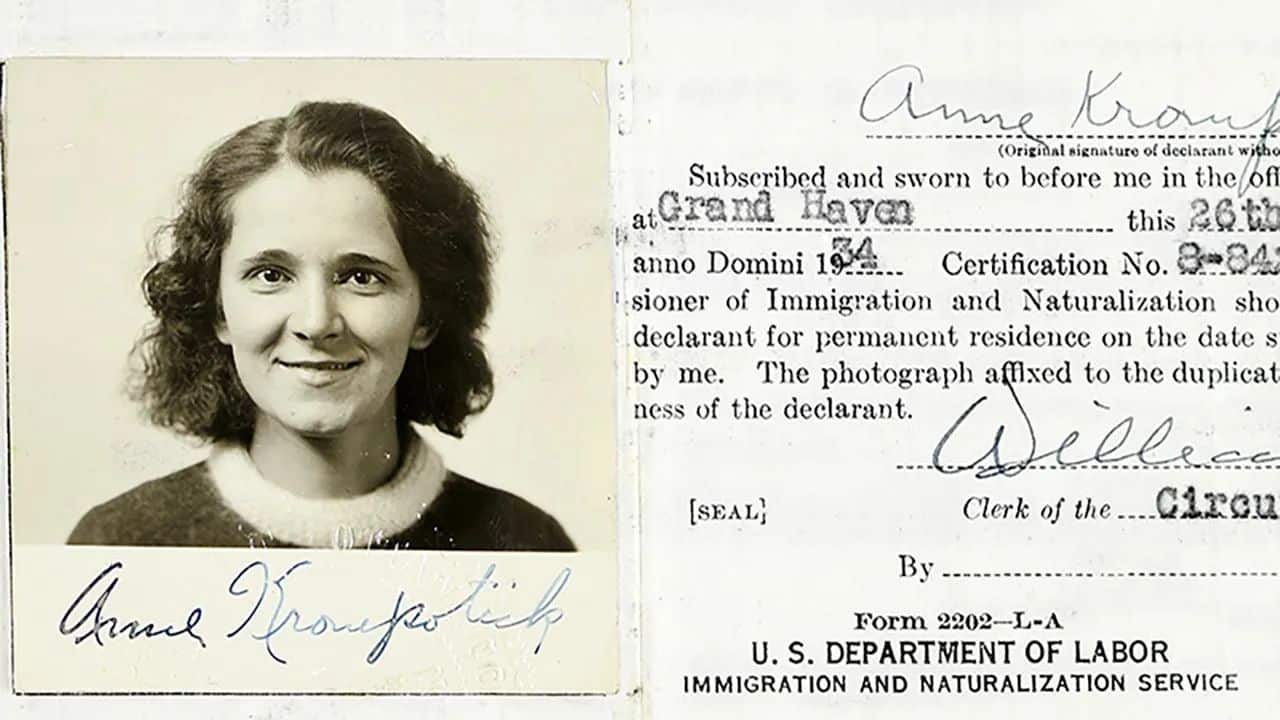
Incorporating social context in a Kinship-Determination Project isn’t just about weaving historical events and descriptions of daily life into a family narrative. Community and culture shape behavior and relationships. To understand and document our ancestors, we need to understand the society in which they lived. When we estimate a marriage date based the birth of a couple’s first child (or that the birth of a child implies a marriage), we base those assumptions on context. This lecture will explore social context and illustrate how to research and write about it within a Kinship-Determination Project.
Ancêtre militaire : de carrière ou appelé ? (XIXe-XXe siècles) – Explorer des parcours uniques
Les archives militaires sont une véritable mine d’or pour les recherches généalogiques et biographiques. Grâce à elles, chaque généalogiste peut redonner vie aux parcours de ses ancêtres, qu’ils aient été soldats de carrière ou appelés du service militaire. Si la numérisation massive des fiches matricules de la Première Guerre mondiale a largement facilité les recherches, elle ne doit pas occulter la richesse des autres périodes. Du XIXe au XXe siècle, chaque époque — en temps de paix comme en temps de guerre — offre des pistes passionnantes et complémentaires. Au Service historique de la Défense, aux Archives départementales, ou encore en ligne, les sources sont nombreuses. Il s’agit surtout de connaître les bonnes méthodes pour avancer avec succès. Ce webinaire vous guidera pas à pas pour découvrir, comprendre et exploiter pleinement ces ressources, afin de retracer des parcours militaires uniques et d’enrichir votre histoire familiale.
City directories are an integral tool in genealogical resources in locating individuals and businesses at specific time periods, and gleaning other details that may point you to other evidence. They can help you determine the date of arrival or departure, residence, occupation, and more. They are great substitutes for census records and for the in-between years. Introduction to City Directories tells you what you can find, places you can find them, and how to obtain the most information from them. You’ll also see images of many types of city directory pages so that you will know what they can tell you.
This webinar was first released on the Genealogy Guys Learn website.
City directories are an integral tool in genealogical resources in locating individuals and businesses at specific time periods, and gleaning other details that may point you to other evidence. They can help you determine the date of arrival or departure, residence, occupation, and more. They are great substitutes for census records and for the in-between years. Introduction to City Directories tells you what you can find, places you can find them, and how to obtain the most information from them. You’ll also see images of many types of city directory pages so that you will know what they can tell you.
This webinar was first released on the Genealogy Guys Learn website.
Scattered Leaves: Reconnecting family branches with DNA
When our families scattered across the globe, they often left close family behind. The family connections were lost over the subsequent generations. Now through family history research and DNA we are reconnecting with the branches of our family tree as shown in these case studies.
¿Cómo se deletrea tu Apellido? Historia y Particularidades de los Apellidos Españoles
Exploraremos la fascinante historia y las particularidades del sistema de apellidos en España y otros países hispanoparlantes. Descubriremos cómo la influencia visigoda, la adopción del sistema de doble apellido y las variaciones regionales han moldeado la identidad familiar a lo largo de los siglos. Aprenderemos a interpretar y comprender la información contenida en los apellidos, desentrañando su significado histórico y geográfico.
This database of the Commonwealth War Graves Commission (CWGC) contains WWI and WWII military burials world-wide. Not all burials in CWGC cemeteries are military. Burials include civilians, diplomats, medical personnel, and volunteer aid workers, including women. Most CWGC cemeteries have burials of the unknown as well as Monuments listing the Missing. Some military burials in civilian cemeteries are in this database. Photos of headstones and lists of missing in several CWGC cemeteries in Italy are included. Advises on best utilization of CWGC search engines with different approaches. Information on identification of unknown burials, research possibilities, and CWGC outreach programs are available on the website.
Gedcom files are useful for transferring family tree data but they aren’t easy to read or work with on their own. In this TechZone, we’ll explain how you can use AI to easily extract information from a gedcom file and create word documents or spreadsheet.
Unlocking the X-Factor: Key Tips for Using X-DNA in Your Research
X-chromosome DNA is often one of the hidden gems of the genetic genealogy world especially when used in conjunction with autosomal DNA. This webinar will present an overview of the unique inheritance patterns of X-DNA and set out how and why X-DNA matching differs from atDNA matching. Michelle will guide you through the advantages of utilizing X-chromosome data and demonstrate how to use it to effectively narrow down and identify connections with your DNA matches. She will also cover which companies provide access to X-DNA data, include an array of tips on how to set yourself up to succeed with X-DNA and provide genuine case study examples that show what can be achieved when you harness this powerful type of DNA.
By registering, you are submitting your information to Legacy Family Tree Webinars and agreeing to let us use it to contact you.
Thank you for registering!
You should receive a confirmation email with a link to the webinar soon.
You’ll also receive a reminder both the day before and one hour before the webinar begins. Didn’t receive a confirmation email?
You successfully registered for %s.
You should receive a confirmation email with a link to the webinar soon.
You’ll also receive a reminder both the day before and one hour before the webinar begins. Didn’t receive a confirmation email?