Researchers depend on the internet but often look at only a few sites. These 10 databases are not frequently visited but should be! (These are U.S.-based databases.)
We are so lucky to live at a time when we have a wealth of information at our fingertips. Previously Gena explored 50 websites you should know so now it’s time for 50 more! And these aren’t just the same old, same old websites. Let’s take our research around the…
“So many ancestors; so little time.” If you find yourself repeating this mantra, come learn about the best timesaving apps and tools to help you get a handle on those backed-up research or photo-scanning projects, society meetings and conferences, and never ending “to-do” lists! Session will include a broad review…
The majority of genealogists begin their research online and often become frustrated with the lack of results. The cause might not be a lack of records at the specific site but the manner in which you’re performing the search! While basic search techniques work on all the major genealogy sites…
The field of genealogy is constantly changing and evolving. Each day new techniques, resources, and tools are developed to assist in the quest for one’s ancestors. Learn technological developments (including gadgets and gizmos), newly discovered resources for genealogical research and more.
Top Technology Tips for MyHeritage Users & Introduction to Family Tree Webinars
Get expert tips on using search engines and computer features to enhance your genealogy research, and learn about FamilyTreeWebinars.com from Geoff Rasmussen.
Vous avez besoin d’une stratégie de recherche : Maximiser vos résultats avec des bases de données généalogiques en ligne
Les sous-titres et la voix de cette vidéo ont été doublés en français à l’aide de l’IA.
Au cours des 20 dernières années, les systèmes de recherche en ligne, les bases de données et les collections d’images ont révolutionné l’histoire familiale et la recherche généalogique, rendant notre travail plus rapide, plus facile et plus pratique. Cependant, ces bases de données ne sont pas sans limitations et particularités. Ce webinaire discutera de certaines limitations auxquelles nous faisons face et présentera des stratégies pour une efficacité accrue…
Les sous-titres et la voix de cette vidéo ont été doublés en français à l’aide de l’IA.
Au cours des 20 dernières années, les systèmes de recherche en ligne, les bases de données et les collections d’images ont révolutionné l’histoire familiale et la recherche généalogique, rendant notre travail plus rapide, plus facile et plus pratique. Cependant, ces bases de données ne sont pas sans limitations et particularités. Ce webinaire discutera de certaines limitations auxquelles nous faisons face et présentera des stratégies pour une efficacité accrue…
You Need a Search Strategy: Maximizing Your Results with Online Genealogical Databases
In the past 20 years, online search systems, databases, and image collections have revolutionized family history and genealogical research making our work faster, easier, and more convenient. However, these databases are not without limitations and quirks. This webinar will discuss some limitations we face and present strategies for more effective…
When Google and traditional search engines don't return useful information, don't stop there. We will explore resources that are invisible to Google and hidden deep within web sites and proprietary databases. The hidden web lies buried within the collections for commercial web sites, libraries, archives, and museums. We will also…
Web site addresses appear to be long, complicated, and mysterious. Navigating through the web leads you from link to link, web page to web page, site to site, and server to server all in a matter of a few clicks. How can you sort out separate web sites? How…
Remember Me: Lifestreaming and the Modern Genealogist
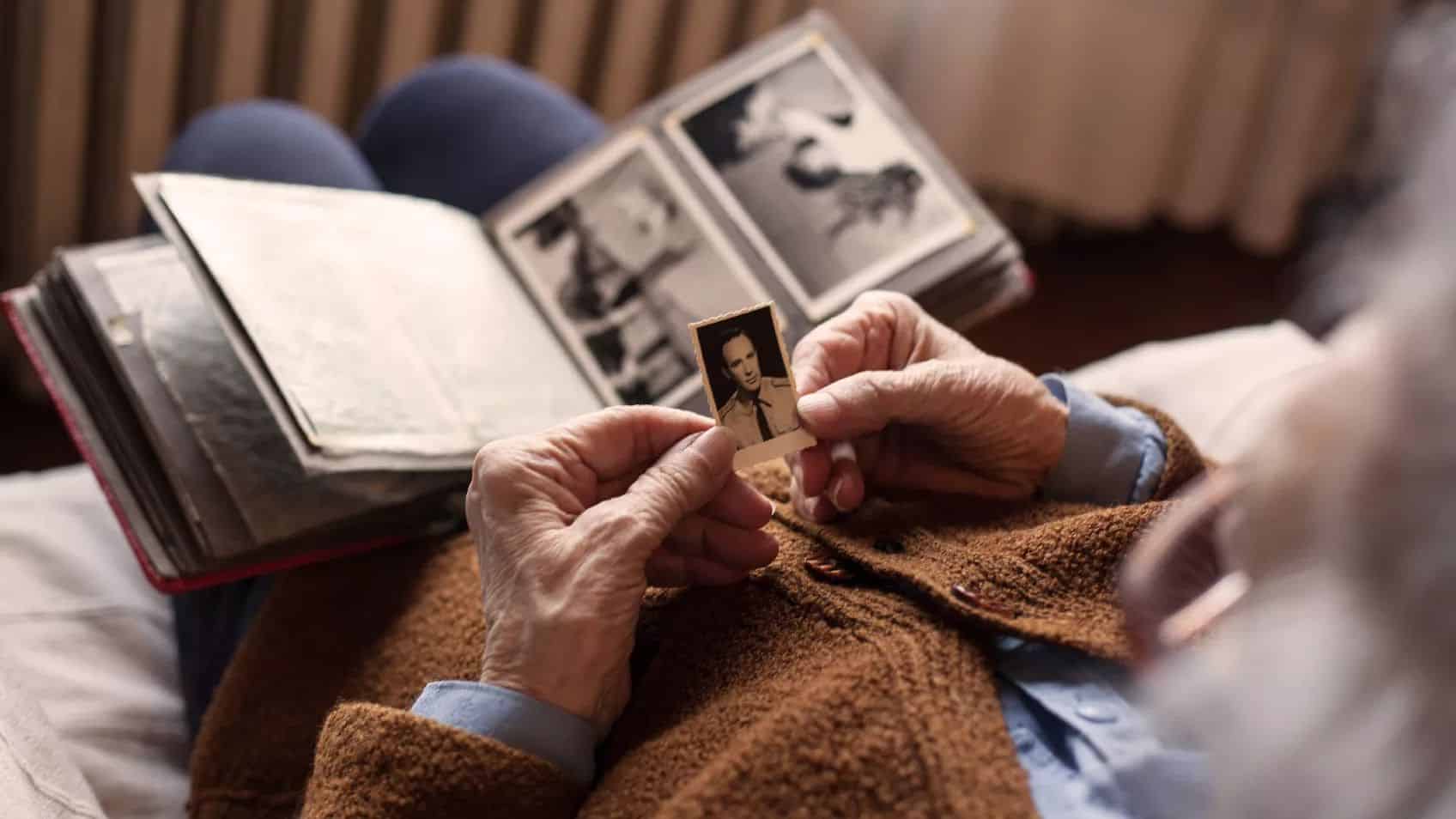
The old phrase “The cobbler’s children always have the worse shoes,” rings true for genealogists when it comes to documenting our own lives. With a constant emphasis on preserving the memories of our ancestors, are we “walking the walk” when it comes to our own lives? There has never been…
Scattered Leaves: Reconnecting family branches with DNA
Thu, December 11 2025: 1:00 UTC
When our families scattered across the globe, they often left close family behind. The family connections were lost over the subsequent generations. Now through family history research and DNA we are reconnecting with the branches of our family tree as shown in these case studies.
Ancêtre militaire : de carrière ou appelé ? (XIXe-XXe siècles) – Explorer des parcours uniques
Tue, December 16 2025: 14:00 UTC
Les archives militaires sont une véritable mine d’or pour les recherches généalogiques et biographiques. Grâce à elles, chaque généalogiste peut redonner vie aux parcours de ses ancêtres, qu’ils aient été soldats de carrière ou appelés du service militaire. Si la numérisation massive des fiches matricules de la Première Guerre mondiale a largement facilité les recherches, elle ne doit pas occulter la richesse des autres périodes. Du XIXe au XXe siècle, chaque époque — en temps de paix comme en temps de guerre — offre des pistes passionnantes et complémentaires. Au Service historique de la Défense, aux Archives départementales, ou encore en ligne, les sources sont nombreuses. Il s’agit surtout de connaître les bonnes méthodes pour avancer avec succès. Ce webinaire vous guidera pas à pas pour découvrir, comprendre et exploiter pleinement ces ressources, afin de retracer des parcours militaires uniques et d’enrichir votre histoire familiale.
Incorporating social context in a Kinship-Determination Project isn’t just about weaving historical events and descriptions of daily life into a family narrative. Community and culture shape behavior and relationships. To understand and document our ancestors, we need to understand the society in which they lived. When we estimate a marriage date based the birth of a couple’s first child (or that the birth of a child implies a marriage), we base those assumptions on context. This lecture will explore social context and illustrate how to research and write about it within a Kinship-Determination Project.
Alcina Furkey’s birth name and her parents’ identities were unknown in 19C Vermont. Alcina had many forenames: Alcenia, Arsena, Christina, Elcena, Elena, Jane, Josephine, Julia, Lucy, and Reusta, and Rosanna. But none of them was her baptismal name. Reconstructing her birth family, together with a connection found in deeds and the clues in Catholic records, led to her real identity.
Learn how to use artificial intelligence to help find important family information, understand old documents, and craft compelling family stories to support your family history research. This webinar will introduce you to the best uses of AI in genealogy today and give a peek behind the curtain of what genealogists can look forward to from AI advancements in 2026.
By registering, you are submitting your information to Legacy Family Tree Webinars and agreeing to let us use it to contact you.
Thank you for registering!
You should receive a confirmation email with a link to the webinar soon.
You’ll also receive a reminder both the day before and one hour before the webinar begins. Didn’t receive a confirmation email?
You successfully registered for %s.
You should receive a confirmation email with a link to the webinar soon.
You’ll also receive a reminder both the day before and one hour before the webinar begins. Didn’t receive a confirmation email?