5
of
176 Upcoming Live Webinars
for
“german” Clear search Clear search
Wed, May 6 2026: 15:30 UTC
Top 8 Resources for Jewish Genealogy in Germany
Wed, May 6 2026: 15:30 UTC
Jewish genealogical research in Germany differs significantly from researching protestants and Catholics due to the distinct legal, social, and religious status of Jews over the centuries, which shaped the types of records created and preserved. This presentation introduces the Top 8 Resources for Jewish Genealogy in Germany, offering a roadmap to the most essential repositories and tools for uncovering Jewish family history. We will examine Holocaust-era collections, including records not only of persecution and loss but also of those who fled Germany and rebuilt their lives abroad. More than a century before WWII, Napoleon waged war in Europe, which led to the emancipation of Europe’s Jews and also transformed record-keeping. Among the resources discussed will be vital registers, databases, local, regional, and international archives, as well as international Holocaust-related collections and Jewish cemeteries, which often preserve genealogical information that is unavailable elsewhere. By the end of the session, participants will understand both the opportunities and challenges of Jewish research in Germany and will be equipped with practical knowledge of where to begin and how to proceed.
Sabine Akabayov
Jewish genealogical research in Germany differs significantly from researching protestants and Catholics due to the distinct legal, social, and religious status of Jews over the centuries, which shaped the types of records created and preserved. This presentation introduces the Top 8 Resources for Jewish Genealogy in Germany, offering a roadmap to the most essential repositories and tools for uncovering Jewish family history. We will examine Holocaust-era collections, including records not only of persecution and loss but also of those who fled Germany and rebuilt their lives abroad. More than a century before WWII, Napoleon waged war in Europe, which led to the emancipation of Europe’s Jews and also transformed record-keeping. Among the resources discussed will be vital registers, databases, local, regional, and international archives, as well as international Holocaust-related collections and Jewish cemeteries, which often preserve genealogical information that is unavailable elsewhere. By the end of the session, participants will understand both the opportunities and challenges of Jewish research in Germany and will be equipped with practical knowledge of where to begin and how to proceed.
Wed, May 6 2026: 15:30 UTC
Wed, June 3 2026: 15:30 UTC
10 Ways German Research Is Different from U.S. Research
Wed, June 3 2026: 15:30 UTC
1. The language. 2. The writing. 3. Surnames. 4. Given names. 5. Place names. 6. Dates. 7. Record types. 8. Sources. 9. Archives. 10. Events. (Emigration vs. Immigration)
Wed, June 3 2026: 15:30 UTC
Wed, June 3 2026: 16:45 UTC
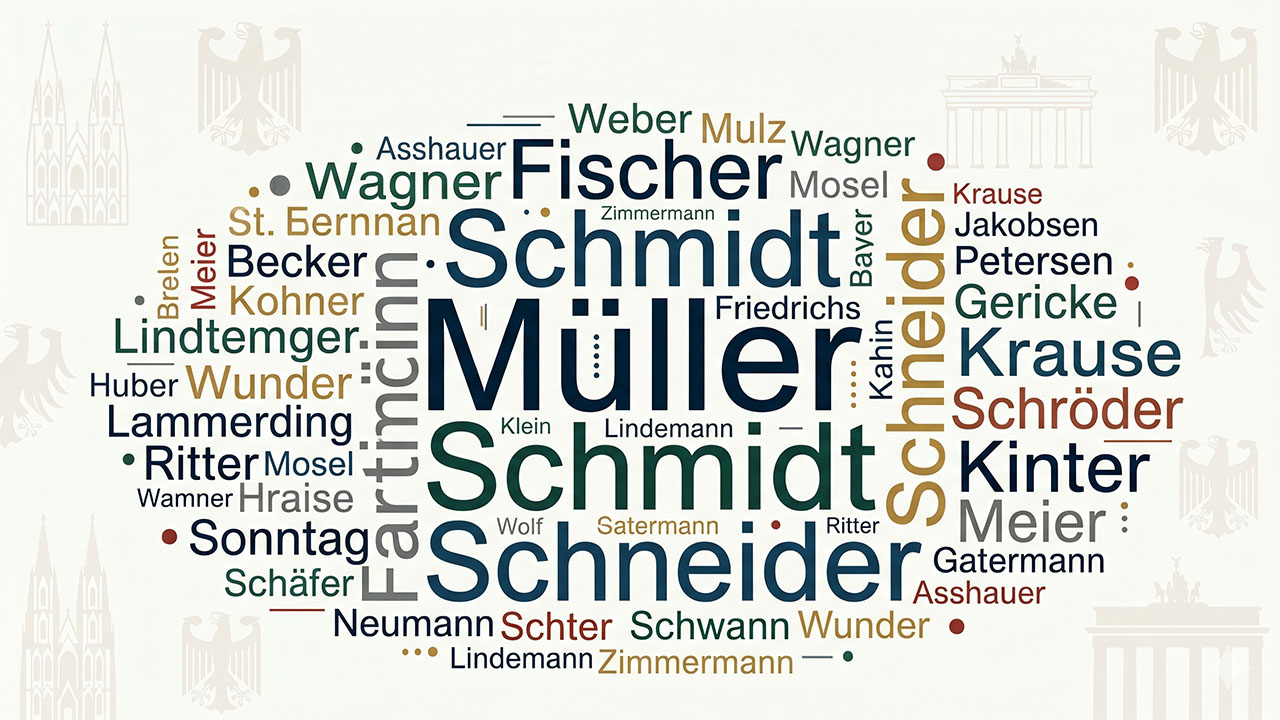
German Surnames Unlocked: Meanings, Origins, and Clues
Wed, June 3 2026: 16:45 UTC
What can a German surname tell you? Quite a lot! In this webinar, you’ll learn how to analyze German surnames for clues to your ancestor’s origin, profession, or social status. We’ll explore naming patterns, regional variations, spelling changes, and hidden meanings to help break down brick walls and open new research avenues.
Wed, June 3 2026: 16:45 UTC
Wed, June 3 2026: 18:00 UTC
Cracking the Case with German Records You’ve Never Used Before
Wed, June 3 2026: 18:00 UTC
Learn about unknown German records by following the life of the German dairy farmer Friedrich Stange who came to America in 1855. Ursula will tell his story, present the records used, tell you how she overcame the brick walls, and finally found the reason why he and his family left their hometown in Prussia.
Wed, June 3 2026: 18:00 UTC
Wed, October 28 2026: 18:00 UTC
German Genealogy: Reconstructing Families Without Church Records
Wed, October 28 2026: 18:00 UTC
What do you do when church books are missing, damaged, or restricted? In this session, we’ll explore alternative sources that can help you reconstruct German families without parish records. You’ll learn how to use tax lists, land registers, local court files, mortgage books, emigration records, and village chronicles to piece together multi-generational family lines.
Wed, October 28 2026: 18:00 UTC

Featured Webinars

View all (2,616)
Advanced
59:52
1.1K views
Free
AI as Partner, Not Replacement: Human-Led Research Planning in the Sally Keaton Case
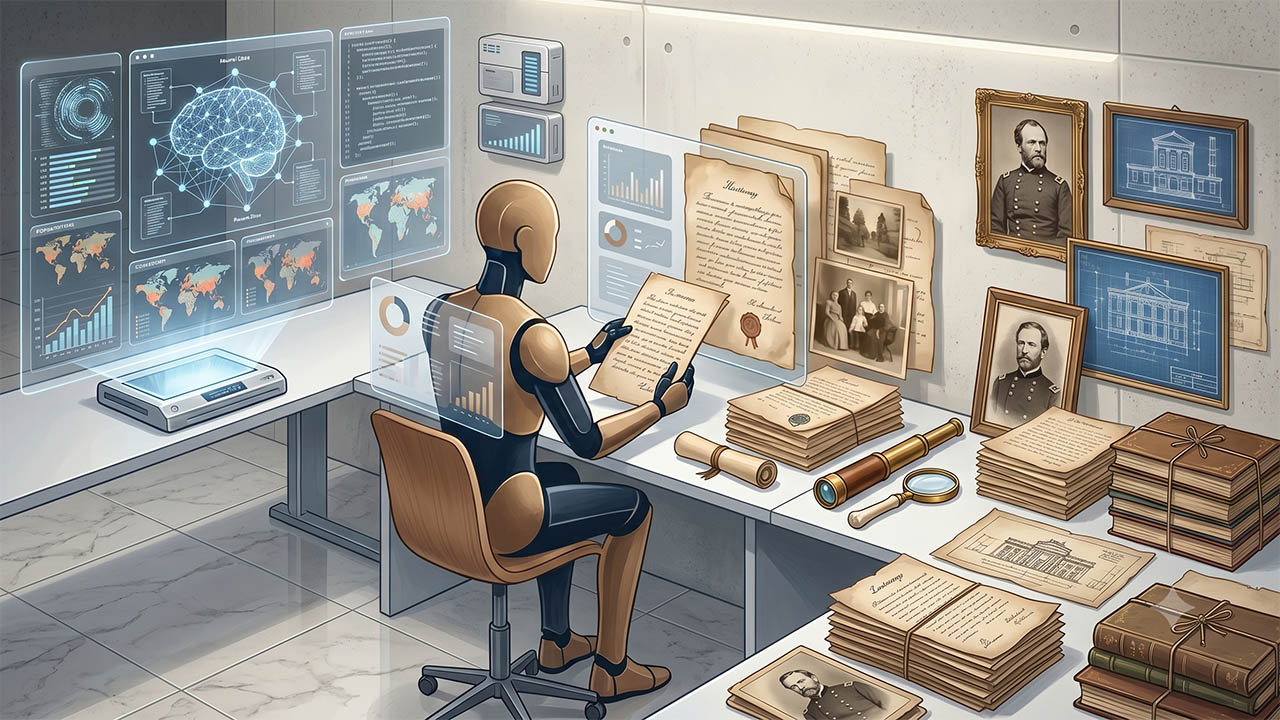
This lecture explores how modern AI tools can assist genealogical research planning through the case of Sally Keaton, where the objective was to identify her children using limited historical records and DNA evidence. The presentation demonstrates how to structure effective research plans with AI assistance, covering essential elements including clear objectives, summaries of known facts, working hypotheses, identified sources, and prioritized strategies. Using Sally Keaton’s case as the central example, the lecture showcases practical AI tools, such as side-by-side editors: Canvas (ChatGPT and Gemini) and Artifacts (Claude); also advanced capabilities including reasoning models and organizational tools like ChatGPT’s Projects, Claude’s Projects, Perplexity’s Spaces, and Gemini Gems. While AI can create research plans on its own, human-AI collaboration produces better results. When researchers guide and refine AI-generated strategies instead of using fully automated planning, they achieve more accurate results.
Wed, January 7 2026: 17:45 UTC
58:07
1.5K views
Free
Genealogy Meets the Internet Archive and AI: A Comprehensive Review
Learn to harness the Internet Archive’s free digital library—a treasure trove of digitized family histories, city directories, census and church records—to enrich your genealogy research. Learn how to build complex prompts to build an index of surnames on a 400 page genealogy book from 1898. Learn how to extract a list of migration routes from the same book, organized by surname, then in generation order, and placed in an Excel file. With the help of AI, you can get the most out of Internet Archive.
Wed, January 7 2026: 16:30 UTC
11:26
102 views
CC
Genealogy in Your Pocket: 5 Simple iPhone Tricks for Family History
Family history can happen when you least expect it: having coffee with your cousin, passing a commemorative plaque, or on the road. Here are 5 simple iPhone tricks to make sure you never miss an opportunity to break a brick wall.
Fri, January 2 2026: 12:00 UTC
Advanced
1:44:06
1.8K views
CC
The Best Uses of AI for Genealogists
Learn how to use artificial intelligence to help find important family information, understand old documents, and craft compelling family stories to support your family history research. This webinar will introduce you to the best uses of AI in genealogy today and give a peek behind the curtain of what genealogists can look forward to from AI advancements in 2026.
Fri, December 19 2025: 19:00 UTC
1:04:38
A Dozen Names for Alcina: An Identity Case Study
Alcina Furkey’s birth name and her parents’ identities were unknown in 19C Vermont. Alcina had many forenames: Alcenia, Arsena, Christina, Elcena, Elena, Jane, Josephine, Julia, Lucy, and Reusta, and Rosanna. But none of them was her baptismal name. Reconstructing her birth family, together with a connection found in deeds and the clues in Catholic records, led to her real identity.
Wed, December 17 2025: 19:00 UTC
57:38
690 views
CC
Social Context and the KDP
Incorporating social context in a Kinship-Determination Project isn’t just about weaving historical events and descriptions of daily life into a family narrative. Community and culture shape behavior and relationships. To understand and document our ancestors, we need to understand the society in which they lived. When we estimate a marriage date based the birth of a couple’s first child (or that the birth of a child implies a marriage), we base those assumptions on context. This lecture will explore social context and illustrate how to research and write about it within a Kinship-Determination Project.
Wed, December 17 2025: 1:00 UTC
1:04:40
133 views
French
Ancêtre militaire : de carrière ou appelé ? (XIXe-XXe siècles) – Explorer des parcours uniques
Les archives militaires sont une véritable mine d’or pour les recherches généalogiques et biographiques. Grâce à elles, chaque généalogiste peut redonner vie aux parcours de ses ancêtres, qu’ils aient été soldats de carrière ou appelés du service militaire. Si la numérisation massive des fiches matricules de la Première Guerre mondiale a largement facilité les recherches, elle ne doit pas occulter la richesse des autres périodes. Du XIXe au XXe siècle, chaque époque — en temps de paix comme en temps de guerre — offre des pistes passionnantes et complémentaires. Au Service historique de la Défense, aux Archives départementales, ou encore en ligne, les sources sont nombreuses. Il s’agit surtout de connaître les bonnes méthodes pour avancer avec succès. Ce webinaire vous guidera pas à pas pour découvrir, comprendre et exploiter pleinement ces ressources, afin de retracer des parcours militaires uniques et d’enrichir votre histoire familiale.
Tue, December 16 2025: 14:00 UTC
1:20:49
529 views
CC
The Business of Enslavers: Acquiring Human Inventory
Investigate the methods and documentation in which enslavers acquired their commodities of African descent to enter the economic system of slavery.
LaDonna Garner
Investigate the methods and documentation in which enslavers acquired their commodities of African descent to enter the economic system of slavery.
Fri, December 12 2025: 19:00 UTC
59:53
230 views
CC
Introduction to U.S. City Directories
City directories are an integral tool in genealogical resources in locating individuals and businesses at specific time periods, and gleaning other details that may point you to other evidence. They can help you determine the date of arrival or departure, residence, occupation, and more. They are great substitutes for census records and for the in-between years. Introduction to City Directories tells you what you can find, places you can find them, and how to obtain the most information from them. You’ll also see images of many types of city directory pages so that you will know what they can tell you. This webinar was first released on the Genealogy Guys Learn website.
Thu, December 11 2025: 12:00 UTC