Filters
0 webinars selected
Select all
Cancel

Historical Records

Watch webinars that focus on specific record categories including adoption, vital records, cemetery records, census records, city directories, immigration records, newspapers and more for locations around the world.

11
of
2,632 Webinars Clear filters
Sort by
Sort by
1:00:52
431 views
CC
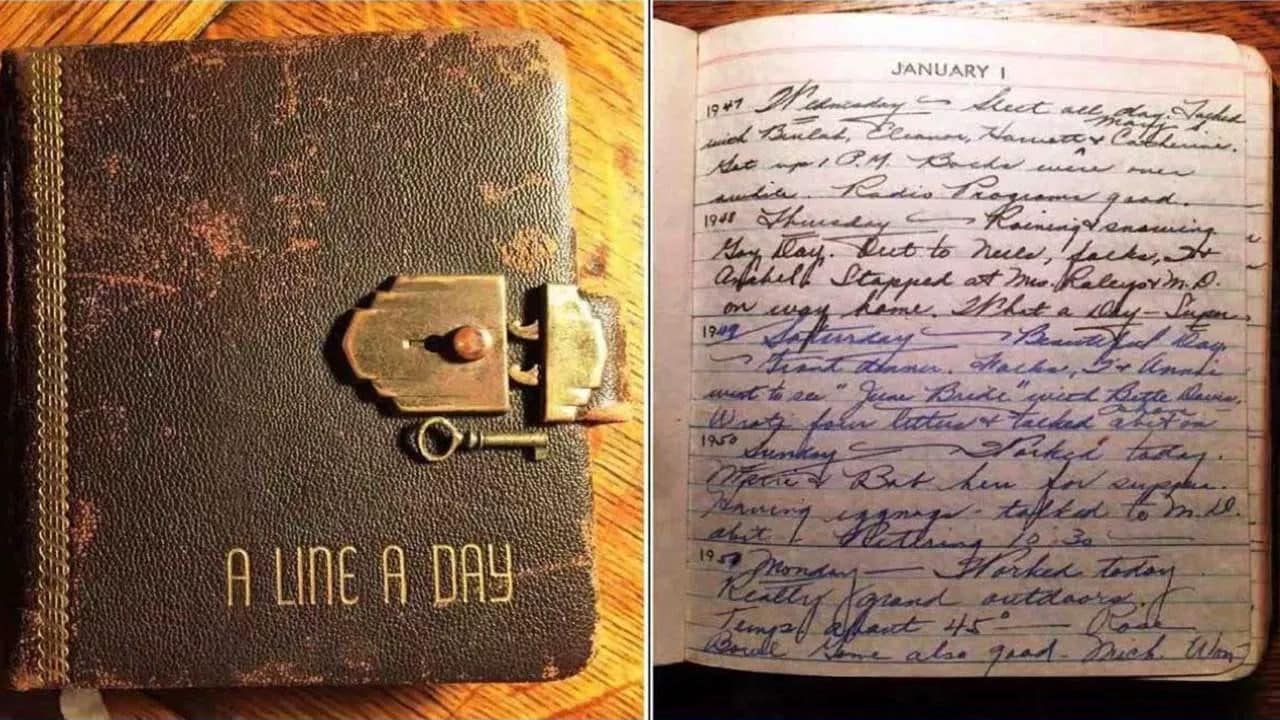
Diaries, Journals and Calendars: Preserving and Document Your Ancestor’s Day-to-Day Life
Many of our ancestors recorded their day-to-day lives in diaries, journals and calendars. Learn how to extract all the wonderful genealogical and historical information contained these sources and also how to physically preserve them for the next generation.
Fri, September 10 2021: 0:00 UTC
1:00:39
Superb Seven: Fabulous Avenues for Finding Family in Manuscript Collections
We have at least seven easily accessible finding aids to locate old family letters, photos, business records, church records, diaries, and other records the we don’t know still exist. These items could be in a repository anywhere and luckily we have this Superb Seven that will help us locate them.
Fri, April 9 2021: 0:00 UTC
1:16:55
4.4K views
CC
5 Ways to find your Family in Southern Manuscript Collections
Early pioneers and settlers were a diverse group with family members across the country. Records about the families which moved and those individuals and neighbors back home are also often elusive, but may hold hidden treasure for the persistent researcher. Thousands of wonderful stories and records are preserved in the…
Wed, September 30 2020: 0:00 UTC
59:12
1.1K views
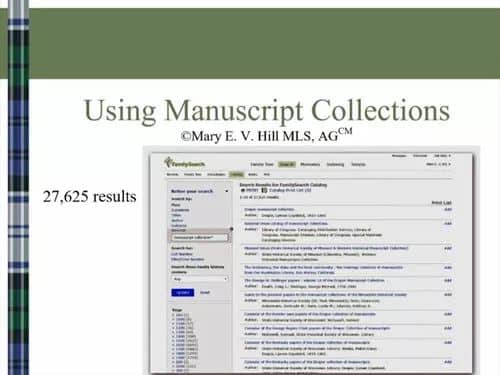
Using Manuscript Collections
Manuscript collections may contain original documents such as Bible records, unrecorded deeds, and correspondence with individuals who knew family information not available from any other source. Learn where to find these collections, and how to use them.
Mon, July 31 2017: 0:00 UTC
1:08:37
587 views
Scrap Paper and Orphan Documents in Archives
Many of our archives have scrap paper and orphan documents that are discovered on a daily basis that don't belong to any particular records collection. In this webinar find out what archives do with these records and how you as a genealogists can discover these pieces of scrap paper and…
Wed, July 5 2017: 0:00 UTC
57:02
2.4K views
Bringing Life to Our Ancestors: Manuscript Collections
Learn how to locate and how to use manuscript collections. Case studies show how these underutilized collections can bring an ancestor to life.
Fri, October 7 2016: 0:00 UTC
53:52
2.6K views
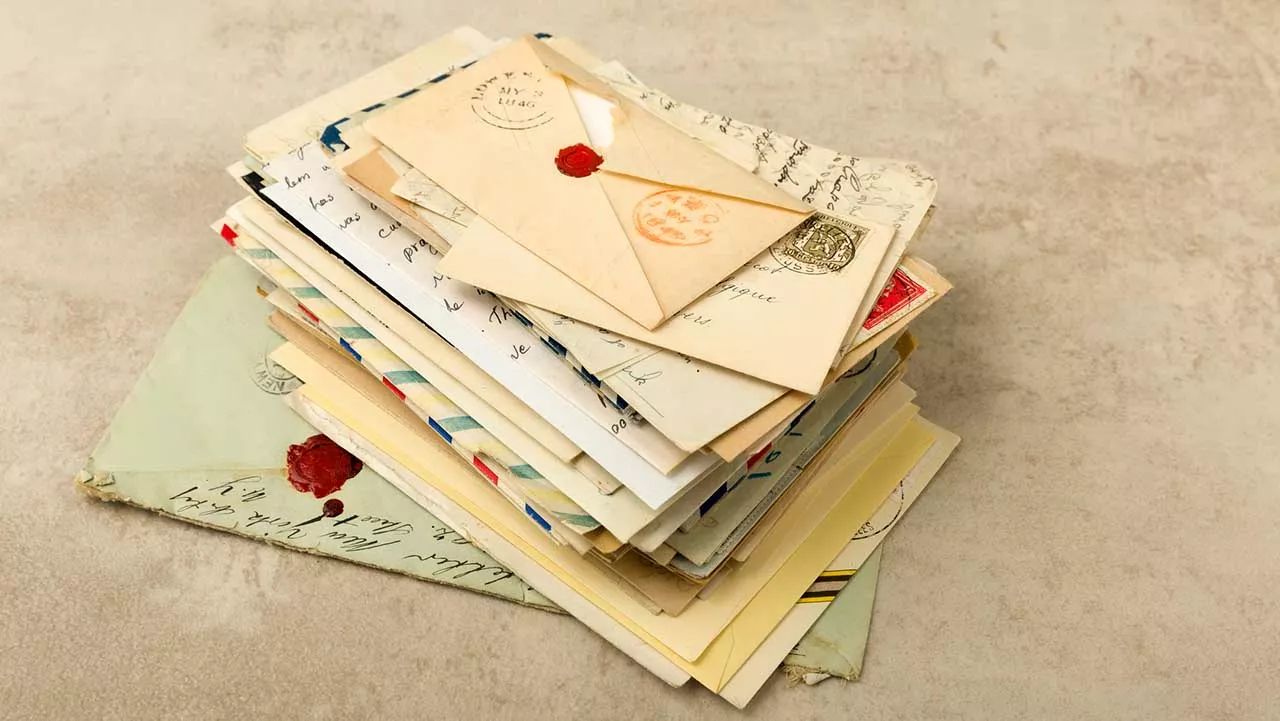
Preserving Old Family Letters: Tips from an Archivist
Old family letters are a true treasure for any genealogist. This webinar will show you how to preserve and archive them so that they will last for generations to come. You will learn archival techniques and tips from a certified archivist to preserve your family letters.
Mon, July 4 2016: 0:00 UTC
52:35
1.2K views
Scrapbooks: A Genealogist's Gold Mine
Scrapbooks come in different sizes, shapes and types. Researching in them is like traveling back through time or opening a time capsule. This webinar will highlight the benefits of accessing and researching in scrapbooks for your ancestors. There will also be tips about preserving scrapbooks that you own.
Mon, July 4 2016: 0:00 UTC
1:05:50
Diamonds in the Rough: Finding and Using Manuscript Collections
Unique, unpublished materials can be valuable resources for solving those pesky genealogical problems and adding insight and flavor to our family histories. Research is not complete without looking through unusual and one-of-a-kind materials that may be available for the time and place our ancestors lived. Diaries, letters, journals, scrapbooks, and…
Tue, July 21 2015: 0:00 UTC
Advanced
1:28:11
4.9K views
Tracking Migration Using the Draper Manuscripts
Learn about the manuscript collection of Lyman Draper which include gleanings from the Carolinas, Virginia, portions of Georgia, Alabama, the Ohio River valley, and parts of the Mississippi valley from about 1755 through 1870. Find out how to approach searching this vast collection and the hidden treasures that can be…
Wed, October 22 2014: 0:00 UTC
1:14:52
3.6K views
Success with Manuscript Sources
Genealogists love manuscript sources because they are often primary sources. Because of this interest many genealogical, historical, patriotic, and lineage societies seek out and publish manuscript sources. Typically, these sources are also found in archives, libraries, and private collections. Today's Internet makes many important finding aids for manuscript collections available…
Wed, September 10 2014: 0:00 UTC

Upcoming Live Webinars

View all (177)
1:20:59
359 views
Free
Make Easy Video Stories Your Family Will Cherish
Turn genealogical facts into captivating videos. This session will empower family historians who have only modest tech skills to create short, shareable videos that resonate with all ages. Using Animoto, Canva, iMovie, or Camtasia, learn to blend photos, music, and narration. The result will be magic! Discover how to digitize artifacts, and source public-domain images from places like the New York Public Library’s scanned books. Use AI transcription tools for. Attendees will leave excited to produce a 2–3-minute video story. No video editing skills are needed. This session will draw upon real examples created with the simplest of tools.
Wed, January 28 2026: 19:00 UTC
Foundations in AI for Family History 3 of 5: Using AI Responsibly: Principles and Ethics
Thu, January 29 2026: 1:00 UTC
Learn the principles, tools, and responsible practices for using AI in your genealogical research.
Thu, January 29 2026: 1:00 UTC
Wed, February 4 2026: 1:00 UTC
English Context – History, Sources and Repositories
Wed, February 4 2026: 1:00 UTC
An introductory overview on English History and its effect on sources and repositories. Understand where to look for records and how to access.
Wed, February 4 2026: 1:00 UTC
Wed, February 4 2026: 16:30 UTC
Advanced Census Research: Understanding Census Enumerators and Their Instructions
Wed, February 4 2026: 16:30 UTC
The census is one of our basic research tools, but basic doesn’t equal simple. Often a census record can raise as many questions as it answers, and some of those questions may seem unanswerable. Learn how an understanding of who the enumerators were, what their instructions prescribed, and some of the many ways they deviated from the instructions can answer many of the questions raised by census research.
Wed, February 4 2026: 16:30 UTC
Wed, February 4 2026: 17:45 UTC
The Many Faces of the Census: Beyond the Population Schedule – Agricultural, Mortality, and Industry Records
Wed, February 4 2026: 17:45 UTC
Most researchers stop at the population schedule, but census records also include valuable schedules that document farms, businesses, deaths, and community life. This session explores agricultural, mortality, and industry schedules, showing how they can be used to add depth to family history.
Wed, February 4 2026: 17:45 UTC
Wed, February 4 2026: 19:00 UTC
Case Studies in Census Conflicts – Resolving Contradictions Across Decades
Wed, February 4 2026: 19:00 UTC
Census records often contradict one another. Ages change, names vary, and places of birth are inconsistent. This session demonstrates how to analyze and reconcile those conflicts through timelines, correlation with other records, and case studies that show how to draw conclusions from imperfect evidence.
Wed, February 4 2026: 19:00 UTC