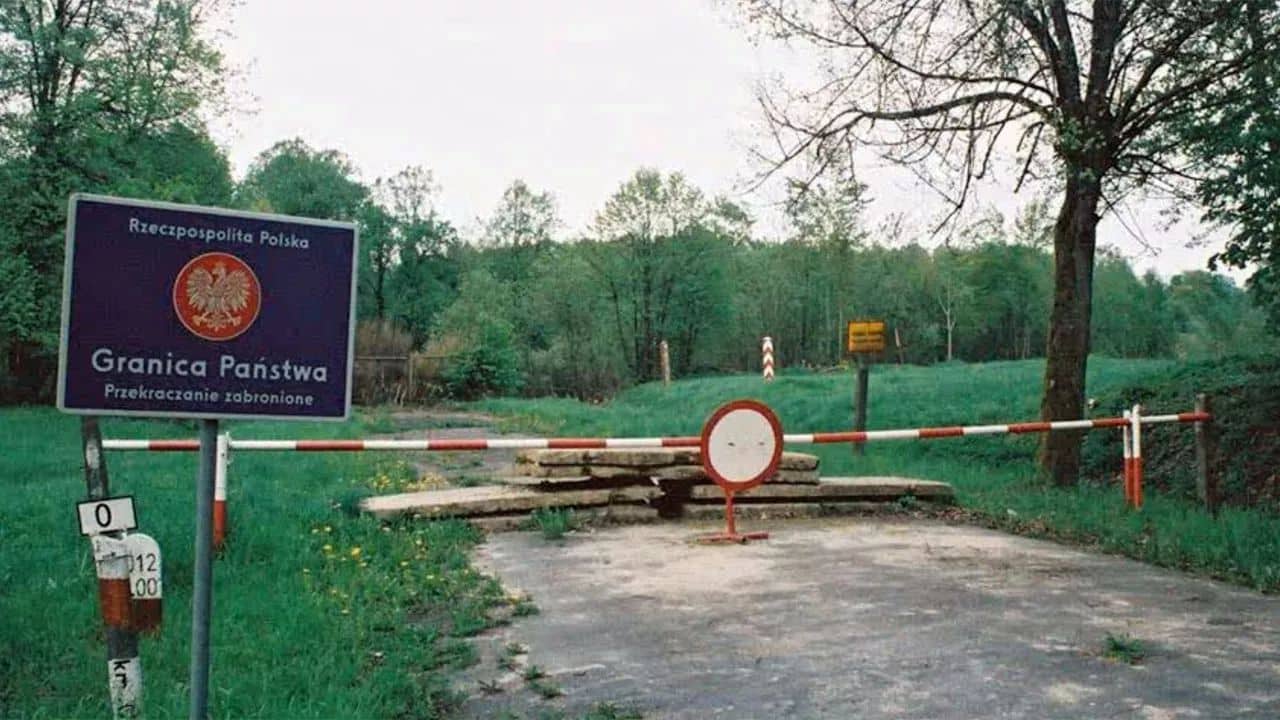
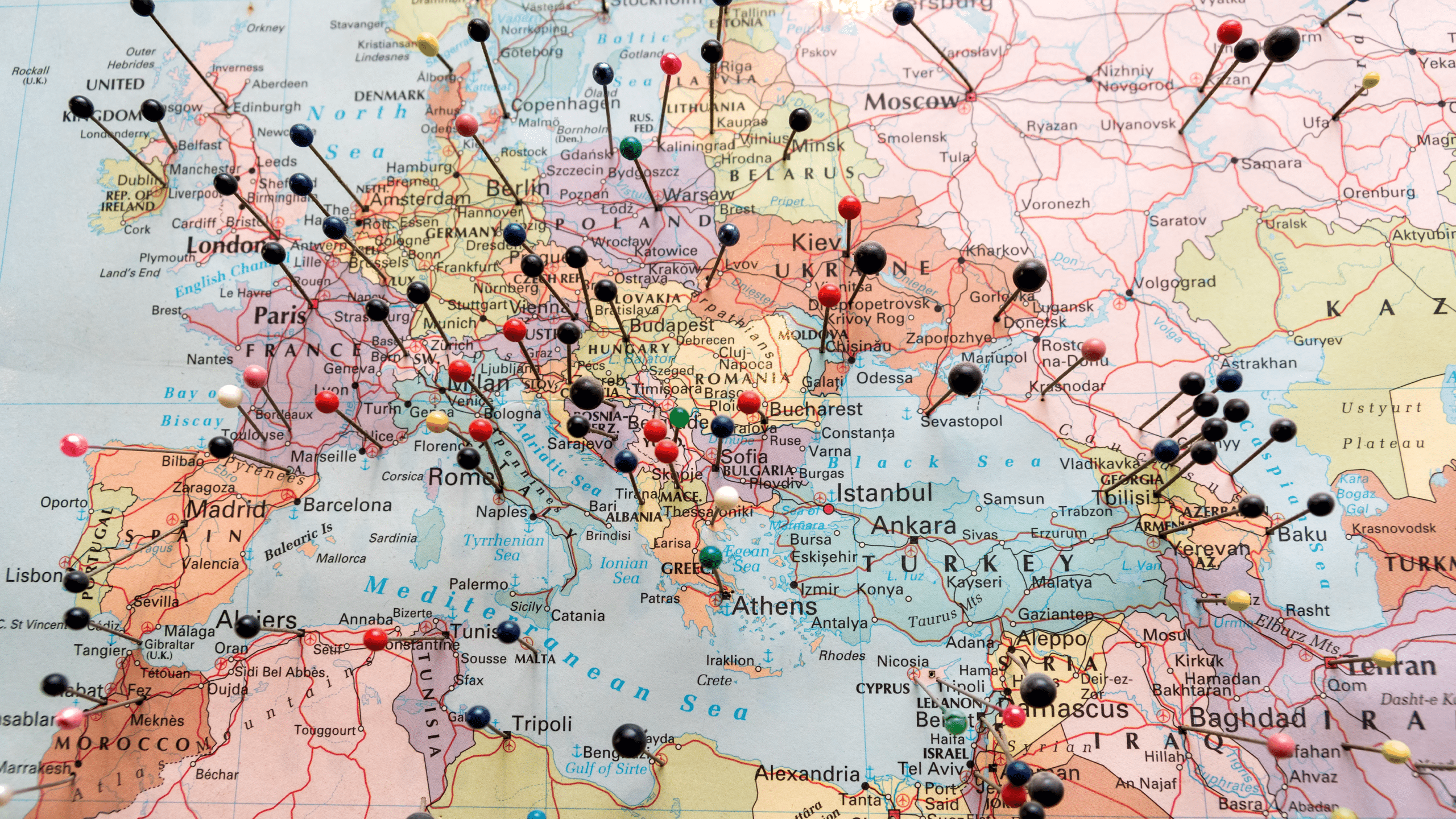
Yes, it has been possible to be born in one country, get married in another, and die in a third — without ever leaving your home. The boundaries in Eastern Europe have been redrawn many times over the years, presenting challenges for modern-day genealogical researchers. But this phenomenon has not been confined to that area; even Canada has seen at least 50 boundary revisions between its provinces and territories. When jurisdictions have changed, it is especially important to learn how to interpret and record information.
The 10 Most Useful Databases for Eastern European Research
With more information available online, it is often possible to find key records for your Eastern European ancestors in free and subscription databases. Learn about the various record sets available, how to access them, and how to overcome privacy and language issues and other research roadblocks.
10 Eastern European Genealogy Resources You Might be Missing
While church registers are the most popular and useful sources for tracing most Eastern European ancestors, and civil registration of births, marriages, and deaths provide even more details, there are other record groups to be searched that may prove useful, especially in the absence of church and vital records for…
Researching Eastern European Archives from Your Easy Chair
For decades accessing information about Polish, Czech, Slovak, Russian, Ukrainian or other
Eastern European ethnic groups was often difficult and expensive, but digitizing efforts have
changed the research landscape. Learn which Eastern European archives and other organizations
have online records and how to access them from the comfort of home.
For decades accessing information about Polish, Czech, Slovak, Russian, Ukrainian or other
Eastern European ethnic groups was often difficult and expensive, but digitizing efforts have
changed the research landscape. Learn which Eastern European archives and other organizations
have online records and how to access them from the comfort of home.
Locating and Accessing Eastern European Church Records
In this webinar, learn where to find parish records (including baptisms, marriages, deaths/burials, confession lists and more), how to access and interpret them, and what rich genealogical clues they contain.
Locating and Accessing Eastern European Civil Records
In this webinar, learn where to find Eastern European civil registration records, how to access and interpret them, and what rich genealogical clues they contain.
Where is That? Using Eastern European Atlases, Maps and Gazetteers
In this webinar, you will discover genealogy research methods for finding your ancestor's point of origin. Learn how to use tools such as maps, atlases, and gazetteers to research localities through place name changes and ever-shifting political and geographical boundaries.
Are you lost trying to find your Eastern European ancestors? Do perplexing surnames, confusing geography and records written in unfamiliar languages challenge you at every turn? Learn three key skills to overcome your research roadblocks.
A broad overview of research in Europe – a continent spanning more than thirty countries which has been subjected to wars, political unrest and border changes. Europe is a Continent with different languages, cultures and religions, all of which play a part in family history research. This presentation looks at…
Curious about your Polish roots but don't know where to begin? We will explore document sources in the US to help find your ancestral birthplace then we will take you across the ocean to search in the of archives of Poland, and much more.
Break Down Brick Walls in Eastern European Research – Tips, Tools and Tricks
Through sample case studies, learn about lesser-utilized research tactics, key resources and repositories to find your elusive Eastern European ancestors.
Best Internet Resources for East European Genealogy
With more information coming online and greater access to records, there's never been a better time to research your Eastern European ancestors. Learn about the best Internet resources for locating records, maps, networking with fellow researchers, and tracking down information abroad.
La fotografía de un desconocido: ¿punto de partida para una genealogía?
Tue, January 13 2026: 14:00 UTC
En la actualidad, cuando casi cualquier cosa pasa por la IA, el descubrimiento de una fotografía hecha a finales del siglo XIX o principios del siglo XX, no solo nos traslada a otro momento de la historia en el que el contexto era totalmente diferente, sino que nos abre las posibilidades de estudio de una persona y de una familia. Pero, además, ¿qué nos aporta una fotografía de un desconocido? ¿cuánto podemos averiguar de él y de su entorno? Una fotografía es un documento de memoria colectiva y, como tal, aporta una fuente de información sobre estructura familiar, estilo de vida y valores sociales de la época.
By registering, you are submitting your information to Legacy Family Tree Webinars and agreeing to let us use it to contact you.
Thank you for registering!
You should receive a confirmation email with a link to the webinar soon.
You’ll also receive a reminder both the day before and one hour before the webinar begins. Didn’t receive a confirmation email?
You successfully registered for %s.
You should receive a confirmation email with a link to the webinar soon.
You’ll also receive a reminder both the day before and one hour before the webinar begins. Didn’t receive a confirmation email?