English DNA Matches: Tools for quickly building modern trees
Many English DNA matches have rudimentary online trees. Learn about online resources for quickly and inexpensively extending the trees to find possible connections. Many North Americans have limited or no understanding of twentieth century online records that can be used to extend rudimentary or no online trees for their English DNA matches. There is a big need to be able to get the trees far enough back in time to possibly find the nearest common ancestors. This presentation will look at the different record groups explaining, with examples, how to use the different records together, and the time periods for which they are appropriate. Records discussed with illustrations and limitations include: – Civil Registration – Probate – Cemeteries / Crematoriums – Newspapers – Funeral notices – Voter registrations – Telephone directories – More
Situated on the east coast of England, Norfolk is its fifth largest county and contains over 700 ancient parishes. Historically, it was a largely agricultural region, with some manufacturing in the county town of Norwich and significant seaports at King’s Lynn and Great Yarmouth. The resources available for tracing ancestors who lived in Norfolk are vast and varied. While many of the most useful records (such as parish registers) are available online, there remains a wealth of material that can only be accessed at the archives in Norwich and King’s Lynn. In this webinar, the lives of Norfolk ancestors will be placed in context and the sources of use to genealogists will be explained. The session will cover probate records, borough records, quarter sessions records, estate papers, maritime records, newspapers and other relevant resources. Some difficulties that can be encountered when investigating Norfolk ancestors will also be discussed, as well as methods of overcoming such challenges. Additionally, the printed and online publications of relevance to Norfolk research will be considered in detail.
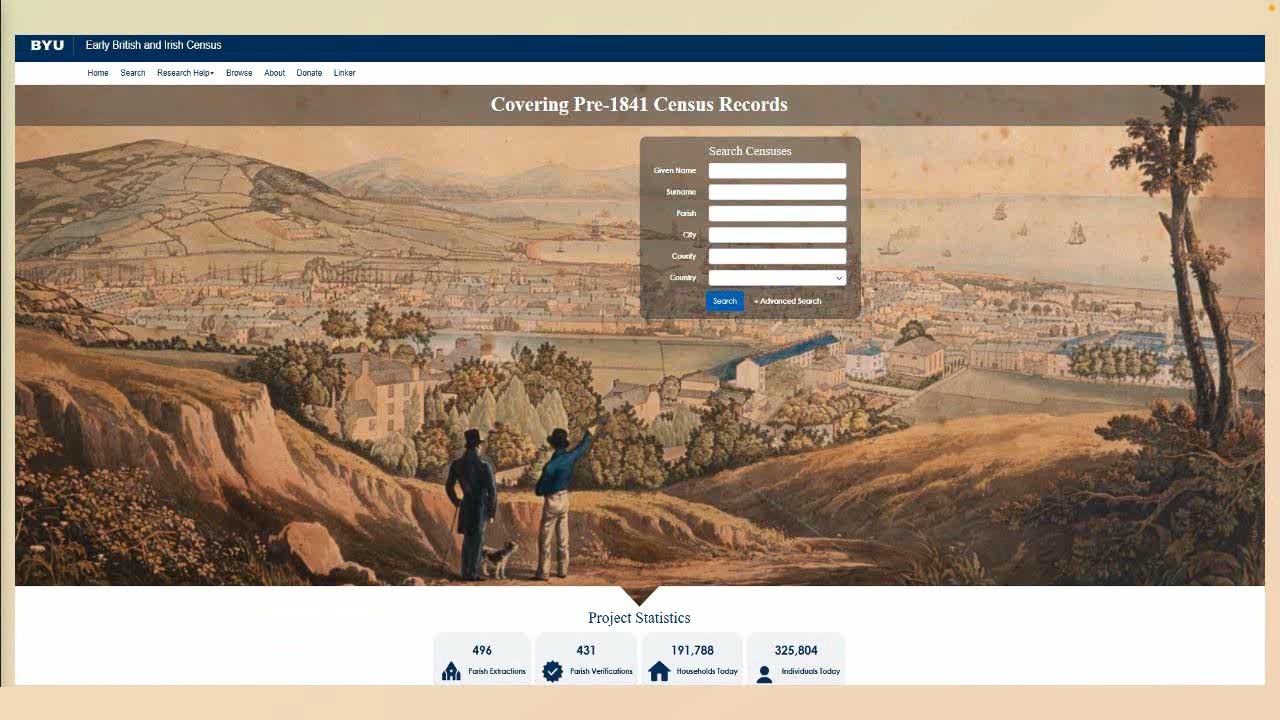
Most British and Irish pre-1841 census records have only statistical information. However, approximately 1400 returns have named individuals. The Early British and Irish Census Project (EBIC) brings all the information from those returns into one searchable, free-to-the-public database (ebc.byu.edu, will soon be ebic.byu.edu). The database covers the period before civil registration and the more comprehensive censuses. It helps researchers find early nineteenth-century and late eighteenth-century people who can be difficult to trace due to increased mobility and increased religious nonconformity.
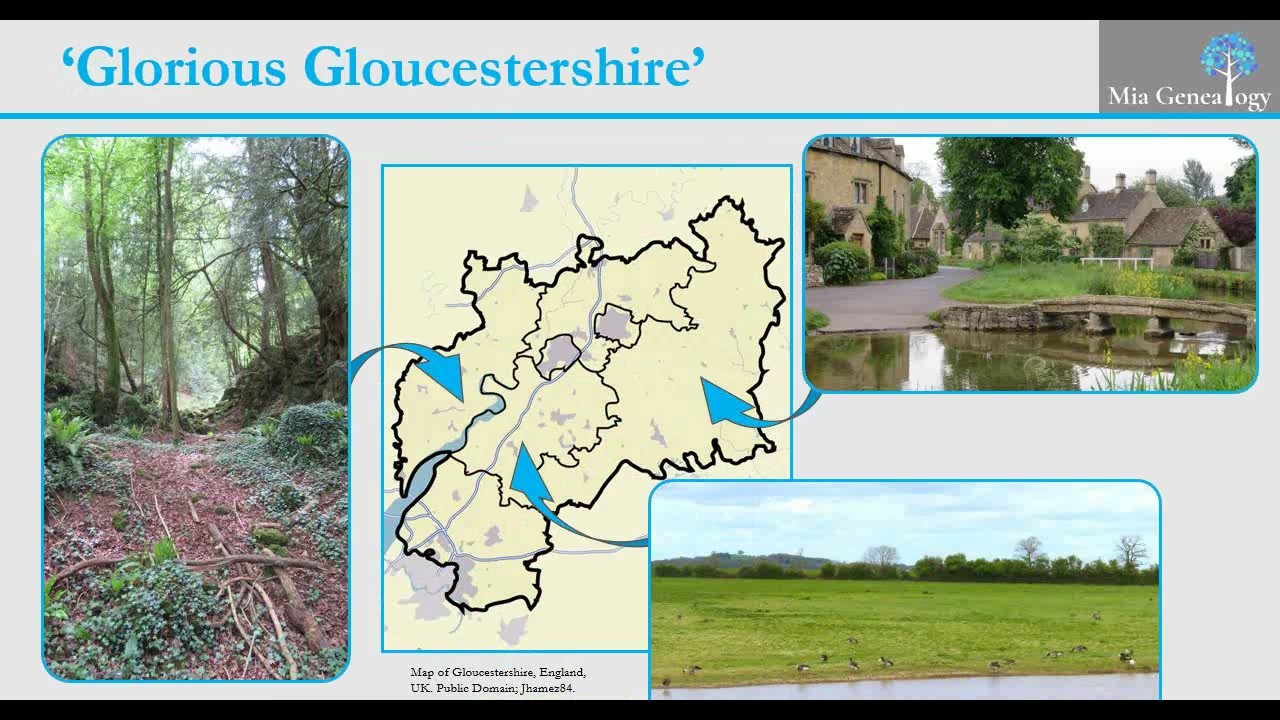
Learn all about the key resources available for researching ancestors in Gloucestershire. Discover the key archives covering this county and how to use their catalogues and other resources. Find out where records for this county can be found online both within the main commercial websites and county specialist sites. Learn about key historical events that may impact your research in Gloucestershire. Investigate where else you can get help for researching here such as the Family History Society. At the end of this talk, you will be set up for starting your research on your Gloucestershire ancestors. Note that the talk assumes you have already watched ‘Introduction to County Research in England’.
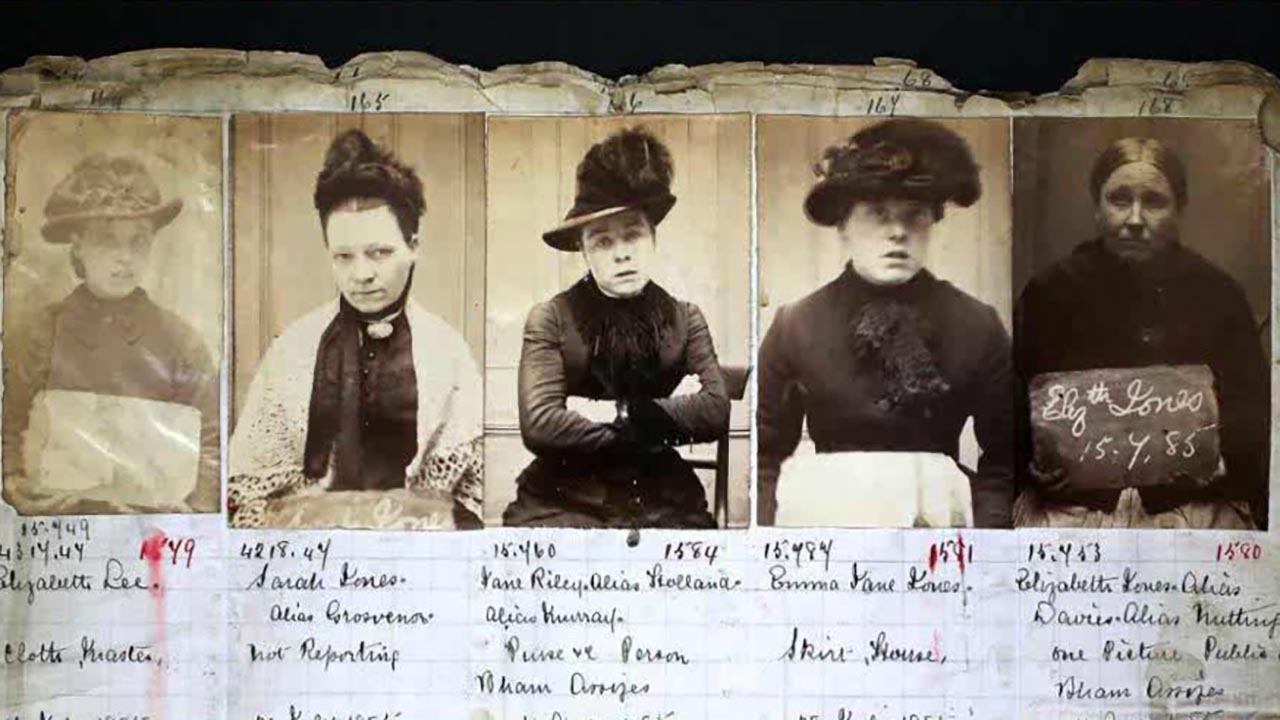
Ancestors on the Margins: tracing misfortunate ancestors in Britain
This presentation focusses on helping family historians with British ancestry to research those whose conditions or behaviours may have led them to become marginalised, or discriminated against. Their circumstances were often the result of personal misfortune, exacerbated by society’s intolerance and they are often the ancestors who are not given due attention when we research, perhaps because their life experiences make us feel uncomfortable. Now is the time to focus on the Illegitimate, the poverty stricken, the sick and the lawbreakers and restore them to prominence in the family’s story. The presentation will also consider the ethical issues that arise when telling the stories of the marginalised.
English and Welsh Wills and Death Records (Before and After 1858)
Wills and probate records can be a great source of understanding of individuals. Who were they, and where were they located? What was their status in their community? What property did they own? Who were the administrators of their estates? Who were their heirs, and what did they inherit? What relationships might they have had with other people? The surviving records of England and Wales span from the 14th century to the present. Learn the history of the records before and after 1858, when civil courts took over probate responsibility from ecclesiastical courts. Learn about research guides to the records and how to read them.
This webinar was first released 28 July 2021 on the Genealogy Guys Learn website.
Wills and probate records can be a great source of understanding of individuals. Who were they, and where were they located? What was their status in their community? What property did they own? Who were the administrators of their estates? Who were their heirs, and what did they inherit? What relationships might they have had with other people? The surviving records of England and Wales span from the 14th century to the present. Learn the history of the records before and after 1858, when civil courts took over probate responsibility from ecclesiastical courts. Learn about research guides to the records and how to read them.
This webinar was first released 28 July 2021 on the Genealogy Guys Learn website.
Often viewed as a rural retreat for London residents, Surrey presents unique challenges for genealogical research due to its shifting boundaries over the 19th and 20th centuries. This talk will help you build a solid foundation for exploring your Surrey roots with confidence, guiding you through the complexities of tracing your Surrey ancestry, offering strategies to streamline your research journey. Learn about the essential archives and genealogical sources available, both online and in-person, and gain insights into where to find support from local Family History Societies.
An insight into the wealth of information that is available within newspapers including the British Newspaper Archive and The Gazette as well as hints and tips for getting more out of searching and finding useful articles within the newspapers.
Discover how and where to locate records relating to your Essex and East London Ancestors. Learn about the changes of jurisdictions, and the various depositories that hold the keys to researching your family history. Once one of the seven Kingdoms, Essex and its neighboring East End towns/boroughs are steeped in history – from Tudors hunting in Epping Forest, to the Windrush arriving in the port of Tilbury. Find out how the landscape, particularly the Thames Estuary, played its part in shaping the county and its people. From probate courts to manors, schools to newspapers, a vast array of sources will be covered.
Understanding and Benefitting from Process Changes to England’s Civil Registration for B/M/D Certificates
Understand original steps in getting from event – birth, marriage or death to an index; how online services impact searches; how to obtain inexpensive certificates. Access procedures and costs for obtaining birth, marriage and death certificates in England and Wales has changed radically in the last few years. Positively, the reduced costs make it such there is no excuse for not getting all birth and death certificates. Negatively, people are losing sight of what they are actually searching to get the certificate. – Learn the original process of getting from an event to a listing within an index (local or national). – Learn what rules and laws changed the above processes over time. – Understand differences between original and new indexes. – See the impact of which versions of the indexes are being searched by the different online services. – Learn how to purchase, and quickly obtain birth and death certificates. – See the different versions of the certificates that can be currently purchased. – Learn alternatives for obtaining cheaper marriage records.
The county of Hampshire covers over 1 million acres, bordered to the south by the English Channel and includes the Isle of Wight. As one might expect the ancestral roots of the county are widely represented by agricultural workers, but it also has a strong maritime history. This includes not only coastguards, fishermen, and latterly Merchant Navy seafarers, but also the Royal Navy with its Portsmouth dockyard, now home to Nelsons’s flagship HMS Victory. Join Gill for a user’s guide to online and offline resources, including local archive collections, a guide to boundary changes, and where to search for missing ancestors. Our aim is research enlightenment.
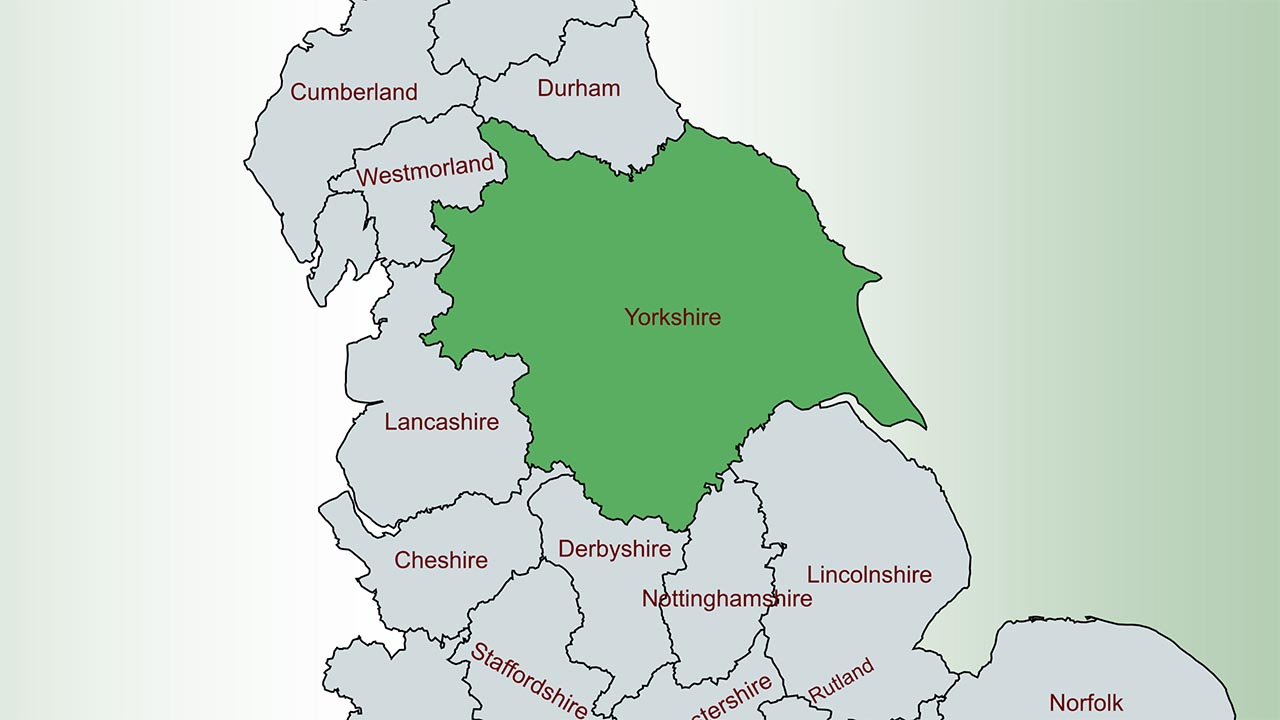
Yorkshire is the largest county in England and was historically divided into three Ridings: West, North and East. Today there are four sub-counties in Yorkshire. The webinar will explain the complexities of parish jurisdictions and county boundary changes to assist in locating the relevant archives, and societies, for researching records and documents. The varied landscape will be explored to provide a background to the main industries which influenced migration in and around Yorkshire.
Genealogy Meets the Internet Archive and AI: A Comprehensive Review
Wed, January 7 2026: 16:30 UTC
Learn to harness the Internet Archive’s free digital library—a treasure trove of digitized family histories, city directories, census and church records—to enrich your genealogy research. Learn how to build complex prompts to build an index of surnames on a 400 page genealogy book from 1898. Learn how to extract a list of migration routes from the same book, organized by surname, then in generation order, and placed in an Excel file. With the help of AI, you can get the most out of Internet Archive.
AI as Partner, Not Replacement: Human-Led Research Planning in the Sally Keaton Case
Wed, January 7 2026: 17:45 UTC
This lecture explores how modern AI tools can assist genealogical research planning through the case of Sally Keaton, where the objective was to identify her children using limited historical records and DNA evidence. The presentation demonstrates how to structure effective research plans with AI assistance, covering essential elements including clear objectives, summaries of known facts, working hypotheses, identified sources, and prioritized strategies. Using Sally Keaton’s case as the central example, the lecture showcases practical AI tools, such as side-by-side editors: Canvas (ChatGPT and Gemini) and Artifacts (Claude); also advanced capabilities including reasoning models and organizational tools like ChatGPT’s Projects, Claude’s Projects, Perplexity’s Spaces, and Gemini Gems. While AI can create research plans on its own, human-AI collaboration produces better results. When researchers guide and refine AI-generated strategies instead of using fully automated planning, they achieve more accurate results.
From Problem to Solution: A Case Study Approach to Using AI in Genealogy
Wed, January 7 2026: 20:30 UTC
Artificial intelligence is changing the way genealogists work—but how do you move beyond tips and tricks to apply AI in a sound, methodical way? In this session, Andrew Redfern demonstrates how a case study approach provides the answer. Using real examples, he walks through the stages of tackling a genealogical problem with AI, showing how tools can assist with transcription, analysis, correlation of evidence, and presentation of findings. Rather than treating AI as a shortcut, Andrew highlights how to integrate it into the established genealogical research cycle—problem definition, source gathering, analysis, and conclusion. Attendees will see how AI can clarify complex evidence, save time on repetitive tasks, and support storytelling, while still requiring human expertise and critical thinking. By the end of the session, participants will have a practical framework they can adapt to their own research problems, ensuring that AI becomes a trusted partner in genealogical methodology.
La fotografía de un desconocido: ¿punto de partida para una genealogía?
Tue, January 13 2026: 14:00 UTC
En la actualidad, cuando casi cualquier cosa pasa por la IA, el descubrimiento de una fotografía hecha a finales del siglo XIX o principios del siglo XX, no solo nos traslada a otro momento de la historia en el que el contexto era totalmente diferente, sino que nos abre las posibilidades de estudio de una persona y de una familia. Pero, además, ¿qué nos aporta una fotografía de un desconocido? ¿cuánto podemos averiguar de él y de su entorno? Una fotografía es un documento de memoria colectiva y, como tal, aporta una fuente de información sobre estructura familiar, estilo de vida y valores sociales de la época.
Using MyHeritage in Your Genealogical DNA Testing Plan
Tue, January 13 2026: 19:00 UTC
We often need other family members to take a DNA test for us to help us solve our genealogical problems. We’ll discuss ways MyHeritage can help us find, test, and collaborate with our DNA cousins.
By registering, you are submitting your information to Legacy Family Tree Webinars and agreeing to let us use it to contact you.
Thank you for registering!
You should receive a confirmation email with a link to the webinar soon.
You’ll also receive a reminder both the day before and one hour before the webinar begins. Didn’t receive a confirmation email?
You successfully registered for %s.
You should receive a confirmation email with a link to the webinar soon.
You’ll also receive a reminder both the day before and one hour before the webinar begins. Didn’t receive a confirmation email?