Les 10 bases de données les plus utiles pour la recherche sur l’Europe de l’Est
Grâce à la multitude d’informations disponibles en ligne, il est souvent possible de trouver des documents clés concernant vos ancêtres d’Europe de l’Est dans des bases de données gratuites ou payantes. Découvrez les différents types de documents disponibles, comment y accéder et comment surmonter les problèmes liés à la confidentialité, à la langue et autres obstacles à la recherche.
Les sous-titres et la voix de cette vidéo ont été doublés en français à l’aide de l’IA.
Grâce à la multitude d’informations disponibles en ligne, il est souvent possible de trouver des documents clés concernant vos ancêtres d’Europe de l’Est dans des bases de données gratuites ou payantes. Découvrez les différents types de documents disponibles, comment y accéder et comment surmonter les problèmes liés à la confidentialité, à la langue et autres obstacles à la recherche.
Les sous-titres et la voix de cette vidéo ont été doublés en français à l’aide de l’IA.
Confusion. Too many “favorites” lists. Too many “Top 100” lists. Too many opinions. Indeed, that’s just what the myriads of “top website” lists are: somebody’s opinion. Well, it’s time to make a better and truly useful list! Based on an extensive study of genealogical web traffic, here are the 50 most visited real genealogy websites. Since these are the most visited sites, they must be doing something right and providing some value to their visitors. Count them down, and learn what you’ve been missing!
Confusion. Too many “favorites” lists. Too many “Top 100” lists. Too many opinions. Indeed, that’s just what the myriads of “top website” lists are: somebody’s opinion. Well, it’s time to make a better and truly useful list! Based on an extensive study of genealogical web traffic, here are the 50 most visited real genealogy websites. Since these are the most visited sites, they must be doing something right and providing some value to their visitors. Count them down, and learn what you’ve been missing!
We are so busy searching and documenting the past and our ancestors, but don’t stop to think that someday we will be the ancestors of someone. What are we leaving behind besides the genealogical legacy? Will our descendants know who WE really were? our unique voice, our feelings and experiences, what messages and lessons do we leave behind?
We are so busy searching and documenting the past and our ancestors, but don’t stop to think that someday we will be the ancestors of someone. What are we leaving behind besides the genealogical legacy? Will our descendants know who WE really were? our unique voice, our feelings and experiences, what messages and lessons do we leave behind?
Las 10 bases de datos más útiles para la investigación sobre Europa del Este
Con más información disponible en línea, a menudo es posible encontrar registros clave de sus antepasados de Europa del Este en bases de datos gratuitas y de suscripción. Obtenga información sobre los distintos conjuntos de registros disponibles, cómo acceder a ellos y cómo superar los problemas de privacidad e idioma, así como otros obstáculos para la investigación.
Los subtítulos y la voz de este vídeo se han doblado al español utilizando IA.
Con más información disponible en línea, a menudo es posible encontrar registros clave de sus antepasados de Europa del Este en bases de datos gratuitas y de suscripción. Obtenga información sobre los distintos conjuntos de registros disponibles, cómo acceder a ellos y cómo superar los problemas de privacidad e idioma, así como otros obstáculos para la investigación.
Los subtítulos y la voz de este vídeo se han doblado al español utilizando IA.
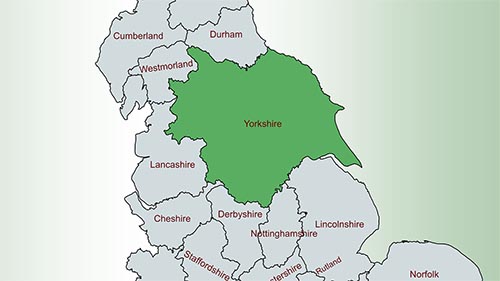
Yorkshire was an area of great migration, those who moved within the county, those who moved in and out of the county and those who left Yorkshire and England. Most Europeans who emigrated travelled to America with more than 2 million English moving to America in the 1800s. The changes during the 1800s through the effects, and aftereffects, of the Industrial Revolution created great change in Yorkshire as well as the decline in lead mining and farming in rural areas and the Yorkshire dales. As people lost opportunities to earn a living in these areas they were pulled to the opportunities further afield, the mills towns in the West Riding of Yorkshire and Lancashire and further afield to America then later to Canada and Australia. As a member of a family emigrated this created a greater pull for friends and family to join them creating communities in another country. This was the case in New Diggings in Wisconsin where many people from Swaledale and Wensleydale left the declining lead mines to start new lives in the growing mines of America. This talk will explore the people who emigrated, the villages they left and the communities they joined along with the Yorkshire surnames which are now part of American life. Oral histories documented in the book ‘Those Who Left the Dales’ by the Upper Dales Family History Group are referred to as well as immigration records and original documents held at North Yorkshire Archives including the publication ‘History of New Diggings’ and a Dakota ‘recruiting’ lecture given in Wensleydale. The talk will provide an insight into the reasons for leaving Yorkshire, particularly the Yorkshire Dales, and the lives of those who emigrated.
Yorkshire was an area of great migration, those who moved within the county, those who moved in and out of the county and those who left Yorkshire and England. Most Europeans who emigrated travelled to America with more than 2 million English moving to America in the 1800s. The changes during the 1800s through the effects, and aftereffects, of the Industrial Revolution created great change in Yorkshire as well as the decline in lead mining and farming in rural areas and the Yorkshire dales. As people lost opportunities to earn a living in these areas they were pulled to the opportunities further afield, the mills towns in the West Riding of Yorkshire and Lancashire and further afield to America then later to Canada and Australia. As a member of a family emigrated this created a greater pull for friends and family to join them creating communities in another country. This was the case in New Diggings in Wisconsin where many people from Swaledale and Wensleydale left the declining lead mines to start new lives in the growing mines of America. This talk will explore the people who emigrated, the villages they left and the communities they joined along with the Yorkshire surnames which are now part of American life. Oral histories documented in the book ‘Those Who Left the Dales’ by the Upper Dales Family History Group are referred to as well as immigration records and original documents held at North Yorkshire Archives including the publication ‘History of New Diggings’ and a Dakota ‘recruiting’ lecture given in Wensleydale. The talk will provide an insight into the reasons for leaving Yorkshire, particularly the Yorkshire Dales, and the lives of those who emigrated.
Genealogy Orienteering: Using Maps to Find the RIGHT Place
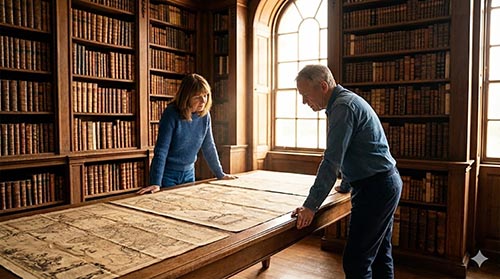
This genealogical video presents a methodology for using current and historical maps, gazetteers, and other tools to help you always find the evidence you seek.
This genealogical video presents a methodology for using current and historical maps, gazetteers, and other tools to help you always find the evidence you seek.
Si les pierres tombales pouvaient parler, elles auraient beaucoup d’histoires à raconter. Mais elles ne le peuvent pas, c’est pourquoi BillionGraves est la meilleure alternative. BillionGraves est la plus grande base de données au monde sur les cimetières, reliée à un système GPS. Lorsque vous prenez des photos avec l’application BillionGraves sur votre téléphone, chaque pierre tombale est automatiquement marquée d’une position GPS. Les données sont ensuite transcrites par des bénévoles, reportées sur des plans de cimetières et conservées sur les sites web BillionGraves, FamilySearch et MyHeritage pour des millions de familles à travers le monde et pour les générations futures.
Les sous-titres et la voix de cette vidéo ont été doublés en français à l’aide de l’IA.
Si les pierres tombales pouvaient parler, elles auraient beaucoup d’histoires à raconter. Mais elles ne le peuvent pas, c’est pourquoi BillionGraves est la meilleure alternative. BillionGraves est la plus grande base de données au monde sur les cimetières, reliée à un système GPS. Lorsque vous prenez des photos avec l’application BillionGraves sur votre téléphone, chaque pierre tombale est automatiquement marquée d’une position GPS. Les données sont ensuite transcrites par des bénévoles, reportées sur des plans de cimetières et conservées sur les sites web BillionGraves, FamilySearch et MyHeritage pour des millions de familles à travers le monde et pour les générations futures.
Les sous-titres et la voix de cette vidéo ont été doublés en français à l’aide de l’IA.
DNA in Action 1 of 6: Proving Your Pedigree with DNA
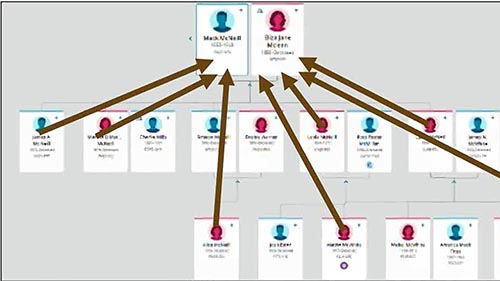
The series begins with sound genealogy methodology and principles and then explains their logical extensions when using autosomal DNA as a source of information to answer focused research questions. Karen will use a case example to prove the documented ancestors are consistent with the genetic evidence on a selected ancestral line. This lecture focuses on methodology and decision-making.
The series begins with sound genealogy methodology and principles and then explains their logical extensions when using autosomal DNA as a source of information to answer focused research questions. Karen will use a case example to prove the documented ancestors are consistent with the genetic evidence on a selected ancestral line. This lecture focuses on methodology and decision-making.
Lineage in Context: Creating a Compelling Kinship-Determination Project
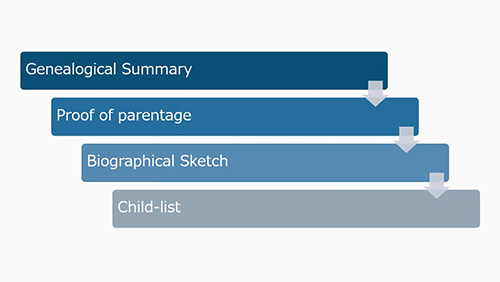
Turn your research into a meaningful family narrative that meets BCG certification requirements. This session will demonstrate how to write a structured narrative lineage that both proves kinship and details the history of each couple. Topics include selecting an appropriate family line, placing families in context, organizing and analyzing evidence, meeting BCG’s standards, and documenting biographical details.
Turn your research into a meaningful family narrative that meets BCG certification requirements. This session will demonstrate how to write a structured narrative lineage that both proves kinship and details the history of each couple. Topics include selecting an appropriate family line, placing families in context, organizing and analyzing evidence, meeting BCG’s standards, and documenting biographical details.
Si las lápidas pudieran hablar, tendrían muchas historias que contar. Pero no pueden, por eso BillionGraves es la mejor alternativa. BillionGraves es la mayor base de datos del mundo sobre cementerios, conectada a un sistema GPS. Cuando se toman fotos con la aplicación BillionGraves en el teléfono, cada lápida se marca automáticamente con una posición GPS. A continuación, los datos son transcritos por voluntarios, transferidos a planos de cementerios y almacenados en los sitios web BillionGraves, FamilySearch y MyHeritage para millones de familias de todo el mundo y para las generaciones futuras.
Los subtítulos y la voz de este vídeo se han doblado al español utilizando IA.
Si las lápidas pudieran hablar, tendrían muchas historias que contar. Pero no pueden, por eso BillionGraves es la mejor alternativa. BillionGraves es la mayor base de datos del mundo sobre cementerios, conectada a un sistema GPS. Cuando se toman fotos con la aplicación BillionGraves en el teléfono, cada lápida se marca automáticamente con una posición GPS. A continuación, los datos son transcritos por voluntarios, transferidos a planos de cementerios y almacenados en los sitios web BillionGraves, FamilySearch y MyHeritage para millones de familias de todo el mundo y para las generaciones futuras.
Los subtítulos y la voz de este vídeo se han doblado al español utilizando IA.
Breaking the 1870 Brick Wall: Comprehensive Strategies for Tracing Formerly Enslaved African American Ancestors
Overcoming the 1870 brick wall in African American genealogy is challenging, but possible. This session presents a clear, step-by-step roadmap for tracing formerly enslaved ancestors using the Genealogical Proof Method. Learn how to reconstruct the freedmen generation, identify potential enslavers, and mine enslaver records for hidden ancestral clues. We’ll explore records on Ancestry and FamilySearch, including census and vital records, Freedmen’s Bureau files, cohabitation records, and estate records. If you’re ready to move beyond 1870 and build a fuller picture of your family’s past, this webinar will equip you with the tools and confidence to begin.
Overcoming the 1870 brick wall in African American genealogy is challenging, but possible. This session presents a clear, step-by-step roadmap for tracing formerly enslaved ancestors using the Genealogical Proof Method. Learn how to reconstruct the freedmen generation, identify potential enslavers, and mine enslaver records for hidden ancestral clues. We’ll explore records on Ancestry and FamilySearch, including census and vital records, Freedmen’s Bureau files, cohabitation records, and estate records. If you’re ready to move beyond 1870 and build a fuller picture of your family’s past, this webinar will equip you with the tools and confidence to begin.
MyHeritage está a la vanguardia de la innovación en genealogía y constantemente introduce nuevas y emocionantes funciones para ayudar a los usuarios a llevar su investigación al siguiente nivel. En esta sesión, Daniel ofrecerá una explicación detallada de las últimas y mejores novedades de MyHeritage y le mostrará cómo sacar el máximo partido a estas funciones. Además, le dará un vistazo entre bastidores sobre cómo se desarrollaron.
MyHeritage está a la vanguardia de la innovación en genealogía y constantemente introduce nuevas y emocionantes funciones para ayudar a los usuarios a llevar su investigación al siguiente nivel. En esta sesión, Daniel ofrecerá una explicación detallada de las últimas y mejores novedades de MyHeritage y le mostrará cómo sacar el máximo partido a estas funciones. Además, le dará un vistazo entre bastidores sobre cómo se desarrollaron.
Le Système d’Organisation de Généalogie à Six Dossiers
Thu, March 5 2026: 14:00 UTC
Les sous-titres et la voix de cette vidéo ont été doublés en français à l’aide de l’IA.
Perdu dans une mer de fichiers numériques, de photos de famille et de documents papier ? Vous ne trouvez pas les dossiers que vous savez avoir ? Vous numérisez des photos et des dossiers plus d’une fois ? Ce système basé sur les archives vous aide à organiser TOUS vos travaux de recherche généalogique et vos dossiers en seulement six dossiers. Pas besoin de codes couleur, de systèmes de numérotation ou d’autres schémas compliqués avec des idées d’un généalogiste et archiviste professionnel.
Les sous-titres et la voix de cette vidéo ont été doublés en français à l’aide de l’IA.
Perdu dans une mer de fichiers numériques, de photos de famille et de documents papier ? Vous ne trouvez pas les dossiers que vous savez avoir ? Vous numérisez des photos et des dossiers plus d’une fois ? Ce système basé sur les archives vous aide à organiser TOUS vos travaux de recherche généalogique et vos dossiers en seulement six dossiers. Pas besoin de codes couleur, de systèmes de numérotation ou d’autres schémas compliqués avec des idées d’un généalogiste et archiviste professionnel.
Diccionario geográfico de España para genealogistas: cómo interpretar lugares antiguos en tus investigaciones familiares
Tue, March 10 2026: 14:00 UTC
Aprende a usar un diccionario geográfico de España para tus estudios genealógicos. Descubre cómo identificar pueblos desaparecidos, cambios de nombres, y divisiones históricas que afectan tu árbol familiar. Ideal para genealogistas y aficionados a la historia familiar.
Aprende a usar un diccionario geográfico de España para tus estudios genealógicos. Descubre cómo identificar pueblos desaparecidos, cambios de nombres, y divisiones históricas que afectan tu árbol familiar. Ideal para genealogistas y aficionados a la historia familiar.
Leveraging Freedom of Information Laws to Procure Novel Records
Wed, March 11 2026: 18:00 UTC
This lecture will explain Freedom of Information Laws, and what genealogists can do with them. A variety of jurisdictions and case studies will be discussed.
This lecture will explain Freedom of Information Laws, and what genealogists can do with them. A variety of jurisdictions and case studies will be discussed.
From Research to Data with AI 1 of 5: From Records to Raw Data—Extracting with AI
Thu, March 12 2026: 0:00 UTC
Use AI to extract, clean, organise, and analyse your family history research. Intermediate level, focused on workflows and data handling; ideal for users managing large research projects; activities include table-building, clustering, and data cleaning.
Use AI to extract, clean, organise, and analyse your family history research. Intermediate level, focused on workflows and data handling; ideal for users managing large research projects; activities include table-building, clustering, and data cleaning.
La plupart des généalogistes n’exploitent pas pleinement tous les indices disponibles dans les annuaires municipaux. Apprenez à aller au-delà d’une simple « recherche » de vos ancêtres et de leur famille. Comprenez comment les annuaires municipaux ont été créés, les secrets des différentes abréviations et comment utiliser l’approche F.A.N. Club pour obtenir le plus d’informations possible. Ce webinaire fait partie du séminaire de généalogie MyHeritage d’une journée, diffusé en direct depuis le siège de MyHeritage à Or Yehuda, en Israël.
Les sous-titres et la voix de cette vidéo ont été doublés en français à l’aide de l’IA.
La plupart des généalogistes n’exploitent pas pleinement tous les indices disponibles dans les annuaires municipaux. Apprenez à aller au-delà d’une simple « recherche » de vos ancêtres et de leur famille. Comprenez comment les annuaires municipaux ont été créés, les secrets des différentes abréviations et comment utiliser l’approche F.A.N. Club pour obtenir le plus d’informations possible. Ce webinaire fait partie du séminaire de généalogie MyHeritage d’une journée, diffusé en direct depuis le siège de MyHeritage à Or Yehuda, en Israël.
Les sous-titres et la voix de cette vidéo ont été doublés en français à l’aide de l’IA.
By registering, you are submitting your information to Legacy Family Tree Webinars and agreeing to let us use it to contact you.
Thank you for registering!
You should receive a confirmation email with a link to the webinar soon.
You’ll also receive a reminder both the day before and one hour before the webinar begins. Didn’t receive a confirmation email?
You successfully registered for %s.
You should receive a confirmation email with a link to the webinar soon.
You’ll also receive a reminder both the day before and one hour before the webinar begins. Didn’t receive a confirmation email?