



Gedcom files are useful for transferring family tree data but they aren’t easy to read or work with on their own. In this TechZone, we’ll explain how you can use AI to easily extract information from a gedcom file and create word documents or spreadsheet.
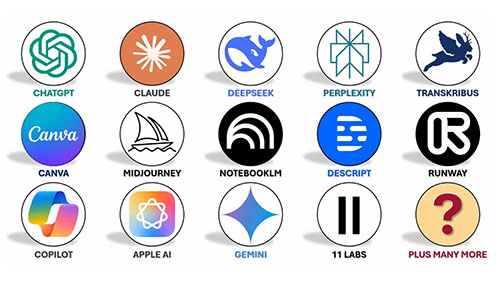
This webinar, “Working with GEDCOM Files Using AI,” shows how combining a standard family tree file with modern AI tools can reveal new insights into existing research. Genealogist Natalie Webb explains what a GEDCOM file contains—individuals, families, events, sources, and media links—and demonstrates how AI can quickly read that structured text, summarize the tree, surface patterns, and spotlight research priorities. The result is a practical guide to turning a static export from genealogy software into a flexible, analyzable dataset that supports deeper, more organized family history work.
AI is presented as a powerful assistant rather than a replacement for genealogists’ judgment. By uploading a GEDCOM file and using clear prompts, researchers can ask AI to count people, list surnames, build tables of births and deaths, flag missing or illogical data, and even visualize trends by decade or place. The webinar walks through real examples—from surname frequency charts that expose spelling variants to country-of-birth counts that hint at migration waves—showing how these outputs can guide the next round of traditional research and cleanup inside a primary tree program.
Understanding GEDCOM as AI-ready data
The session clarifies how GEDCOM’s standardized structure makes it ideal for AI analysis, and why indicating which file to use, how it is named, and what format is desired (list, table, chart, or file) is crucial for getting meaningful, usable results.
Using AI to audit, clean, and organize a tree
Viewers see how prompts can locate missing dates, inconsistent timelines, and duplicated or variant surnames, turning AI into a quality-control partner that highlights issues for correction in the core genealogy software rather than altering the original data.
Exploring patterns, trends, and research questions
Examples such as births and deaths by decade, surname distributions, and birthplace counts show how AI-generated summaries can reveal demographic patterns, suggest migration routes, and help prioritize which branches or locations deserve closer archival attention.
Genealogists who want to move beyond simple list views and harness their existing data in smarter ways are encouraged to watch the full webinar. Seeing the live prompts, step-by-step outputs, and interpretive commentary offers a clearer sense of what AI can and cannot do with GEDCOM files, and how to experiment safely without risking original trees. After viewing, exploring the additional resources provided in the syllabus will help turn these demonstrations into custom prompt ideas, workflow checklists, and practical strategies for integrating AI into everyday genealogical research.


















 Facebook
 X
X
 Syllabus


Very interesting. I wonder about privacy issues though. I would hide all living people in my GEDCOM file before uploading.