




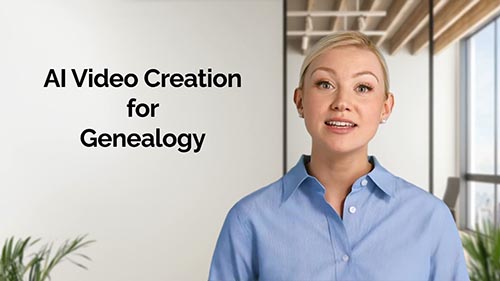
Explore how AI technology, exemplified by ChatGPT, can revolutionize your family history, by embarking on a journey through an ancestor’s life, leveraging AI to uncover his story and shed light on the broader implications for genealogical research!
Discount code: deepdive15 (valid at Familytreewebinars.com)
Valid through: January 13, 2026
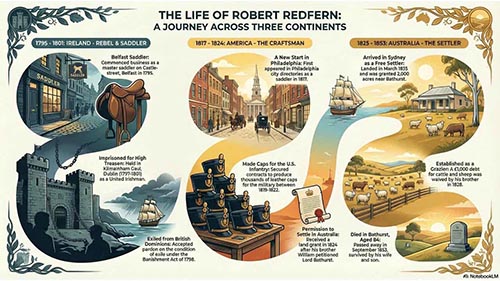
In this webinar, professional genealogist Diane Henriks demonstrates how ChatGPT can function as a practical research assistant—helping transform existing genealogy work into clearer narratives, stronger organization, and richer historical understanding. Using a real case study (ancestor Samuel Steinman), the session shows how AI can support genealogical research without replacing traditional evidence-based methods, making it especially relevant for anyone seeking faster analysis, better storytelling, and more confident next steps in a research plan.
A simple, repeatable workflow that starts with existing research: Copying and pasting an ancestor profile (or uploading a PDF printout/report) gives ChatGPT structured material to work from—often enough to generate timelines, draft biographies, family group summaries, and idea lists in seconds. A key principle is emphasized throughout: rich input produces richer output, while sparse facts lead to thin results.
Prompt structure matters more than “perfect prompt engineering”: The webinar contrasts early, overly flowery AI writing with a refined approach that requests sectioned, fact-grounded writing with historical context—but without speculation. Outputs improve when instructions clearly define what is wanted and what is not wanted, and genealogical expertise remains essential for spotting unsupported inferences or time-period mismatches.
AI shines when adding context and research direction (with verification): Beyond narrative drafting, ChatGPT is used to surface social and economic trends, migration framing, and occupational meaning (turning “butcher” or “farmer” into a community role with historical significance). The session also highlights how AI can suggest targeted next records and repositories (directories, deeds, occupational sources, parish records), while demonstrating why every suggestion must be evaluated—especially when the tool introduces an anachronism or assumes missing details.
Viewing the full webinar is worthwhile for the step-by-step examples, the practical phrasing of prompts, and the live demonstration of uploading a family group sheet to quickly generate a structured biography and actionable research gaps. Watching the complete session can help genealogists streamline organization, enrich family storytelling, and uncover overlooked angles that lead to smarter follow-up research. The syllabus materials are also worth exploring, as they extend the learning with additional prompts, guidance, and supporting resources designed to reinforce responsible, evidence-centered use of AI in genealogy.






 Facebook
 X
X
 Syllabus



Diane made what might have been considered a complicated topic into simple steps so that even beginners will be able to attempt this dynamic research process. Oh, what fun were going to have with our ancestors now!
Diane did a good job of illustrating how AI has progressed and how it might be used in genealogy.
I loved the host’s real-time example with chatGPT. It was good that it didn’t include his research, because it showed participants the kinds of things they are likely to get with today’s ChatGPT.
I loved the practical suggestions that Diane had about starting out, and her thoughts about using ChatGPT to offer more details of the historical context of our ancestors’ lives and generating research strategies and areas for further study.
I love that I am watching all of the webinars today and getting different viewpoints and insights from all of the speakers. I plan on watching all of them again as many times as I need to for it to sink in and become useable for me. Thank You for a great webinar!!
Brilliant Presentation.
Great actionable tips
Learning so much in these deep dive webinars! I’ve used AI some on my genealogy research, but this taught me the right way to do it to get the most information.