Watch webinars that focus on specific record categories including adoption, vital records, cemetery records, census records, city directories, immigration records, newspapers and more for locations around the world.
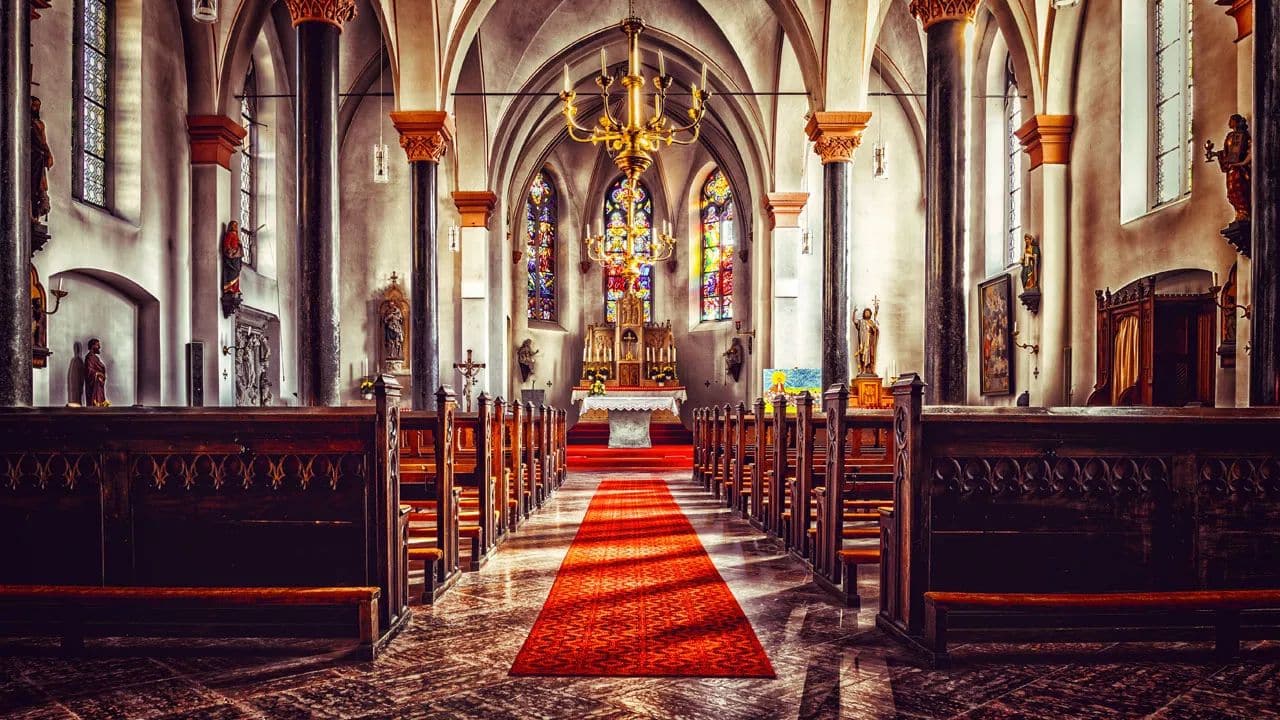
Church record research is a must for any genealogist. Many of our archives have church records available to researchers. There are also independent church archives for specific religions or denominations that can help you discover your ancestor. Learn from a seasoned genealogist and archivist how to find church records in archives.
Using U.S. Church Records as a Brick Wall Strategy: Case Studies
Finding an overseas ancestral hometown. Tracking a family from one place to another. Researching in a place with record loss. Identifying all the children of an ancestral couple. Finding (or verifying) a birth, marriage or death. Researching extended families. Searching for ancestors who were poor, non-English speaking, ethnic minorities or enslaved. Got any of these brick-wall situations? Learn how church records may be your saving grace.
Where Did Your U.S. Ancestors Go to Church? 5 Ways to Find Out
Finding a U.S. ancestor’s church affiliation is the first key step to discovering their stories in related records, but it isn’t usually easy. Learn 5 essential strategies, illustrated by inspiring examples. Viewers will come away with sensible, actionable steps they can apply to their own research.
Swedish-American Church Books – Great Genealogical Source!
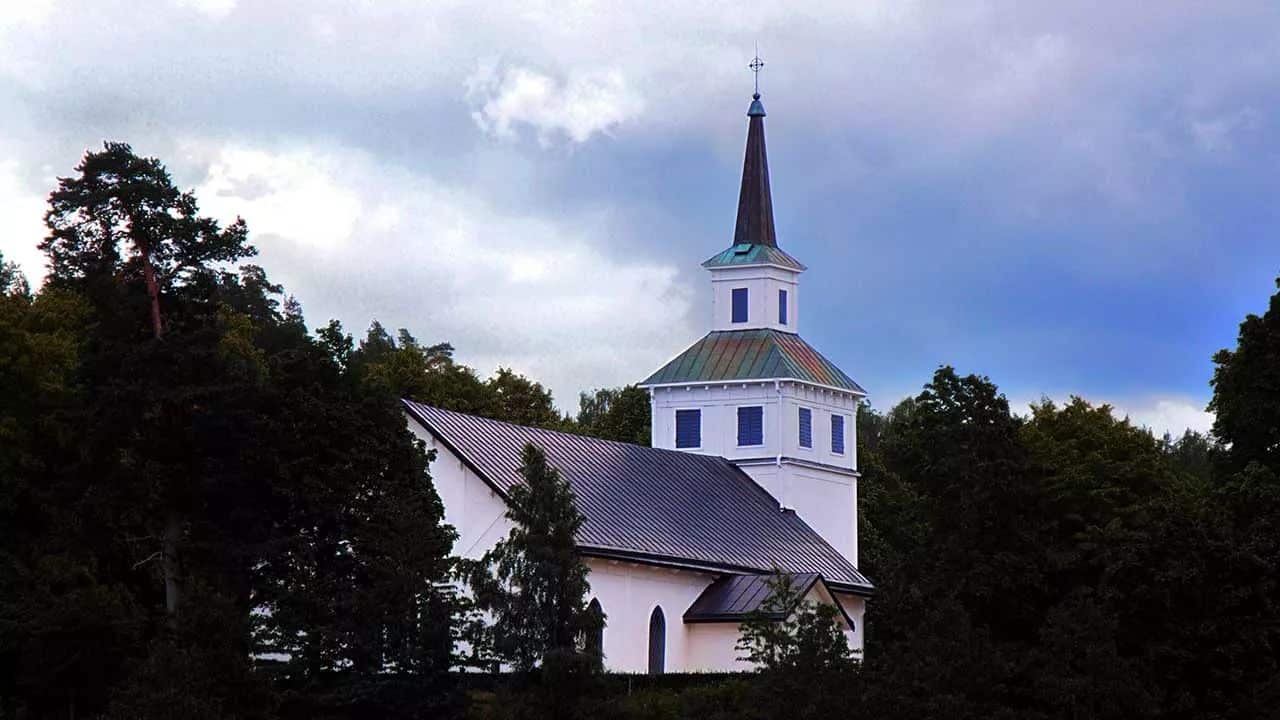
Many Swedes who immigrated to North America (United States and Canada) joined a Swedish American Church. While most of these congregations were Lutheran, there were also Swedish Covenant, Swedish Methodist, Swedish Baptist, Swedish Mission and other free churches. Many of these churches kept detailed records as they did in Sweden. These records are a wonderful source to discover where in Sweden the person came from and in some cases tracing internal migration within North America.
This presentation will highlight the history of Swedish American churches, the various denominations and what types of records were kept and where you can find these records both online and offline. We will review a few records to show the immense detail that was kept by some of these churches.
Many Swedes who immigrated to North America (United States and Canada) joined a Swedish American Church. While most of these congregations were Lutheran, there were also Swedish Covenant, Swedish Methodist, Swedish Baptist, Swedish Mission and other free churches. Many of these churches kept detailed records as they did in Sweden. These records are a wonderful source to discover where in Sweden the person came from and in some cases tracing internal migration within North America.
This presentation will highlight the history of Swedish American churches, the various denominations and what types of records were kept and where you can find these records both online and offline. We will review a few records to show the immense detail that was kept by some of these churches.
Understanding and Using Scottish Kirk Session Records
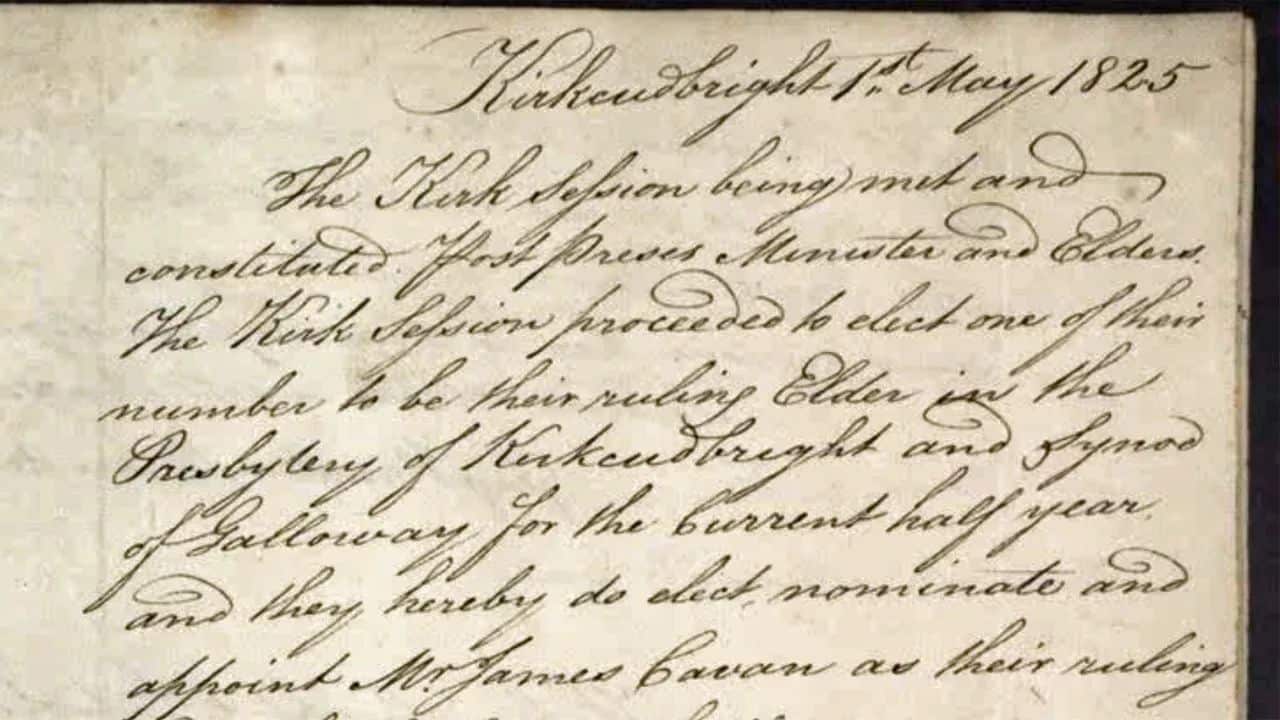
Scottish Kirk Session records have recently come online at ScotlandsPeople. Learn what they represent within the Scottish court process, how they operated and what you will find in the records. Understand how to identify the records needed, how to search and where to go next.
Religious records are essential in genealogy research. Do you know all ancestor’s religions? Review the Protestant Reformation and religions in the U.S. Find your ancestor.
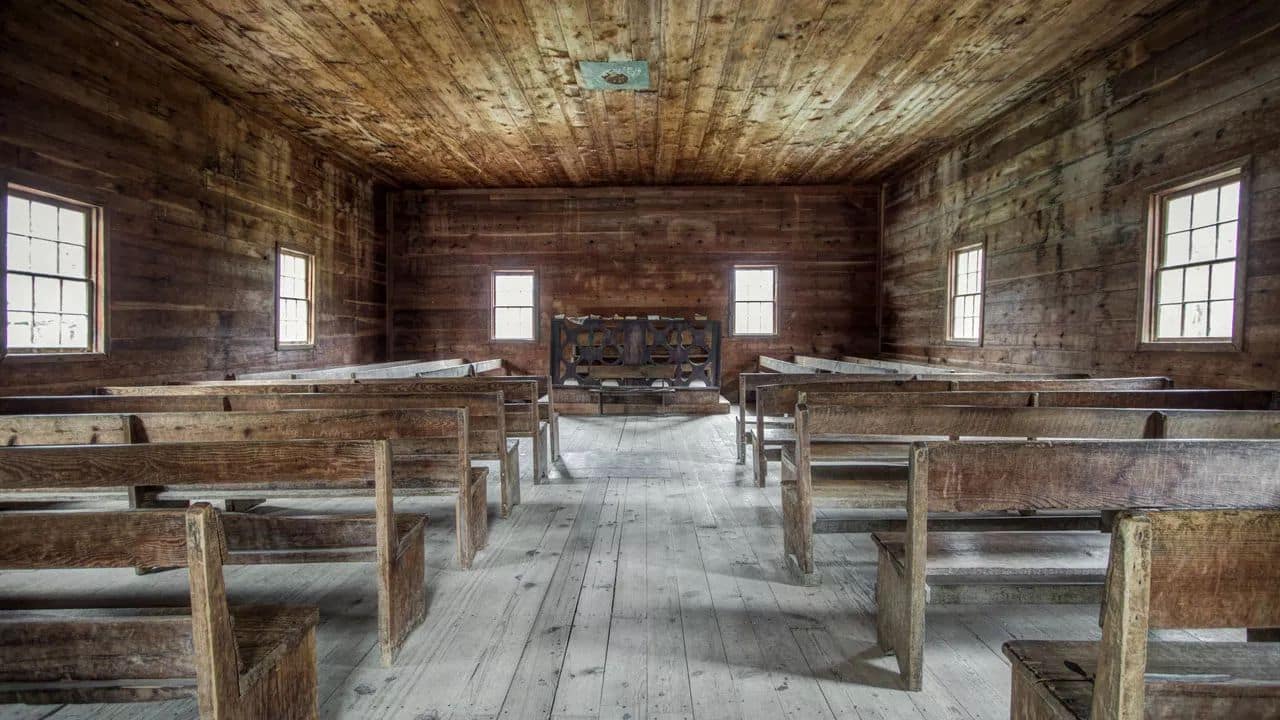
These 3 faiths dominated the 1800s religious scene in the United States. Learn a little of their intertwined history; explore a variety of sample records; and learn strategies for finding church records for Baptists, Methodists and Presbyterians.
The Moravians in the 1700s not only settled Bethlehem, Pennsylvania, but their mission work took them to other areas to work with Native Americans. Moravian records include Community Diaries which were required to be kept by each settlement. They were a way for them to record not only ecclesiastical events but other events that affected their settlement such as their interactions with native populations and slaves as they went about doing their missionary work. The German heritage of the Moravians shows in the details of naming visitors (along with any aliases) and relationships among the individuals mentioned. The Moravian records are truly a treasure-trove for anyone whose ancestors were in the same vicinity or time.
Catholic genealogical research has a depth unequaled by any other record group. The documents of the Catholic Church chronicle important events in the lives of members and can provide the key to uncovering otherwise impenetrable family mysteries. Author of the Catholic Genealogy Legacy QuickGuide™ and contributor to The Catholic Gene…
Foundations of Irish Genealogy 4: The Major Records III, Church Records
Before civil records started in 1864, Irish church records are often the only direct records of family events, and thus crucial to Irish genealogical research. This talk describes the locations and nature of the records, along with online and offline research strategies for the three major denominations, Roman Catholic, Church…
England and Wales – Rummaging in the Parish Chests
The parish registers of baptisms, marriages and burials in England and Wales give many genealogical clues to help build a family tree. Kirsty Gray also highlights other documents kept by the parish, the diocese and the archdeaconry and the invaluable information which can be gleaned about the lives of our…
You will learn about the methodology of using the baptismal, confirmation, marriage and burial records from German church registers most effectively. By utilizing the different bits of information found in each, researchers can zigzag their way to adding centuries to a pedigree.
Genealogy Meets the Internet Archive and AI: A Comprehensive Review
Wed, January 7 2026: 16:30 UTC
Learn to harness the Internet Archive’s free digital library—a treasure trove of digitized family histories, city directories, census and church records—to enrich your genealogy research. Learn how to build complex prompts to build an index of surnames on a 400 page genealogy book from 1898. Learn how to extract a list of migration routes from the same book, organized by surname, then in generation order, and placed in an Excel file. With the help of AI, you can get the most out of Internet Archive.
AI as Partner, Not Replacement: Human-Led Research Planning in the Sally Keaton Case by Nicole Elder Dyer
Wed, January 7 2026: 17:45 UTC
This lecture explores how modern AI tools can assist genealogical research planning through the case of Sally Keaton, where the objective was to identify her children using limited historical records and DNA evidence. The presentation demonstrates how to structure effective research plans with AI assistance, covering essential elements including clear objectives, summaries of known facts, working hypotheses, identified sources, and prioritized strategies. Using Sally Keaton’s case as the central example, the lecture showcases practical AI tools, such as side-by-side editors: Canvas (ChatGPT and Gemini) and Artifacts (Claude); also advanced capabilities including reasoning models and organizational tools like ChatGPT’s Projects, Claude’s Projects, Perplexity’s Spaces, and Gemini Gems. While AI can create research plans on its own, human-AI collaboration produces better results. When researchers guide and refine AI-generated strategies instead of using fully automated planning, they achieve more accurate results.
From Problem to Solution: A Case Study Approach to Using AI in Genealogy
Wed, January 7 2026: 20:30 UTC
Artificial intelligence is changing the way genealogists work—but how do you move beyond tips and tricks to apply AI in a sound, methodical way? In this session, Andrew Redfern demonstrates how a case study approach provides the answer. Using real examples, he walks through the stages of tackling a genealogical problem with AI, showing how tools can assist with transcription, analysis, correlation of evidence, and presentation of findings. Rather than treating AI as a shortcut, Andrew highlights how to integrate it into the established genealogical research cycle—problem definition, source gathering, analysis, and conclusion. Attendees will see how AI can clarify complex evidence, save time on repetitive tasks, and support storytelling, while still requiring human expertise and critical thinking. By the end of the session, participants will have a practical framework they can adapt to their own research problems, ensuring that AI becomes a trusted partner in genealogical methodology.
La fotografía de un desconocido: ¿punto de partida para una genealogía?
Tue, January 13 2026: 14:00 UTC
En la actualidad, cuando casi cualquier cosa pasa por la IA, el descubrimiento de una fotografía hecha a finales del siglo XIX o principios del siglo XX, no solo nos traslada a otro momento de la historia en el que el contexto era totalmente diferente, sino que nos abre las posibilidades de estudio de una persona y de una familia. Pero, además, ¿qué nos aporta una fotografía de un desconocido? ¿cuánto podemos averiguar de él y de su entorno? Una fotografía es un documento de memoria colectiva y, como tal, aporta una fuente de información sobre estructura familiar, estilo de vida y valores sociales de la época.
Using MyHeritage in Your Genealogical DNA Testing Plan
Tue, January 13 2026: 19:00 UTC
We often need other family members to take a DNA test for us to help us solve our genealogical problems. We’ll discuss ways MyHeritage can help us find, test, and collaborate with our DNA cousins.
By registering, you are submitting your information to Legacy Family Tree Webinars and agreeing to let us use it to contact you.
Thank you for registering!
You should receive a confirmation email with a link to the webinar soon.
You’ll also receive a reminder both the day before and one hour before the webinar begins. Didn’t receive a confirmation email?
You successfully registered for %s.
You should receive a confirmation email with a link to the webinar soon.
You’ll also receive a reminder both the day before and one hour before the webinar begins. Didn’t receive a confirmation email?