Find your colonial ancestors in the communities of New England with these fifteen strategies that cut through 400 years of changing records. Learn expert practices for accessing New England’s information and building evidence of lives long forgotten. Your early New England roots can come to life with these less-obvious sources and methods.
Researching the Great Migration of New England 1620-1640
This lecture details the resources available for researching your New England ancestors who arrived during the Great Migration from England from 1620-1640. Discussion of the scholarship and resources both published and online created by the Great Migration Study Project will be covered.
While many 17th-century Connecticut colonists have been researched and written about, there remain research challenges: distinguishing people with the same name, deciphering hard-to-read handwriting, understanding unique record sets, and more. This class examines the beginnings of Connecticut, New Haven, and Saybrook Colonies and the people who inhabited the lands prior to colonization. The class reviews published genealogical resources and record transcriptions and then presents strategies to locate and utilize primary sources. The webinar concludes with tips on overcoming common research challenges.
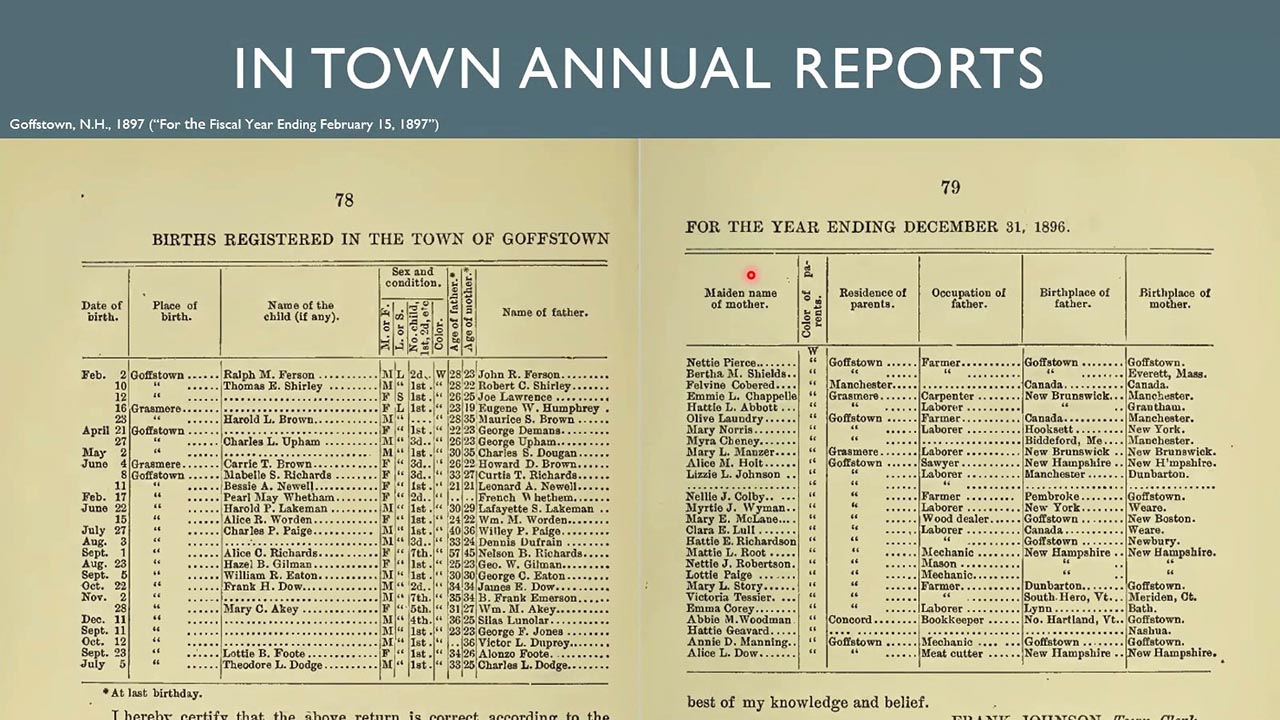
What are the secrets to finding New England vital records today? If you understand how they were made, and all the things that have happened to them since, you will bring new skills and insight to your vital records research. Also, let’s develop some strategies for those times when the record cannot be found.
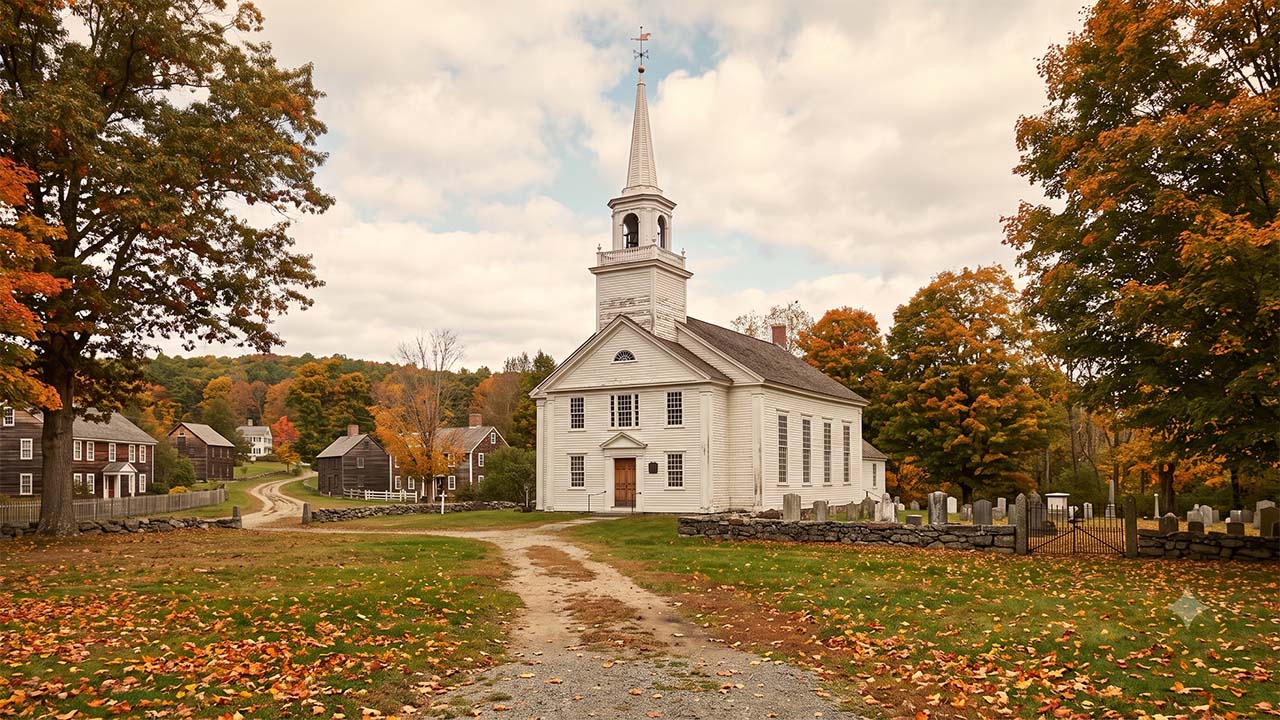
New England town records represent a unique resource for Family historians. Early settlers from England brought their traditions of town governance to the new world, including their ideas of legal matters and record keeping. The result is a treasure trove of documents that capture aspects of our ancestors’ lives as they went about their day-to-day business. These records are especially valuable for the 17th and 18th centuries as many other records may not have survived. This webinar covers not only vital record sources but also records from the Town Treasurer, Overseers of the Poor, and the Selectmen.
Researching ancestors who lived in colonial New England can be challenging. This webinar begins by tracing settlement patterns, setting the stage for understanding key records and where to find them. For the 17th century, many unique published resources exist to help the family researcher. During the colonial years, several conflicts such as King Philip’s War and the Seven Years War affected settlement and thus the surviving records. The 18th century culminated in the Revolutionary War, but also saw the continued growth of settlement and ultimately resources for the family historian.
A Terrible Malady: Disease and Epidemics in New England
Epidemics of smallpox, measles, yellow fever, diphtheria and other illnesses were common ailments in New England from colonial times up through the 19th century. Learn more about these diseases, why they were so greatly feared by your ancestors, and remedies they may have used.
The Firelands, The Connecticut Western Reserve, and the Ohio Territory
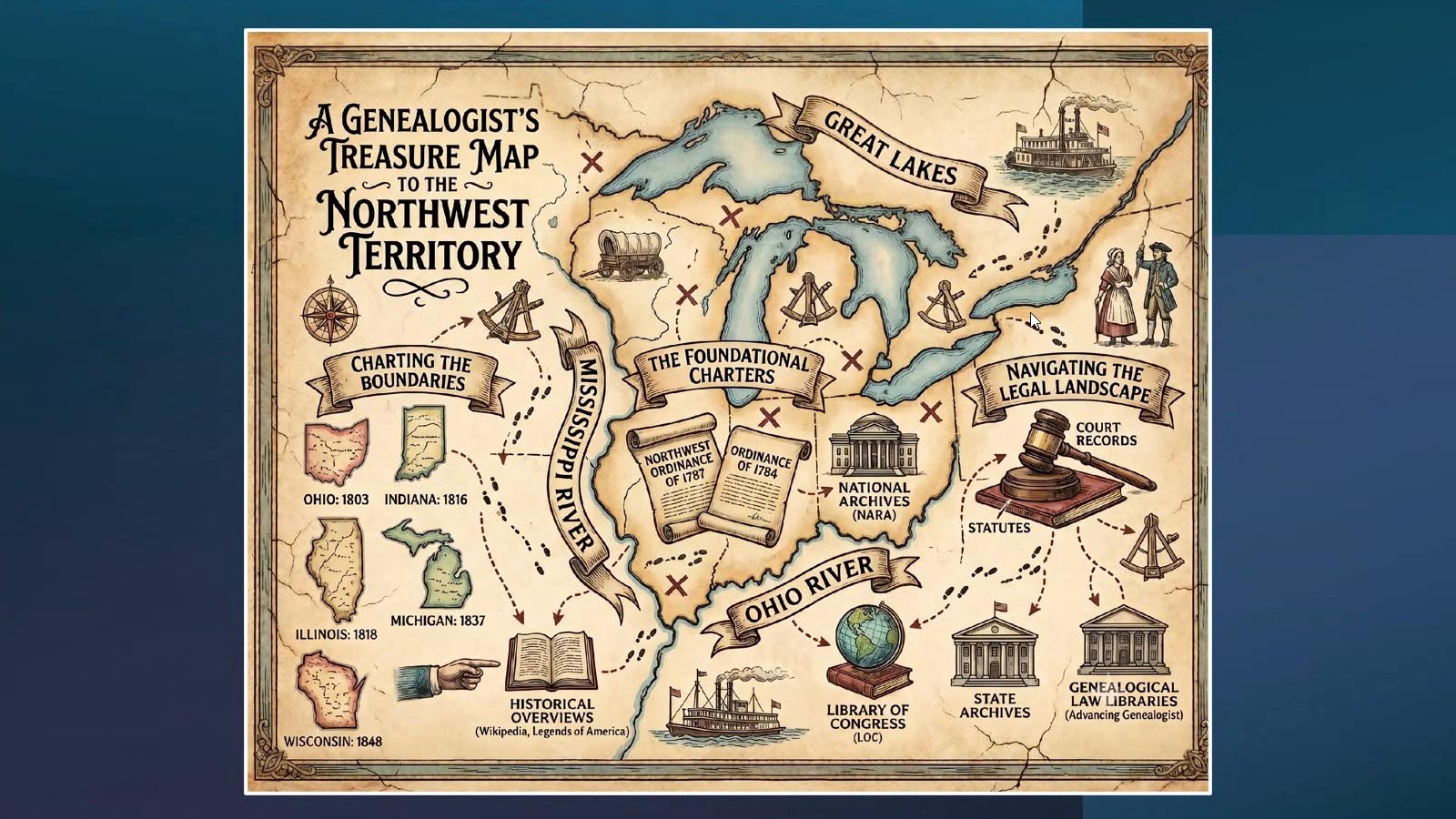
The northeastern lands of Ohio are aptly named “The Firelands”, and “The Western Reserve”. How did they come to be called that? And, what connection do they have to the northeastern states? “Ohio fever” brought a lot of settlers to the state following the Northwest Ordinance of 1787. A section…
Looking After the Poor: Finding Your Ancestors in New England Poverty Records
Come find out about “strangers taken in” records, “warning out” records and settlement law. Settlement law impacted all New Englanders whether rich or poor, transient or long-time resident. Discover what records were created as a result and why. You will be surprised at the level of detail you can find about your ancestors. Marian Pierre-Louis will take you into the depths of these rarely discussed New England records to reveal a wealth of information about your ancestors.
New England Deeds and Probate – A Powerful Combination (BONUS webinar for subscribers)
Did you know that all the members of a family may be named in an old deed? Have you ever tried to get a close-up view of what your ancestors wore and the tools they used from an estate inventory? Learn how to use the records in New England Registry…
Learn how to research your Connecticut ancestors. Discover what records are available, where they are located and how to put them to the best use. Marian, a native of Connecticut, grew up in a picturesque colonial town surrounded by historic houses and an ancient burial ground. During her childhood she…
This database of the Commonwealth War Graves Commission (CWGC) contains WWI and WWII military burials world-wide. Not all burials in CWGC cemeteries are military. Burials include civilians, diplomats, medical personnel, and volunteer aid workers, including women. Most CWGC cemeteries have burials of the unknown as well as Monuments listing the Missing. Some military burials in civilian cemeteries are in this database. Photos of headstones and lists of missing in several CWGC cemeteries in Italy are included. Advises on best utilization of CWGC search engines with different approaches. Information on identification of unknown burials, research possibilities, and CWGC outreach programs are available on the website.
Exploraremos la fascinante historia y las particularidades del sistema de apellidos en España y otros países hispanoparlantes. Descubriremos cómo la influencia visigoda, la adopción del sistema de doble apellido y las variaciones regionales han moldeado la identidad familiar a lo largo de los siglos. Aprenderemos a interpretar y comprender la información contenida en los apellidos, desentrañando su significado histórico y geográfico.
MyHeritage is constantly introducing new and exciting features to help users take their research to the next level. In this session, Itay will give a detailed walkthrough of the latest innovations designed to make building and improving your family tree easier than ever. Learn how to use a new wizard to quickly add close relatives, utilize updated views to easily spot and fill in missing facts on profile pages and your tree, and explore the new, intuitive “Spider” for simple individual additions. Subscribers will also see the new photo widget on the homepage, highlighting MyHeritage’s powerful photo features. Itay will show you how to make the most of these new tools and give a peek behind the scenes at how they were developed.
Scattered Leaves: Reconnecting family branches with DNA
Thu, December 11 2025: 1:00 UTC
When our families scattered across the globe, they often left close family behind. The family connections were lost over the subsequent generations. Now through family history research and DNA we are reconnecting with the branches of our family tree as shown in these case studies.
Ancêtre militaire : de carrière ou appelé ? (XIXe-XXe siècles) – Explorer des parcours uniques
Tue, December 16 2025: 14:00 UTC
Les archives militaires sont une véritable mine d’or pour les recherches généalogiques et biographiques. Grâce à elles, chaque généalogiste peut redonner vie aux parcours de ses ancêtres, qu’ils aient été soldats de carrière ou appelés du service militaire. Si la numérisation massive des fiches matricules de la Première Guerre mondiale a largement facilité les recherches, elle ne doit pas occulter la richesse des autres périodes. Du XIXe au XXe siècle, chaque époque — en temps de paix comme en temps de guerre — offre des pistes passionnantes et complémentaires. Au Service historique de la Défense, aux Archives départementales, ou encore en ligne, les sources sont nombreuses. Il s’agit surtout de connaître les bonnes méthodes pour avancer avec succès. Ce webinaire vous guidera pas à pas pour découvrir, comprendre et exploiter pleinement ces ressources, afin de retracer des parcours militaires uniques et d’enrichir votre histoire familiale.
By registering, you are submitting your information to Legacy Family Tree Webinars and agreeing to let us use it to contact you.
Thank you for registering!
You should receive a confirmation email with a link to the webinar soon.
You’ll also receive a reminder both the day before and one hour before the webinar begins. Didn’t receive a confirmation email?
You successfully registered for %s.
You should receive a confirmation email with a link to the webinar soon.
You’ll also receive a reminder both the day before and one hour before the webinar begins. Didn’t receive a confirmation email?