Watch Geoff Live: Adding a Marriage Record Using Legacy 10 (and a first look at the FAN Club report)
After all these years, Geoff has finally found the marriage record of his 4th great-grandparents. To celebrate, he’s inviting you to join him as he adds the new information to his personal Legacy 10 family file. In this live, unscripted, and unrehearsed webinar, you will learn the 7 steps of adding any online document to Legacy. And for the first time, you will get to see the new FAN Club report in action. You’ll be certain to pick up tips and tricks along the way.
After all these years, Geoff has finally found the marriage record of his 4th great-grandparents. To celebrate, he’s inviting you to join him as he adds the new information to his personal Legacy 10 family file. In this live, unscripted, and unrehearsed webinar, you will learn the 7 steps of adding any online document to Legacy. And for the first time, you will get to see the new FAN Club report in action. You’ll be certain to pick up tips and tricks along the way.
Legacy QuickTip: How to make a list of ancestors in Legacy from ___________?
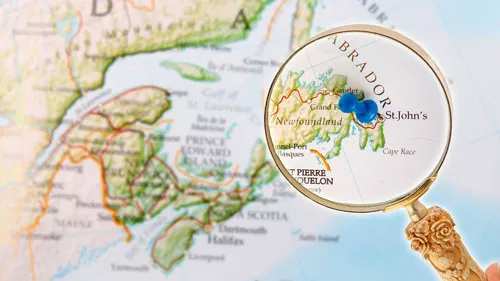
Join Legacy’s Geoff Rasmussen as he uses the Legacy Family Tree software to demonstrate how to create a list of ancestors who lived in a certain place.
Join Legacy’s Geoff Rasmussen as he uses the Legacy Family Tree software to demonstrate how to create a list of ancestors who lived in a certain place.
Watch Geoff Live: Adding a City Directory (among other things…)
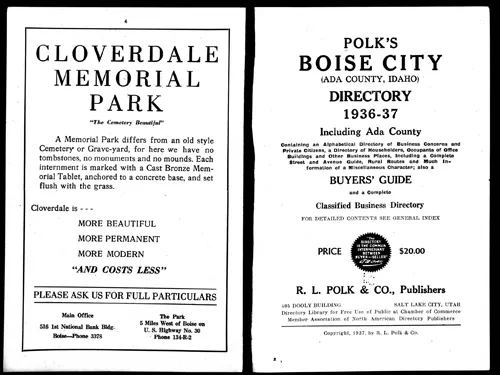
Geoff just discovered two incredible-to-him things about his great-grandfather – both from a city directory from MyHeritage’s new U.S. City Directories collection – and now he’s ready to add the new information to his personal tree in his Legacy Family Tree software. You’re invited to join Geoff as he does…
Geoff just discovered two incredible-to-him things about his great-grandfather – both from a city directory from MyHeritage’s new U.S. City Directories collection – and now he’s ready to add the new information to his personal tree in his Legacy Family Tree software. You’re invited to join Geoff as he does…
Legacy 9 Unlocked (part 9): Adding an Entry from an Online Database
In this class, “Adding an Entry from an Online Database,” you’ll learn the six steps of adding information from any online database to Legacy. You’ll also learn about the Find A Grave tool.
In this class, “Adding an Entry from an Online Database,” you’ll learn the six steps of adding information from any online database to Legacy. You’ll also learn about the Find A Grave tool.
DNA in Action 1 of 6: Proving Your Pedigree with DNA
Wed, February 18 2026: 19:00 UTC
The series begins with sound genealogy methodology and principles and then explains their logical extensions when using autosomal DNA as a source of information to answer focused research questions. Karen will use a case example to prove the documented ancestors are consistent with the genetic evidence on a selected ancestral line. This lecture focuses on methodology and decision-making.
The series begins with sound genealogy methodology and principles and then explains their logical extensions when using autosomal DNA as a source of information to answer focused research questions. Karen will use a case example to prove the documented ancestors are consistent with the genetic evidence on a selected ancestral line. This lecture focuses on methodology and decision-making.
Si les pierres tombales pouvaient parler, elles auraient beaucoup d’histoires à raconter. Mais elles ne le peuvent pas, c’est pourquoi BillionGraves est la meilleure alternative. BillionGraves est la plus grande base de données au monde sur les cimetières, reliée à un système GPS. Lorsque vous prenez des photos avec l’application BillionGraves sur votre téléphone, chaque pierre tombale est automatiquement marquée d’une position GPS. Les données sont ensuite transcrites par des bénévoles, reportées sur des plans de cimetières et conservées sur les sites web BillionGraves, FamilySearch et MyHeritage pour des millions de familles à travers le monde et pour les générations futures.
Les sous-titres et la voix de cette vidéo ont été doublés en français à l’aide de l’IA.
Si les pierres tombales pouvaient parler, elles auraient beaucoup d’histoires à raconter. Mais elles ne le peuvent pas, c’est pourquoi BillionGraves est la meilleure alternative. BillionGraves est la plus grande base de données au monde sur les cimetières, reliée à un système GPS. Lorsque vous prenez des photos avec l’application BillionGraves sur votre téléphone, chaque pierre tombale est automatiquement marquée d’une position GPS. Les données sont ensuite transcrites par des bénévoles, reportées sur des plans de cimetières et conservées sur les sites web BillionGraves, FamilySearch et MyHeritage pour des millions de familles à travers le monde et pour les générations futures.
Les sous-titres et la voix de cette vidéo ont été doublés en français à l’aide de l’IA.
Yorkshire was an area of great migration, those who moved within the county, those who moved in and out of the county and those who left Yorkshire and England. Most Europeans who emigrated travelled to America with more than 2 million English moving to America in the 1800s. The changes during the 1800s through the effects, and aftereffects, of the Industrial Revolution created great change in Yorkshire as well as the decline in lead mining and farming in rural areas and the Yorkshire dales. As people lost opportunities to earn a living in these areas they were pulled to the opportunities further afield, the mills towns in the West Riding of Yorkshire and Lancashire and further afield to America then later to Canada and Australia. As a member of a family emigrated this created a greater pull for friends and family to join them creating communities in another country. This was the case in New Diggings in Wisconsin where many people from Swaledale and Wensleydale left the declining lead mines to start new lives in the growing mines of America. This talk will explore the people who emigrated, the villages they left and the communities they joined along with the Yorkshire surnames which are now part of American life. Oral histories documented in the book ‘Those Who Left the Dales’ by the Upper Dales Family History Group are referred to as well as immigration records and original documents held at North Yorkshire Archives including the publication ‘History of New Diggings’ and a Dakota ‘recruiting’ lecture given in Wensleydale. The talk will provide an insight into the reasons for leaving Yorkshire, particularly the Yorkshire Dales, and the lives of those who emigrated.
Yorkshire was an area of great migration, those who moved within the county, those who moved in and out of the county and those who left Yorkshire and England. Most Europeans who emigrated travelled to America with more than 2 million English moving to America in the 1800s. The changes during the 1800s through the effects, and aftereffects, of the Industrial Revolution created great change in Yorkshire as well as the decline in lead mining and farming in rural areas and the Yorkshire dales. As people lost opportunities to earn a living in these areas they were pulled to the opportunities further afield, the mills towns in the West Riding of Yorkshire and Lancashire and further afield to America then later to Canada and Australia. As a member of a family emigrated this created a greater pull for friends and family to join them creating communities in another country. This was the case in New Diggings in Wisconsin where many people from Swaledale and Wensleydale left the declining lead mines to start new lives in the growing mines of America. This talk will explore the people who emigrated, the villages they left and the communities they joined along with the Yorkshire surnames which are now part of American life. Oral histories documented in the book ‘Those Who Left the Dales’ by the Upper Dales Family History Group are referred to as well as immigration records and original documents held at North Yorkshire Archives including the publication ‘History of New Diggings’ and a Dakota ‘recruiting’ lecture given in Wensleydale. The talk will provide an insight into the reasons for leaving Yorkshire, particularly the Yorkshire Dales, and the lives of those who emigrated.
Las 10 bases de datos más útiles para la investigación sobre Europa del Este
Tue, February 24 2026: 14:00 UTC
Con más información disponible en línea, a menudo es posible encontrar registros clave de sus antepasados de Europa del Este en bases de datos gratuitas y de suscripción. Obtenga información sobre los distintos conjuntos de registros disponibles, cómo acceder a ellos y cómo superar los problemas de privacidad e idioma, así como otros obstáculos para la investigación.
Los subtítulos y la voz de este vídeo se han doblado al español utilizando IA.
Con más información disponible en línea, a menudo es posible encontrar registros clave de sus antepasados de Europa del Este en bases de datos gratuitas y de suscripción. Obtenga información sobre los distintos conjuntos de registros disponibles, cómo acceder a ellos y cómo superar los problemas de privacidad e idioma, así como otros obstáculos para la investigación.
Los subtítulos y la voz de este vídeo se han doblado al español utilizando IA.
We are so busy searching and documenting the past and our ancestors, but don’t stop to think that someday we will be the ancestors of someone. What are we leaving behind besides the genealogical legacy? Will our descendants know who WE really were? our unique voice, our feelings and experiences, what messages and lessons do we leave behind?
We are so busy searching and documenting the past and our ancestors, but don’t stop to think that someday we will be the ancestors of someone. What are we leaving behind besides the genealogical legacy? Will our descendants know who WE really were? our unique voice, our feelings and experiences, what messages and lessons do we leave behind?
Confusion. Too many “favorites” lists. Too many “Top 100” lists. Too many opinions. Indeed, that’s just what the myriads of “top website” lists are: somebody’s opinion. Well, it’s time to make a better and truly useful list! Based on an extensive study of genealogical web traffic, here are the 50 most visited real genealogy websites. Since these are the most visited sites, they must be doing something right and providing some value to their visitors. Count them down, and learn what you’ve been missing!
Confusion. Too many “favorites” lists. Too many “Top 100” lists. Too many opinions. Indeed, that’s just what the myriads of “top website” lists are: somebody’s opinion. Well, it’s time to make a better and truly useful list! Based on an extensive study of genealogical web traffic, here are the 50 most visited real genealogy websites. Since these are the most visited sites, they must be doing something right and providing some value to their visitors. Count them down, and learn what you’ve been missing!
By registering, you are submitting your information to Legacy Family Tree Webinars and agreeing to let us use it to contact you.
Thank you for registering!
You should receive a confirmation email with a link to the webinar soon.
You’ll also receive a reminder both the day before and one hour before the webinar begins. Didn’t receive a confirmation email?
You successfully registered for %s.
You should receive a confirmation email with a link to the webinar soon.
You’ll also receive a reminder both the day before and one hour before the webinar begins. Didn’t receive a confirmation email?