The Largest Diocese: History and Records of the Archivo Histórico del Arquidiócesis of Guadalajara
Fri, March 20 2026: 18:00 UTC
Overview of the history of the Guadalajara archdiocese and its changing boundaries, which impact research throughout many regions of Mexico. We will also review the collections held by the Archdiocese archives and what is available online and in-person.
From swords to settlers: Researching conquistador ancestors in 16th century New Spain (Mexico)
Fri, May 15 2026: 18:00 UTC
Many families in Mexico and beyond descend from the first Spanish conquerors and settlers of New Spain. This webinar will guide you through key sources and strategies to identify conquistador ancestors in the 1500s. Learn how to navigate both Spanish and colonial archives, and to connect names across centuries from books, contemporary chronicles, petitions to the Spanish government, and more.
Wills and Testaments in the Spanish Colonial Southwest
Fri, July 17 2026: 18:00 UTC
This presentation uncovers the genealogical treasures hidden within Spanish colonial wills and testaments. Far more than simple legal documents, these records provide rare insights into family relationships, inheritance patterns, and extended kinship networks that shaped colonial communities. Detailed inventories of clothing, household goods, livestock, and personal possessions offer intimate glimpses into the daily lives of our colonial ancestors — revealing their values, cultural traditions, devotion to faith, and resilience on the far edges of the Spanish frontier. Attendees will also learn where to locate these records, how to analyze their contents, and effective strategies for integrating them into personal research to build richer, more accurate family histories.
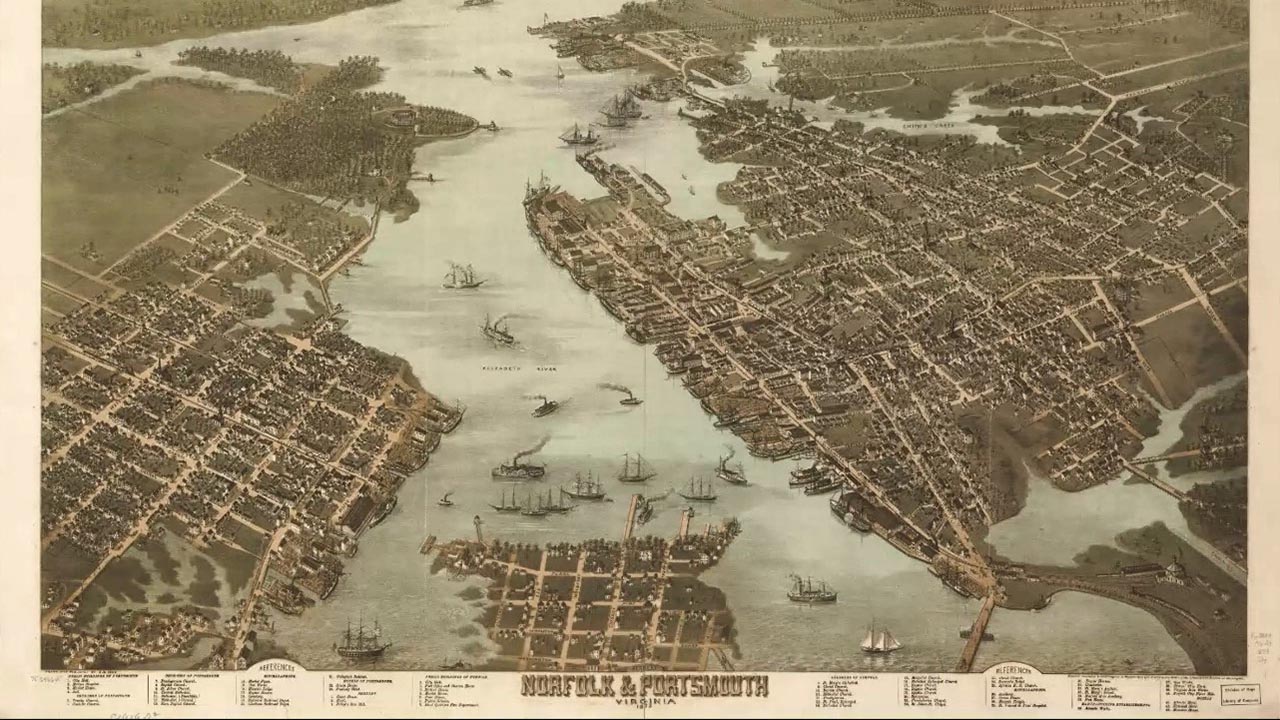
Los mapas históricos son herramientas indispensables para comprender el contexto en el que vivieron nuestros antepasados. Este webinar ofrecerá una introducción clara y práctica al uso de la cartografía mexicana—desde la época colonial hasta el siglo XX—como apoyo para la investigación genealógica. Se presentarán distintos tipos de mapas, incluyendo cartas topográficas, mapas municipales, planos de haciendas y ciudades, mapas censales, delimitaciones de pueblos de indios y documentos agrarios del periodo posrevolucionario. A través de ejemplos reales, los asistentes aprenderán a identificar cambios en nombres de localidades, límites jurisdiccionales y estructuras territoriales que frecuentemente complican la búsqueda de registros. Además, se mostrarán recursos digitales y archivos mexicanos que conservan colecciones cartográficas de acceso público.
Husband, Father, and Revolutionary: The Case of Ramón Treviño
Fri, September 18 2026: 18:00 UTC
Listen to the powerful and fascinating story of Mexican revolutionaries as we examine records from both sides of the border to trace the movements (and confirm the identity) of Ramón Treviño, who was surveilled by Mexican and U.S. authorities in the lead-up to the revolution.
¡Eureka! Confirmación del Lineaje Ancestral: DNA and Documents Prove a Mexican Ancestral Line (a 2026 Reisinger Lecture)
Wed, October 21 2026: 0:00 UTC
Karen will illustrate the genetic confirmation of a Mexican ancestral line that goes back four generations to a small town in Guanajuato, Mexico. Integration of evidence from DNA tests and original records meets the Genealogical Proof Standard. Lecture in English using Mexican records.
Taking a Deep Dive into Mexico – U.S. Border Crossing Records
Fri, November 20 2026: 19:00 UTC
The documents found in the U.S. border crossing record collections are packed with valuable information often missed when researching Mexican immigrants. This webinar covers historical legal context pertaining to record keeping at the Mexican border, examines the most common types of documents in these collections, and highlights situations specific to researching Mexican families. Learn how to decipher clues found in these records that lead to other important immigration records and how to obtain those.
Yorkshire was an area of great migration, those who moved within the county, those who moved in and out of the county and those who left Yorkshire and England. Most Europeans who emigrated travelled to America with more than 2 million English moving to America in the 1800s. The changes during the 1800s through the effects, and aftereffects, of the Industrial Revolution created great change in Yorkshire as well as the decline in lead mining and farming in rural areas and the Yorkshire dales. As people lost opportunities to earn a living in these areas they were pulled to the opportunities further afield, the mills towns in the West Riding of Yorkshire and Lancashire and further afield to America then later to Canada and Australia. As a member of a family emigrated this created a greater pull for friends and family to join them creating communities in another country. This was the case in New Diggings in Wisconsin where many people from Swaledale and Wensleydale left the declining lead mines to start new lives in the growing mines of America. This talk will explore the people who emigrated, the villages they left and the communities they joined along with the Yorkshire surnames which are now part of American life. Oral histories documented in the book ‘Those Who Left the Dales’ by the Upper Dales Family History Group are referred to as well as immigration records and original documents held at North Yorkshire Archives including the publication ‘History of New Diggings’ and a Dakota ‘recruiting’ lecture given in Wensleydale. The talk will provide an insight into the reasons for leaving Yorkshire, particularly the Yorkshire Dales, and the lives of those who emigrated.
Breaking the 1870 Brick Wall: Comprehensive Strategies for Tracing Formerly Enslaved African American Ancestors
Overcoming the 1870 brick wall in African American genealogy is challenging, but possible. This session presents a clear, step-by-step roadmap for tracing formerly enslaved ancestors using the Genealogical Proof Method. Learn how to reconstruct the freedmen generation, identify potential enslavers, and mine enslaver records for hidden ancestral clues. We’ll explore records on Ancestry and FamilySearch, including census and vital records, Freedmen’s Bureau files, cohabitation records, and estate records. If you’re ready to move beyond 1870 and build a fuller picture of your family’s past, this webinar will equip you with the tools and confidence to begin.
Leyes de Indias: Leyes coloniales españolas y los registros que generaron
Desde la planificación urbanística hasta las relaciones con los nativos, «Las Leyes de Las Indias» gobernaron las colonias españolas de América del Norte y más allá, y crearon registros únicos para la investigación de cualquier persona con vínculos ancestrales con la América española.
Los subtítulos y la voz de este vídeo se han doblado al español utilizando IA.
Desde la planificación urbanística hasta las relaciones con los nativos, «Las Leyes de Las Indias» gobernaron las colonias españolas de América del Norte y más allá, y crearon registros únicos para la investigación de cualquier persona con vínculos ancestrales con la América española.
Los subtítulos y la voz de este vídeo se han doblado al español utilizando IA.
Discovering your Eastern European Ancestors on MyHeritage
If you have Eastern European ancestors, you are probably wondering how to begin your family history search. Come and learn about how MyHeritage can get you started in your family history challenge.
Using Marriage Dispensations to Find Ancestors in Mexico
Marriage dispensations provide a privileged window into social and family life in viceroyal Mexico. Dispensations, or special permissions to marry granted by Catholic bishops, reveal the obstacles that had to be resolved before ecclesiastical authorities in order to contract marriage. This webinar examines dispensations for consanguinity and for ultramarinos (foreign-born individuals). In areas with high levels of endogamy, marriage dispensations become essential resources to reconstruct family relationships, even extending beyond other church records.
¿Cómo se deletrea tu Apellido? Historia y Particularidades de los Apellidos Españoles
Exploraremos la fascinante historia y las particularidades del sistema de apellidos en España y otros países hispanoparlantes. Descubriremos cómo la influencia visigoda, la adopción del sistema de doble apellido y las variaciones regionales han moldeado la identidad familiar a lo largo de los siglos. Aprenderemos a interpretar y comprender la información contenida en los apellidos, desentrañando su significado histórico y geográfico.
English DNA Matches: Tools for quickly building modern trees
Many English DNA matches have rudimentary online trees. Learn about online resources for quickly and inexpensively extending the trees to find possible connections. Many North Americans have limited or no understanding of twentieth century online records that can be used to extend rudimentary or no online trees for their English DNA matches. There is a big need to be able to get the trees far enough back in time to possibly find the nearest common ancestors. This presentation will look at the different record groups explaining, with examples, how to use the different records together, and the time periods for which they are appropriate. Records discussed with illustrations and limitations include: – Civil Registration – Probate – Cemeteries / Crematoriums – Newspapers – Funeral notices – Voter registrations – Telephone directories – More
By registering, you are submitting your information to Legacy Family Tree Webinars and agreeing to let us use it to contact you.
Thank you for registering!
You should receive a confirmation email with a link to the webinar soon.
You’ll also receive a reminder both the day before and one hour before the webinar begins. Didn’t receive a confirmation email?
You successfully registered for %s.
You should receive a confirmation email with a link to the webinar soon.
You’ll also receive a reminder both the day before and one hour before the webinar begins. Didn’t receive a confirmation email?