The perfect starting point for those who are new to genealogy. Watch the foundational series in Family History or DNA and learn from other introductory webinars.
Essential Skills for New Genealogists 1 of 12: Hail the Hunter Gatherer—Finding What You Already Have
Fri, February 6 2026: 19:00 UTC
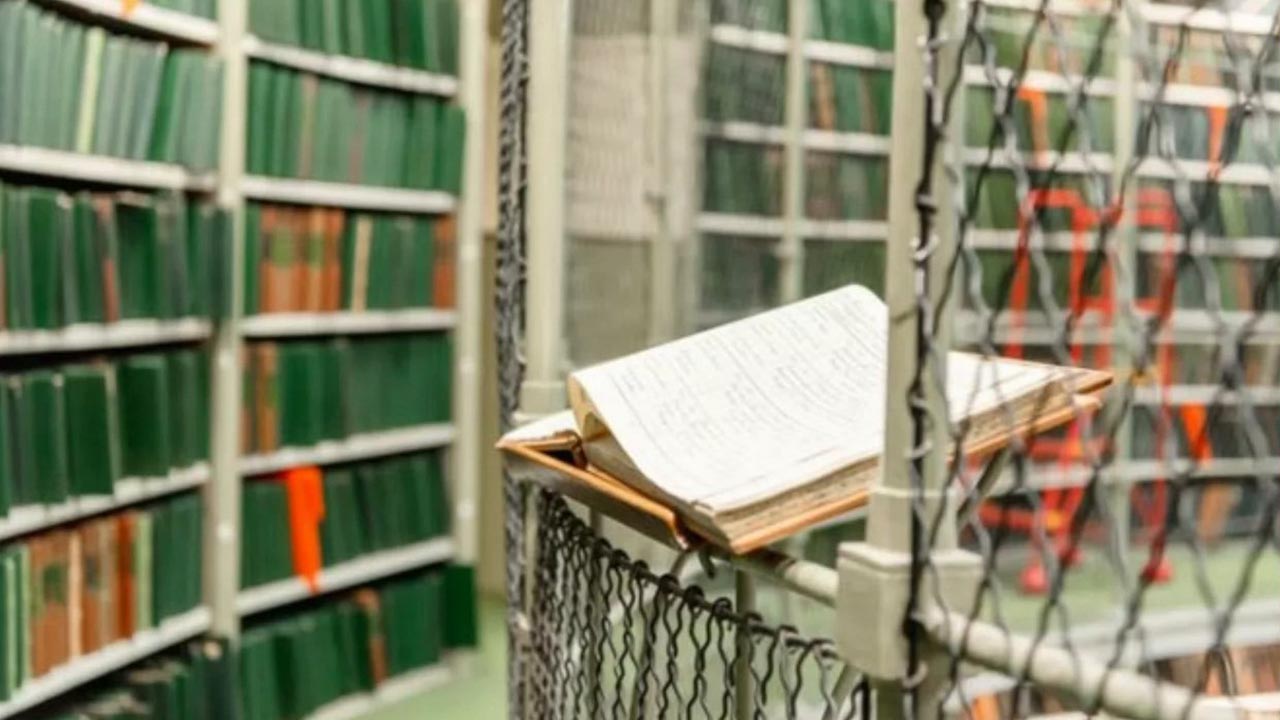
An overview of home resources and outreach to family members whose memories and insights can help start the process off right—how things on a bookshelf or a storage box can be of especial use, and a source of clues…if not outright answers.
Essential Skills for New Genealogists 2 of 12: Vital Records—Records of Hatchings, Matchings & Dispatchings
Fri, April 24 2026: 18:00 UTC
General Discussion of access to vital records; breakdown and analysis of the types of information on what’s included in each of these records; locating the records, and gaining access; privacy restrictions; some early lessons in evidence analysis.
Essential Skills for New Genealogists 3 of 12: U.S. Census Records from 1790-1950 and Beyond
Fri, June 5 2026: 18:00 UTC
Background on census creation; constitutionally-mandated headcount; pre-1820 tables and their use; 1830 & 1840, with the slave schedules; 1850-70, including the mortality schedules; 1880, and relationships to heads of household; 1890 and its destruction; 1900-1910, with special questions; 1920-1950 with their special characteristics (1920: date; 1940, informant’s identity, etc.).
Essential Skills for New Genealogists 4 of 12: Read All About It! Newspapers, Periodicals
Fri, August 7 2026: 18:00 UTC
Accessing newspapers both in local repositories and via online resources; beginning information on periodicals and specialized publications; ethnic newspapers for research in the 19th Century; newspaper research for context of time and place.
Essential Skills for New Genealogists 5 of 12: Let Your Fingers Do the Walking—Local Directories of All Sorts
Fri, October 23 2026: 18:00 UTC
City directories, telephone books; trade directories and yearbooks (schools and community organizations); the resources’ use in placing a research target in their own time and place.
Essential Skills for New Genealogists 6 of 12: Church & Religious Records for Fun & Prophet!
Fri, December 4 2026: 19:00 UTC
Typical church records in the Christian context and their use. Evaluation of baptismal/dedication records and their use as substitutes when vital records are absent; marriage records with additional clues included; burial records and their utility; cemeteries, public and private; discussion of Jewish congregational records.
¿Cómo se deletrea tu Apellido? Historia y Particularidades de los Apellidos Españoles
Exploraremos la fascinante historia y las particularidades del sistema de apellidos en España y otros países hispanoparlantes. Descubriremos cómo la influencia visigoda, la adopción del sistema de doble apellido y las variaciones regionales han moldeado la identidad familiar a lo largo de los siglos. Aprenderemos a interpretar y comprender la información contenida en los apellidos, desentrañando su significado histórico y geográfico.
Start Your Family History Journey for Free with MyHeritage
Genealogy doesn’t have to be expensive—MyHeritage offers a range of free tools to get you started. This session will walk you through how to begin your family history journey without spending a dime. Discover how to build a basic family tree, explore free records, and utilize MyHeritage’s free trials and features to uncover your roots.
Beginning Your Genealogy Journey: 8 Steps to Getting Started
The desire to discover our ancestors continues to grow in popularity with the addition of online trees, genealogy TV shows, and the popularity of DNA tests. In this presentation, we will look at how to begin to create a family tree, learn what documents may provide information, and how and where to find them. Using a research plan, organization, and avoiding mistakes are also important habits for every beginner to understand and implement from day one. This presentation will give beginners the confidence they need to begin and move forward with building a correct family tree.
Get some great tips from this genealogist who had to learn the basics the hard way, plus a few smart tricks she picked up from experts along the way. You can start smarter than I did!
Getting Started in Family History – 12 – Avoiding Mistakes
There are some common mistakes that beginners make when starting genealogy research. This webinar lists the most commone ones and how to overcome them.
By registering, you are submitting your information to Legacy Family Tree Webinars and agreeing to let us use it to contact you.
Thank you for registering!
You should receive a confirmation email with a link to the webinar soon.
You’ll also receive a reminder both the day before and one hour before the webinar begins. Didn’t receive a confirmation email?
You successfully registered for %s.
You should receive a confirmation email with a link to the webinar soon.
You’ll also receive a reminder both the day before and one hour before the webinar begins. Didn’t receive a confirmation email?