



Investigate the methods and documentation in which enslavers acquired their commodities of African descent to enter the economic system of slavery.
In this compelling webinar from the African Diaspora Series by Legacy Family Tree, historian and genealogist LaDonna Garner examines the often-overlooked records and business practices of enslavers in early America. Titled “The Business of Enslavers: Acquiring Human Inventory,” the presentation urges genealogists to confront the uncomfortable realities of slavery by studying it from the perspective of the enslaver—an approach that can unlock hidden insights into the lives of the enslaved. Through the case study of the Trigg family, Garner traces generational patterns of ownership, migration, and economic enterprise, revealing how the business of slavery intersected with education, law, and commerce. Her presentation not only broadens traditional genealogical methods but also challenges researchers to consider the social and economic systems that sustained enslavement across states such as Virginia, Kentucky, Mississippi, and Missouri.
Key Insights and Takeaways
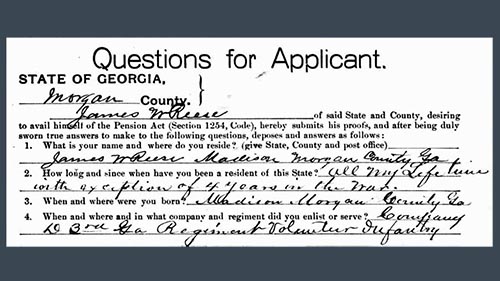
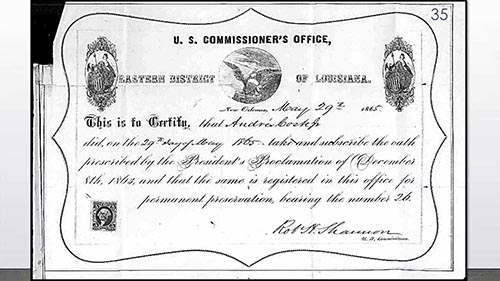
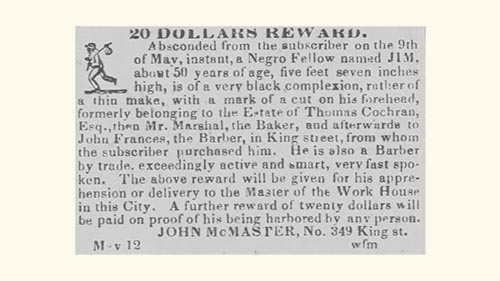
Understanding the Enslaver’s Records: Garner demonstrates how studying the enslaver’s activities—via wills, probate files, business directories, insurance policies, and slave schedules—can expose connections, ownership transfers, and clues about the enslaved. These records, though painful, help restore identities to those previously reduced to property.
Economic and Educational Systems of Slavery: The webinar highlights how enslavers received education in accounting and management to sustain their “business,” with period manuals and publications teaching plantation operations. This underscores how systemic enslavement was woven into broader economic and institutional structures.
Modern Research Tools and Ethical Approaches: Garner encourages genealogists to expand their searches using AI-assisted browsers, full-text searches, and online databases such as the National Archives and state-level insurance registries. She also emphasizes reading historical sources within their period context, reminding researchers to balance technical skill with cultural sensitivity.
Garner’s analysis reframes genealogical research as both historical recovery and moral reckoning. By following her methods, genealogists can uncover new documentation trails that deepen understanding of ancestral experiences within the broader economic framework of slavery.
To explore these insights further, viewers are encouraged to watch the full webinar recording on the Legacy Family Tree Webinars platform. The complete presentation offers valuable demonstrations, resource links, and live examples that cannot be fully captured in summary. Genealogists seeking to expand their research into African American and antebellum history will find the webinar—and the extensive syllabus materials—an indispensable guide to navigating one of genealogy’s most complex and essential topics.










 Facebook
 X
X
 Syllabus


An excellent presentation! Very informative and interesting. Does LaDonna have any recommendations for good books that would provide a deeper dive into this topic? Thanks again for a great webinar. Dan Nilan
An excellent presentation. It broadened my perspective in researching my ancestor. I will add to my research by looking at the enslaver.
I have attended other presentations by Ms. Garner. Once again, she did not disappoint. She has given me additional ideas for use in my research. Ms. Garner was organized and very knowledgeable of the subject matter.
La Donna’s coverage of a case study format was very helpful. It gave me the important things to look for in my search in addition to providing sources.
Thank you, Ladonna. I have an ancestor who was an enslaved in Virginia and you have given me more tools for identifying those who he enslaved.
very interesting to learn about different ways to research this topic
Excellent presentation!! Very informative. I believe it will help me in my search for further information about my enslaved ancestors.
loved the pace and the topic and the new insights it gave me.