



X-chromosome DNA is often one of the hidden gems of the genetic genealogy world especially when used in conjunction with autosomal DNA. This webinar will present an overview of the unique inheritance patterns of X-DNA and set out how and why X-DNA matching differs from atDNA matching. Michelle will guide you through the advantages of utilizing X-chromosome data and demonstrate how to use it to effectively narrow down and identify connections with your DNA matches. She will also cover which companies provide access to X-DNA data, include an array of tips on how to set yourself up to succeed with X-DNA and provide genuine case study examples that show what can be achieved when you harness this powerful type of DNA.
This webinar, Unlocking the X Factor: Key Tips for Using X-DNA in Your Research, shows how an often-overlooked type of DNA evidence can dramatically narrow the search for elusive ancestors. Scottish genetic genealogist Michelle Leonard explains X-chromosome inheritance in clear, practical terms, then demonstrates how to apply it to real matches using modern tools. Instead of treating X-DNA as a curiosity, the session reframes it as a targeted “clue tool” that can eliminate whole branches of a family tree and highlight the likeliest paths to a shared ancestor.
Understanding who can—and cannot—pass on X-DNA
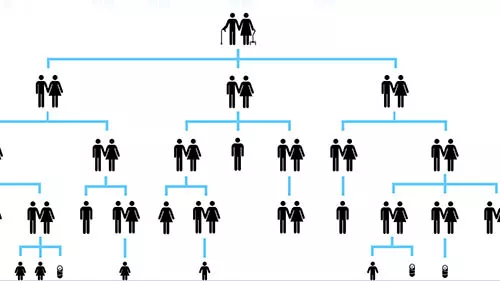
The webinar carefully walks through male and female inheritance patterns, showing why men receive X-DNA only from their mothers and why certain “male-to-male” lines can be ruled out immediately. Color-coded X-DNA charts for males and females illustrate exactly which ancestors are candidates for contributing X-DNA—and which quarters of the tree can be excluded from investigation.
Targeted analysis using charts, tools, and real-life case studies
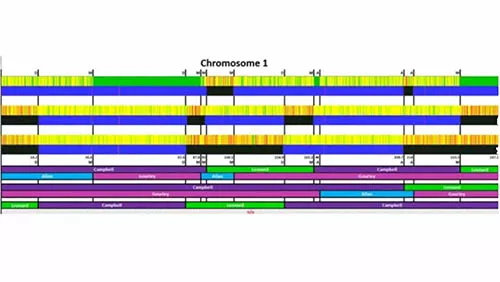
Leonard demonstrates how to fill in X-DNA inheritance charts (such as those from GenealogyJunkie) and how to highlight X-DNA paths in DNA Painter. She then moves to FamilyTreeDNA and GEDmatch to show, step by step, how to filter match lists, use chromosome browsers, apply sensible segment-size thresholds, and compare known relatives to distinguish genuine X-matches from misleading or false ones.
Advanced insights: disproportional X-lines, uploads, and tricky scenarios
A particularly powerful concept is the “disproportionate X-line,” where alternating male–female generations allow substantial X-DNA to survive from surprisingly distant ancestors. The webinar also explains why uploading tests from sites that don’t display X-DNA (e.g., Ancestry, MyHeritage) to FamilyTreeDNA or GEDmatch can reveal major X-segments that are otherwise invisible, and addresses complicating factors such as endogamy, zero-X matches among relatives, and situations where autosomal and X-DNA may point to different relationships.
Genealogists who want to turn X-DNA from something confusing into a precise research asset are encouraged to watch the full webinar. The complete session walks through live examples, visual demonstrations, and nuanced troubleshooting that go well beyond what a summary can convey, helping viewers confidently integrate X-DNA with autosomal evidence and traditional research. After viewing, exploring the additional resources in the syllabus—such as recommended charts, online tools, and further reading—will provide practical next steps for applying these strategies to personal DNA matches and long-standing family mysteries.








 Facebook
 X
X
 Syllabus


Fantastic presentation. The best explanation of how to use X-DNA that I have heard. Michelle is my favorite presenter. More please.
I have really missed Michelle’s DNA webinars this year. She is outstanding. Hope she does a lot next year.
Extremely informative. Loved it!
Michelle is always so informative, providing clear information. She always makes me think about how I can use this information in my research.
One of the best DNA webinars I attended
I’m glad I got back home in time to tune into this webinar! I already knew about the uniqueness of the X-DNA inheritance path, but wasn’t entirely sure how it could be used and analyzed, other than to compare to see if two women have the same father. The presentation and handout are very helpful in showing me how best to make full use of the X-DNA information that is available, and how to see if an X-DNA match is worth pursuing.
Michelle has an excellent style and consistency to her talks which helps with understanding. She uses clear diagrams with great examples to help cement the concept she is explaining. I thoroughly enjoy her lectures.
This presentation made me understand DNA better.