



The census is one of our basic research tools, but basic doesn’t equal simple. Often a census record can raise as many questions as it answers, and some of those questions may seem unanswerable. Learn how an understanding of who the enumerators were, what their instructions prescribed, and some of the many ways they deviated from the instructions can answer many of the questions raised by census research.
The U.S. Federal Census is a cornerstone of family history, yet many researchers only scratch the surface of these vital records. In “Advanced Census Research: Understanding Census Enumerators and Their Instructions,” Annette Burke Lyttle reveals that the census is not just a list of names, but the complex product of an evolving process shaped by law, human behavior, and specific official guidelines. By diving deep into the history of how these records were created—from the early “tick mark” eras to the professionalized data collection of the 20th century—genealogists can learn to evaluate the reliability of every entry. Understanding the “enumerator fingerprint” allows researchers to move beyond simple data points and instead interpret the nuances of their ancestors’ lives with greater accuracy and context.
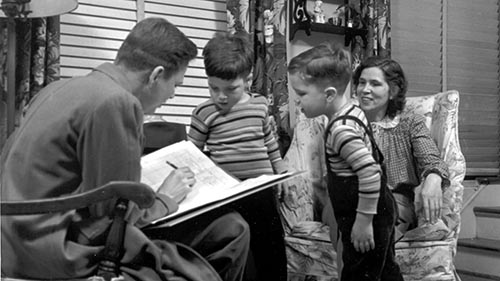
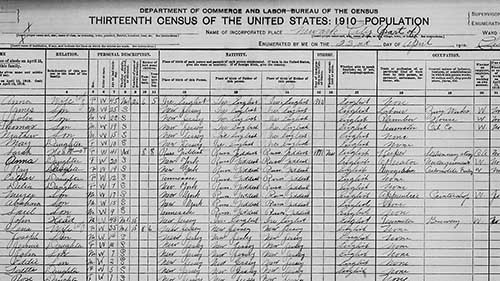
The Power of Official Instructions: Many “errors” in census records, such as double-counted individuals or unexpected ages, are often the result of enumerators following specific mandates. For example, instructions regarding “usual place of abode” required counting individuals as they existed on a specific “census day,” even if the interview happened months later.
The Impact of Human Error and Bias: Before 1880, the census was managed by U.S. Marshals who often viewed it as a burdensome secondary duty. Factors like political patronage, inconsistent training, and the manual copying of schedules mean that the records we see today are subject to the individual judgment and fallibility of the person holding the pen.
Deciphering Relationships and Labels: Even in years when the census did not explicitly state relationships, enumerators were often instructed to list household members in a specific order (father, mother, then children by age). Knowing these hidden rules helps genealogists verify family structures and understand how terms like “housekeeper” or “color” were defined by the government rather than the informant.
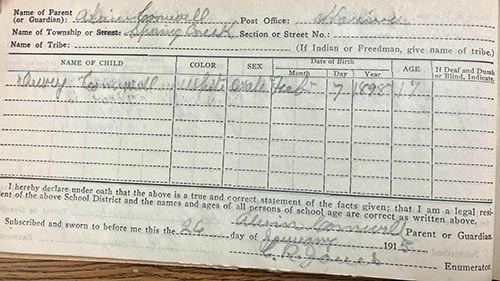
To truly master these foundational records, viewing the full webinar is essential for any serious family historian. Seeing the specific evolution of census laws and the visual examples of how instructions were applied provides a roadmap for solving difficult research brick walls. Beyond the video itself, the detailed seven-page syllabus offers a wealth of additional resources, including links to historical maps and comprehensive guides to census questionnaires. Exploring these materials will empower you to look at every census page with a fresh, expert eye, ensuring you don’t miss the subtle clues your ancestors left behind.















 Facebook
 X
X
 Syllabus



Very informative, and I thought I knew all about the census. Annette is so good at detail!
Can’t wait to review this webinar!!
one of those times when you think you “know everything” but very good to have a systematic overview
This was an excellent webinar! I never knew how important the enumerator instructions are to our modern day interpretation of census records, and how those instructions inform our genealogy research. Even if you consider yourself an experienced genealogy researcher, I highly recommend this webinar. It could make a HUGE difference in finding valuable information about your ancestors.
I don’t think it’s possible to not learn something new from this webinar! I bet she could do a Part II with even more material.
I so appreciate learning the process of Census taking, for it enriches my understanding of the challenges involved over the decades. Wonderful presentation!
Very well done and understandable for all levels of learning for the audience.
Very clear