Watch webinars that focus on specific record categories including adoption, vital records, cemetery records, census records, city directories, immigration records, newspapers and more for locations around the world.
Using Homestead Records to Tell Your Ancestor’s Story
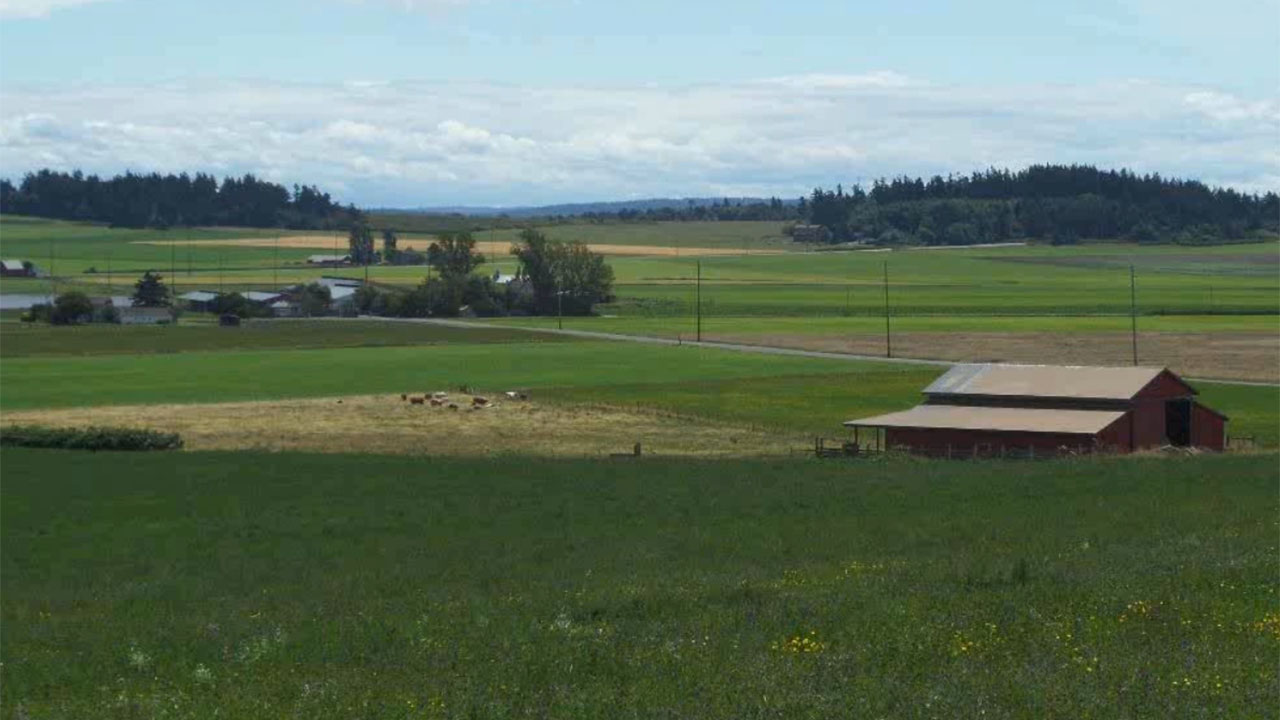
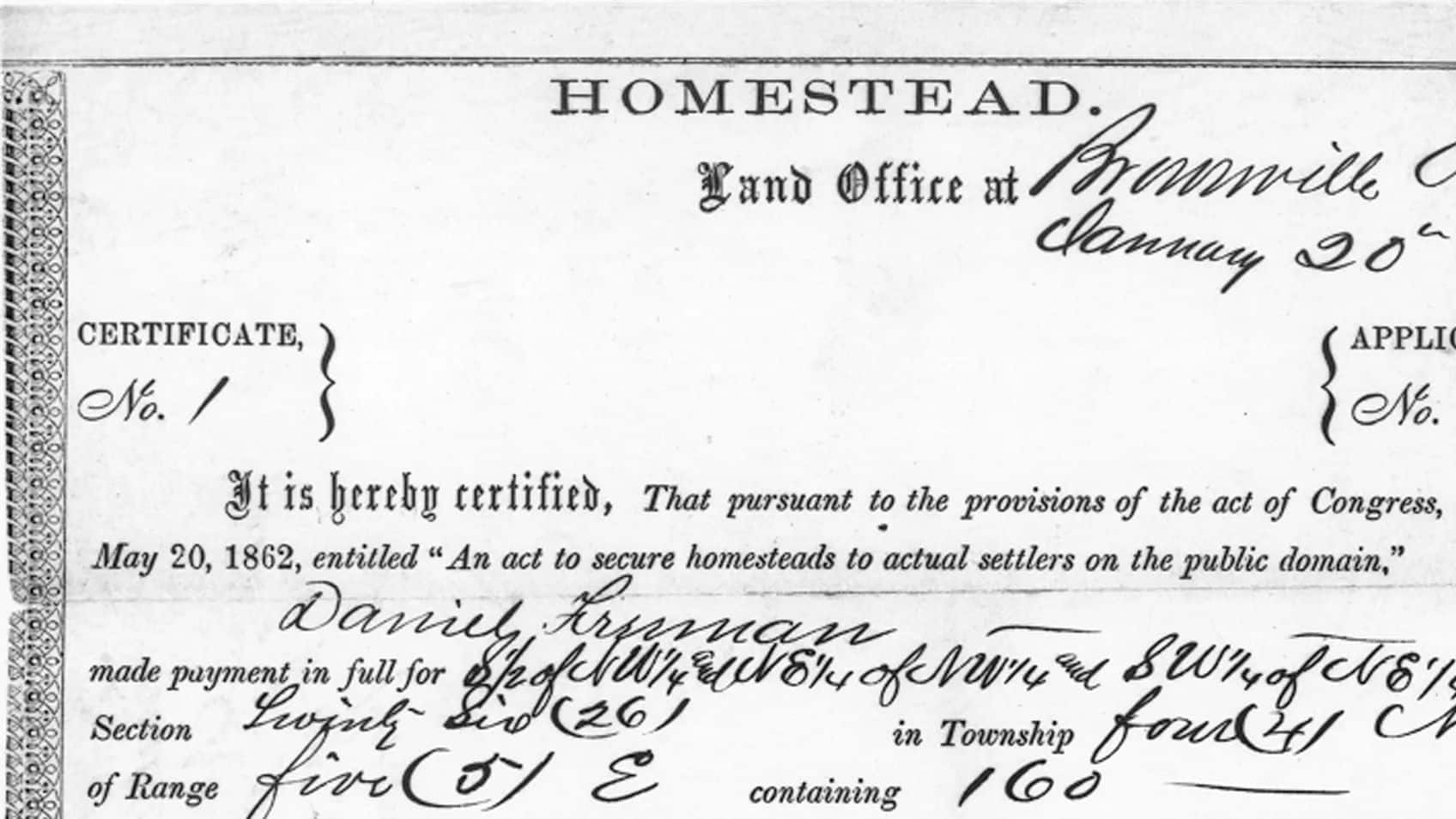
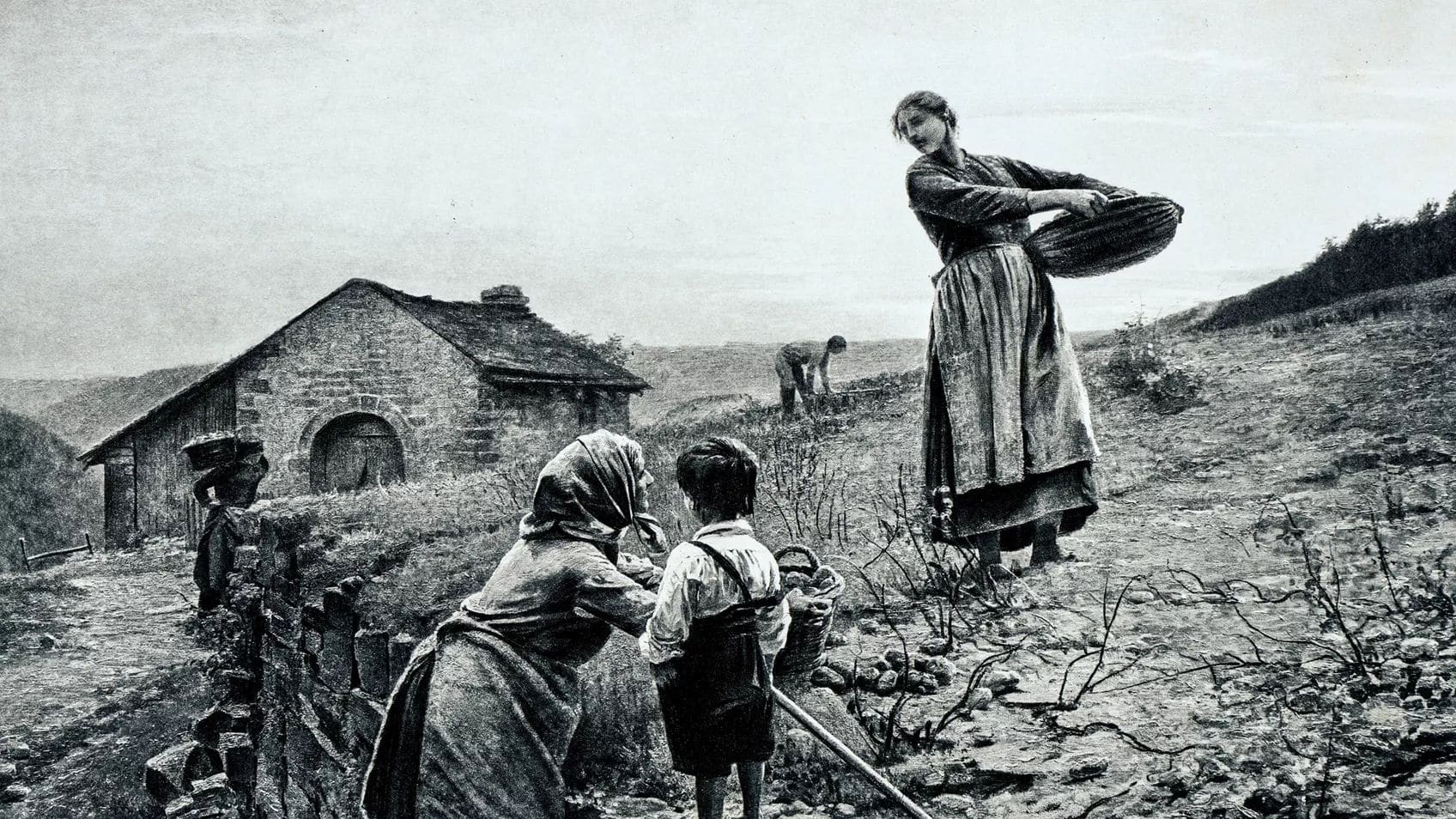
Imagine uncovering the stories hidden in your ancestors’ land entry papers from the Homestead Act of 1862 and later homestead laws. The material in these files will add richness to your family history. Join us as we discover potential homesteading ancestors, explore the journey of making a claim, understand the different homestead laws, and learn to access these records. Each document holds clues waiting to unfold the story of your family’s past.
This webinar will trace the lives of four individuals that served as witnesses and also acquired land under the Homestead Act of 1862 in Livingston Parish, Louisiana. This case study will examine how the lives of these witnesses interconnected by reviewing their land entry papers.
Women Homesteaders and Genealogy (BONUS webinar for subscribers)
The passage of the 1862 Homestead Act provided women a unique opportunity to own land in their own right. The husband was presumed to be the head of a family, so married women were not eligible, but unmarried women—single, widowed, divorced, abandoned—could apply for their chance at independence….
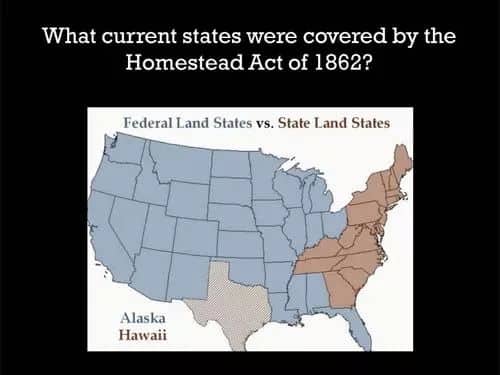
In this session you'll learn how The Homestead Act of 1862 lured citizens of the United States to procure federal lands West of the Mississippi River. The application and qualification process, as burdensome as it was for our ancestors, produced a bumper crop of documents for use by genealogists and…
Using MyHeritage in Your Genealogical DNA Testing Plan
Tue, January 13 2026: 19:00 UTC
We often need other family members to take a DNA test for us to help us solve our genealogical problems. We’ll discuss ways MyHeritage can help us find, test, and collaborate with our DNA cousins.
Where They Once Stood: Finding Your Immigrant Ancestor’s Place of Origin
Wed, January 14 2026: 19:00 UTC
Often family researchers know only the country from which their ancestor emigrated. This presentation offers examples of American records that can answer the question, “But, exactly where were they from?” Finding an ancestor’s specific place of origin in the old country can open doors to foreign records that can add generations to your family tree, and bring greater appreciation of your heritage. You may even be able to stand where they once stood.
Using Marriage Dispensations to Find Ancestors in Mexico
Fri, January 16 2026: 19:00 UTC
Marriage dispensations provide a privileged window into social and family life in viceroyal Mexico. Dispensations, or special permissions to marry granted by Catholic bishops, reveal the obstacles that had to be resolved before ecclesiastical authorities in order to contract marriage. This webinar examines dispensations for consanguinity and for ultramarinos (foreign-born individuals). In areas with high levels of endogamy, marriage dispensations become essential resources to reconstruct family relationships, even extending beyond other church records.
Beyond the First Clue: Unraveling a Genealogical Mystery with the GPS
Wed, January 21 2026: 1:00 UTC
Applying the Genealogical Proof Standard uncovers Delany DeVine’s true birthplace, challenging initial evidence and showcasing reasonably exhaustive research, analysis, correlation, and resolution of conflicting evidence.
By registering, you are submitting your information to Legacy Family Tree Webinars and agreeing to let us use it to contact you.
Thank you for registering!
You should receive a confirmation email with a link to the webinar soon.
You’ll also receive a reminder both the day before and one hour before the webinar begins. Didn’t receive a confirmation email?
You successfully registered for %s.
You should receive a confirmation email with a link to the webinar soon.
You’ll also receive a reminder both the day before and one hour before the webinar begins. Didn’t receive a confirmation email?