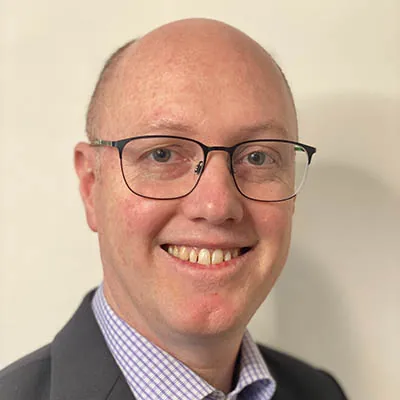
Norwegians in the New World: Tracing Norwegian Immigrants in the American Midwest
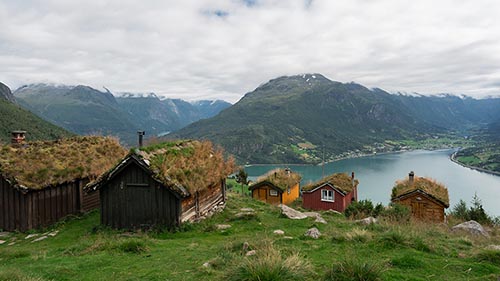
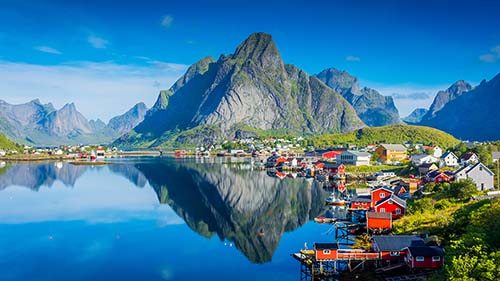
This presentation delves into the lives of Norwegian immigrants in the United States during the 1800s, exploring their contributions to American society and the challenges they faced along the way. As waves of Norwegians sought better opportunities, many settled in the Midwest, particularly in states like Minnesota and Iowa, where they played a pivotal role in shaping local communities. By examining historical newspapers within the OldNews archive, we can uncover valuable insights into their everyday experiences through personal stories, community events, further bringing the process of cultural integration to life. Ultimately, not only highlighting the resilience and determination of Norwegian immigrants but also providing a broader context for understanding early Norwegian-American experiences, whilst also discovering the personal narratives that have shaped their enduring legacy.
This presentation delves into the lives of Norwegian immigrants in the United States during the 1800s, exploring their contributions to American society and the challenges they faced along the way. As waves of Norwegians sought better opportunities, many settled in the Midwest, particularly in states like Minnesota and Iowa, where they played a pivotal role in shaping local communities. By examining historical newspapers within the OldNews archive, we can uncover valuable insights into their everyday experiences through personal stories, community events, further bringing the process of cultural integration to life. Ultimately, not only highlighting the resilience and determination of Norwegian immigrants but also providing a broader context for understanding early Norwegian-American experiences, whilst also discovering the personal narratives that have shaped their enduring legacy.
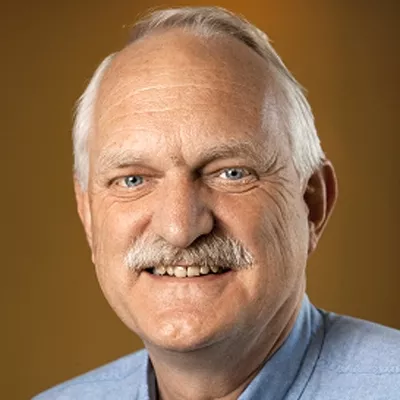
If you’re researching your roots in Norway, these resources are a fantastic place to start: National Archives of Norway, National Library of Norway, MyHeritage and Genealogy Society of Norway. In this session, Vidar Øverlie will help you explore these essential resources.
If you’re researching your roots in Norway, these resources are a fantastic place to start: National Archives of Norway, National Library of Norway, MyHeritage and Genealogy Society of Norway. In this session, Vidar Øverlie will help you explore these essential resources.
Which Hans Jensen is Mine? Navigating Patronymics in Scandinavian Research
The majority of ancestral Scandinavians shared a small number of given names and surnames. Following ancestors without becoming mixed up in the patronymic pot can be a challenge. This webinar will provide guidance for focusing on your ancestor and eliminating other possible family lines. We will answer the most common questions regarding ancestral patronymics: what are they? why are they used? and how do I follow my family and not the neighbors?
The majority of ancestral Scandinavians shared a small number of given names and surnames. Following ancestors without becoming mixed up in the patronymic pot can be a challenge. This webinar will provide guidance for focusing on your ancestor and eliminating other possible family lines. We will answer the most common questions regarding ancestral patronymics: what are they? why are they used? and how do I follow my family and not the neighbors?
Norway Research with Online Records at MyHeritage and Beyond
Looking for your Norwegian ancestors? Mike Mansfield, Director of Content Production at MyHeritage, will show you how to find them on MyHeritage. He’ll explore the unique and valuable Norwegian collections MyHeritage has to offer and give you tips and advice on using them to research your Norwegian heritage.
Looking for your Norwegian ancestors? Mike Mansfield, Director of Content Production at MyHeritage, will show you how to find them on MyHeritage. He’ll explore the unique and valuable Norwegian collections MyHeritage has to offer and give you tips and advice on using them to research your Norwegian heritage.
Researching Scandinavian Ancestors? It's Amazing What You Can Learn
Our Scandinavian ancestors left incredible records about their lives that allow us to discover more about their (and your) Scandinavian heritage and ancestors. This session will introduce the most important Scandinavian records and provide information on where to find these records and how to use them effectively.
Our Scandinavian ancestors left incredible records about their lives that allow us to discover more about their (and your) Scandinavian heritage and ancestors. This session will introduce the most important Scandinavian records and provide information on where to find these records and how to use them effectively.
MyHeritage has partnered with archives and institutions to publish a wealth of new collections for Scandinavia and Finland. This session will describe and demonstrate these incredible resources and provide strategies for using these new collections. There has never been a better time to do Scandinavian and Finnish research.
MyHeritage has partnered with archives and institutions to publish a wealth of new collections for Scandinavia and Finland. This session will describe and demonstrate these incredible resources and provide strategies for using these new collections. There has never been a better time to do Scandinavian and Finnish research.
Is that parish of birth of your Nordic ancestor proving to be elusive? Without it, we cannot make the trip “across the pond.” Often that parish is identified in the records located in the United States and research will reveal the name or at least narrow it down. We will…
Is that parish of birth of your Nordic ancestor proving to be elusive? Without it, we cannot make the trip “across the pond.” Often that parish is identified in the records located in the United States and research will reveal the name or at least narrow it down. We will…
A broad overview of research in Europe – a continent spanning more than thirty countries which has been subjected to wars, political unrest and border changes. Europe is a Continent with different languages, cultures and religions, all of which play a part in family history research. This presentation looks at…
A broad overview of research in Europe – a continent spanning more than thirty countries which has been subjected to wars, political unrest and border changes. Europe is a Continent with different languages, cultures and religions, all of which play a part in family history research. This presentation looks at…
Advanced Census Research: Understanding Census Enumerators and Their Instructions
Wed, February 4 2026: 16:30 UTC
The census is one of our basic research tools, but basic doesn’t equal simple. Often a census record can raise as many questions as it answers, and some of those questions may seem unanswerable. Learn how an understanding of who the enumerators were, what their instructions prescribed, and some of the many ways they deviated from the instructions can answer many of the questions raised by census research.
The census is one of our basic research tools, but basic doesn’t equal simple. Often a census record can raise as many questions as it answers, and some of those questions may seem unanswerable. Learn how an understanding of who the enumerators were, what their instructions prescribed, and some of the many ways they deviated from the instructions can answer many of the questions raised by census research.
The Many Faces of the Census: Beyond the Population Schedule – Agricultural, Mortality, and Industry Records
Wed, February 4 2026: 17:45 UTC
Most researchers stop at the population schedule, but census records also include valuable schedules that document farms, businesses, deaths, and community life. This session explores agricultural, mortality, and industry schedules, showing how they can be used to add depth to family history.
Most researchers stop at the population schedule, but census records also include valuable schedules that document farms, businesses, deaths, and community life. This session explores agricultural, mortality, and industry schedules, showing how they can be used to add depth to family history.
Case Studies in Census Conflicts – Resolving Contradictions Across Decades
Wed, February 4 2026: 19:00 UTC
Census records often contradict one another. Ages change, names vary, and places of birth are inconsistent. This session demonstrates how to analyze and reconcile those conflicts through timelines, correlation with other records, and case studies that show how to draw conclusions from imperfect evidence.
Census records often contradict one another. Ages change, names vary, and places of birth are inconsistent. This session demonstrates how to analyze and reconcile those conflicts through timelines, correlation with other records, and case studies that show how to draw conclusions from imperfect evidence.
Context in the Count: Interpreting the U.S. Census With a Historical Perspective
Wed, February 4 2026: 20:30 UTC
The U.S. federal census wasn’t designed with genealogists in mind; it was created to meet the changing needs of a growing nation. This session takes you beyond the names and numbers, exploring the historical context behind each census from 1790 to 1950. We’ll examine how shifting questions, enumeration methods, and national priorities have shaped the records we rely on today. By understanding the “why” behind the census, you’ll gain tools to interpret your ancestors’ entries with greater accuracy and uncover richer stories hidden in the data.
The U.S. federal census wasn’t designed with genealogists in mind; it was created to meet the changing needs of a growing nation. This session takes you beyond the names and numbers, exploring the historical context behind each census from 1790 to 1950. We’ll examine how shifting questions, enumeration methods, and national priorities have shaped the records we rely on today. By understanding the “why” behind the census, you’ll gain tools to interpret your ancestors’ entries with greater accuracy and uncover richer stories hidden in the data.
By registering, you are submitting your information to Legacy Family Tree Webinars and agreeing to let us use it to contact you.
Thank you for registering!
You should receive a confirmation email with a link to the webinar soon.
You’ll also receive a reminder both the day before and one hour before the webinar begins. Didn’t receive a confirmation email?
You successfully registered for %s.
You should receive a confirmation email with a link to the webinar soon.
You’ll also receive a reminder both the day before and one hour before the webinar begins. Didn’t receive a confirmation email?