Women’s Suffrage: Their Rights, Roles, and Limitations
Wed, August 26 2026: 18:00 UTC
Life for early American women was often burdened with setbacks. Limited by society without voting rights, limited educational opportunities, and virtually no legal identity, women sought to be equals in society. This lecture focuses on the history of women and the Suffrage Movement from the colonial times to the early twentieth century. Numerous genealogical records are examined in this lecture, discussing records from the Anti-Slavery movement to Temperance, military service, and later, when women gained the right to vote.
We are so busy searching and documenting the past and our ancestors, but don’t stop to think that someday we will be the ancestors of someone. What are we leaving behind besides the genealogical legacy? Will our descendants know who WE really were? our unique voice, our feelings and experiences, what messages and lessons do we leave behind?
Lineage in Context: Creating a Compelling Kinship-Determination Project
Turn your research into a meaningful family narrative that meets BCG certification requirements. This session will demonstrate how to write a structured narrative lineage that both proves kinship and details the history of each couple. Topics include selecting an appropriate family line, placing families in context, organizing and analyzing evidence, meeting BCG’s standards, and documenting biographical details.
Beyond the First Clue: Unraveling a Genealogical Mystery with the GPS
Applying the Genealogical Proof Standard uncovers Delany DeVine’s true birthplace, challenging initial evidence and showcasing reasonably exhaustive research, analysis, correlation, and resolution of conflicting evidence.
Alcina Furkey’s birth name and her parents’ identities were unknown in 19C Vermont. Alcina had many forenames: Alcenia, Arsena, Christina, Elcena, Elena, Jane, Josephine, Julia, Lucy, and Reusta, and Rosanna. But none of them was her baptismal name. Reconstructing her birth family, together with a connection found in deeds and the clues in Catholic records, led to her real identity.
Incorporating social context in a Kinship-Determination Project isn’t just about weaving historical events and descriptions of daily life into a family narrative. Community and culture shape behavior and relationships. To understand and document our ancestors, we need to understand the society in which they lived. When we estimate a marriage date based the birth of a couple’s first child (or that the birth of a child implies a marriage), we base those assumptions on context. This lecture will explore social context and illustrate how to research and write about it within a Kinship-Determination Project.
Spirit of St. Louis: Military & Civilian Records at the National Personnel Records Center
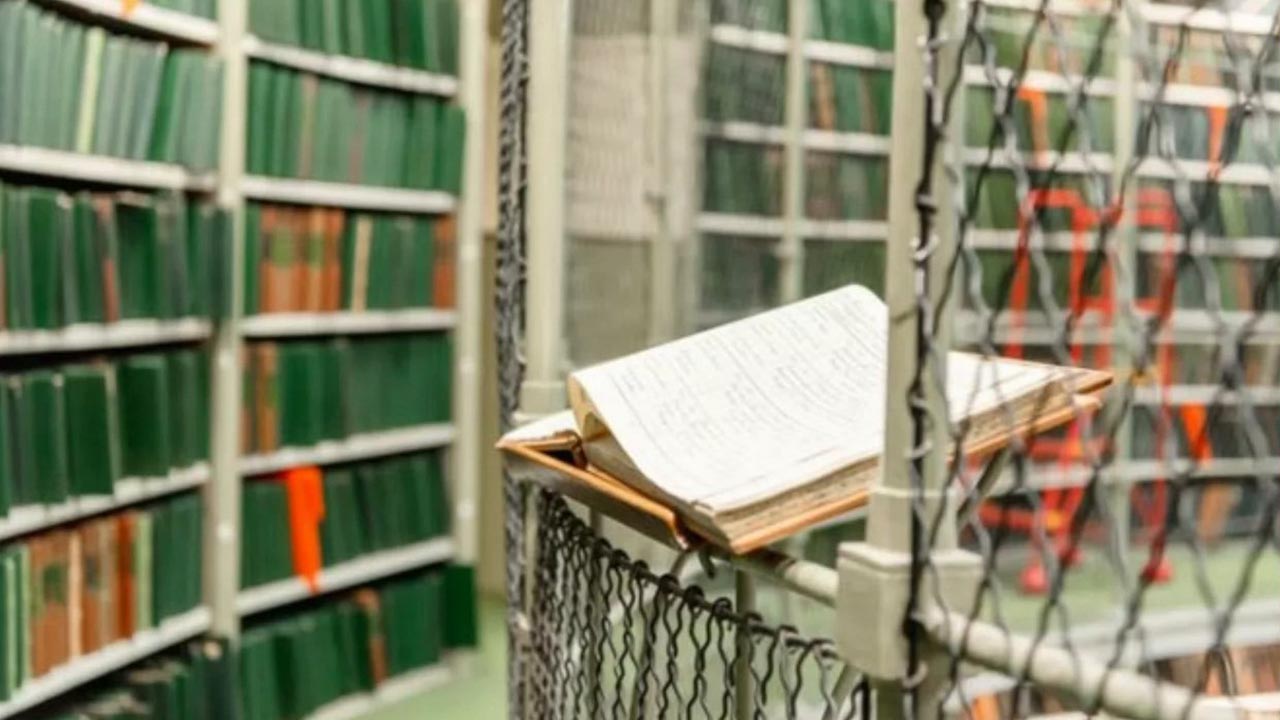
The National Records Personnel Center in St. Louis has many records pertinent to your soldier’s service. OMPFs, Official Military Personnel Files, monthly regimental rolls, hospital records, military court-martials and graves registration service files all offer clues into your veteran’s military experience. NPRC also houses civilian and government employment files as well. Was your grandfather in the Civilian Conservation Corps? Was your mother Postmaster? These records are available as well! Tina will describe the types of information to be found in these records and how you can access them in person.
Using Homestead Records to Tell Your Ancestor’s Story
Imagine uncovering the stories hidden in your ancestors’ land entry papers from the Homestead Act of 1862 and later homestead laws. The material in these files will add richness to your family history. Join us as we discover potential homesteading ancestors, explore the journey of making a claim, understand the different homestead laws, and learn to access these records. Each document holds clues waiting to unfold the story of your family’s past.
James C. Ward’s Eldorado: A Coast to Coast Identity Case
One James C. Ward was born in the 1820s and his life is documented in Massachusetts and New York. One James C. Ward served in the Mexican War and left sketches and a diary detailing his adventures in California in the 1840s. Could they be the same man? A case of identity solved through correlation.
By registering, you are submitting your information to Legacy Family Tree Webinars and agreeing to let us use it to contact you.
Thank you for registering!
You should receive a confirmation email with a link to the webinar soon.
You’ll also receive a reminder both the day before and one hour before the webinar begins. Didn’t receive a confirmation email?
You successfully registered for %s.
You should receive a confirmation email with a link to the webinar soon.
You’ll also receive a reminder both the day before and one hour before the webinar begins. Didn’t receive a confirmation email?