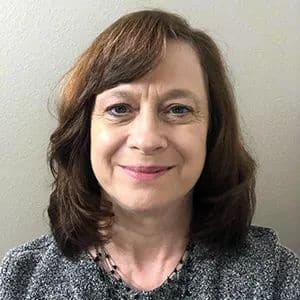



Kathryn Lake Hogan

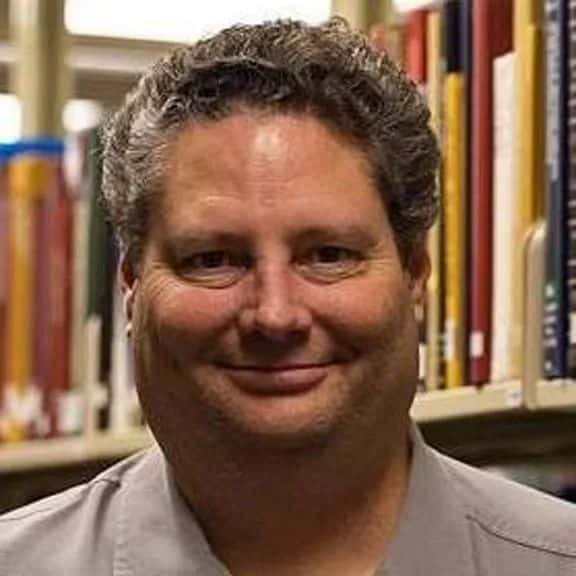
Kathryn Lake Hogan, UE, PLCGS, is a professional genealogist, educator, and speaker specializing in Canadian family history research. As the founder of Looking4Ancestors, Kathryn has helped countless family historians discover their Canadian roots, with expertise in areas such as Loyalist ancestry, British Home Children, migration patterns, and tracing lesser-known stories. She regularly presents webinars, courses, and workshops for audiences across North America and is known for making complex research topics clear, approachable, and inspiring.

Kathryn has spoken at leading genealogy events, including RootsTech, Legacy Family Tree Webinars, and Ontario Ancestors. She is also a course coordinator and instructor at genealogy institutes, including SLIG (Salt Lake Institute of Genealogy). Her favourite moments are when participants tell her, “Because of your session, I finally found my ancestor.” That never gets old.

When she’s not researching in the archives, teaching, or volunteering, Kathryn can be found at the gym, where she’s a beginner powerlifter. Yes, really.

Kathryn's Upcoming Live Webinars (1)

Fri, August 21 2026: 18:00 UTC
Migration Pathways Between Canada and the United States You Haven’t Considered
Fri, August 21 2026: 18:00 UTC
Migration between Canada and the United States was far more complex than a one-way journey north or south. Families crossed the border repeatedly, motivated by opportunities, community, and survival. This webinar explores four lesser-known migration pathways that genealogists often overlook.We begin with the New England Planters, who settled in Nova Scotia after the Acadian expulsion, with some later returning to New England or moving elsewhere in the Maritimes. Next, we trace Black migration, from Loyalists and Underground Railroad refugees to 20th-century workers commuting daily between Windsor and Detroit. The session then turns to industrial labourers who worked seasonally in lumber, mining, fishing, or in factories, leaving behind valuable records in both countries. Finally, we examine Depression-era relocations, when Prairie families sought survival in the U.S. Midwest and Americans looked north to Canadian farmland. Throughout, case studies illustrate research strategies and highlight the records that capture these movements. Attendees will learn how to: recognize overlooked migration patterns across the border; identify the key records generated by each pathway; utilize maps, timelines, and the FAN methodology to trace family histories; correlate records across Canada and the U.S. to prove identity; overcome challenges such as surname variations, missing records, and changes in boundaries.
Fri, August 21 2026: 18:00 UTC

Kathryn's Webinars (10)