Registration opens for 2026 webinar series on December 29.

Registration opens for 2026 webinar series on December 29.

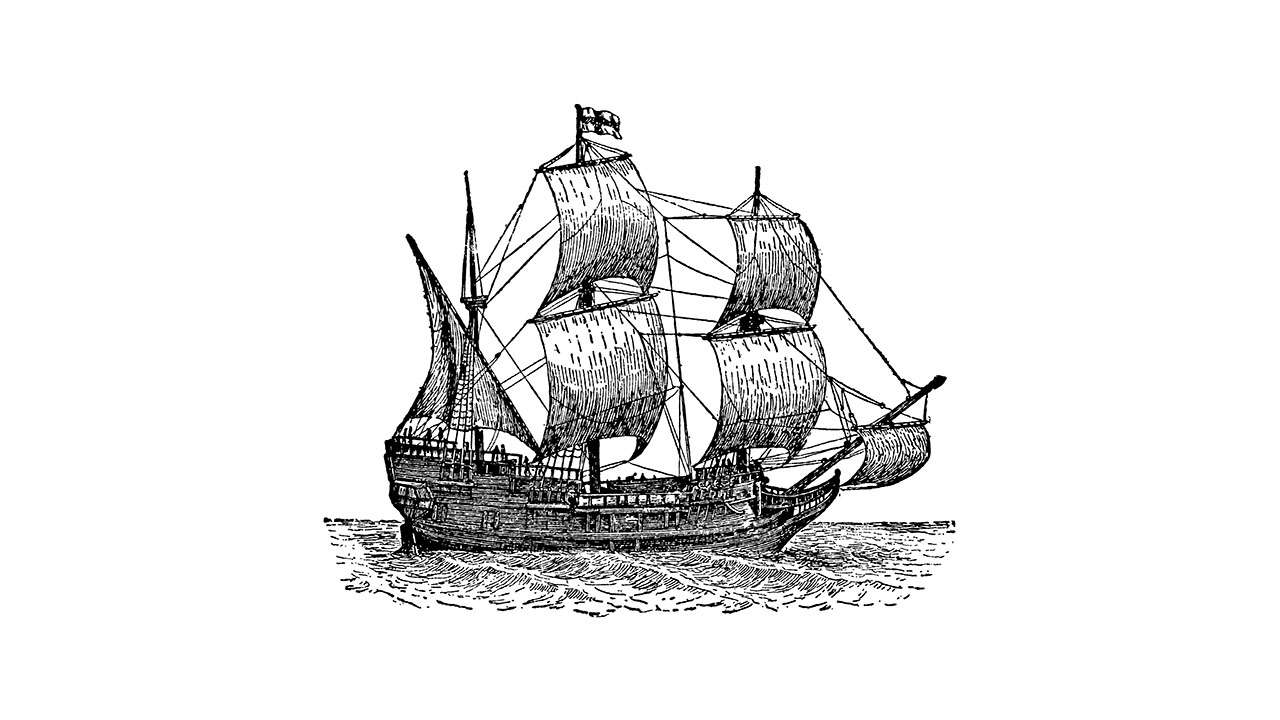
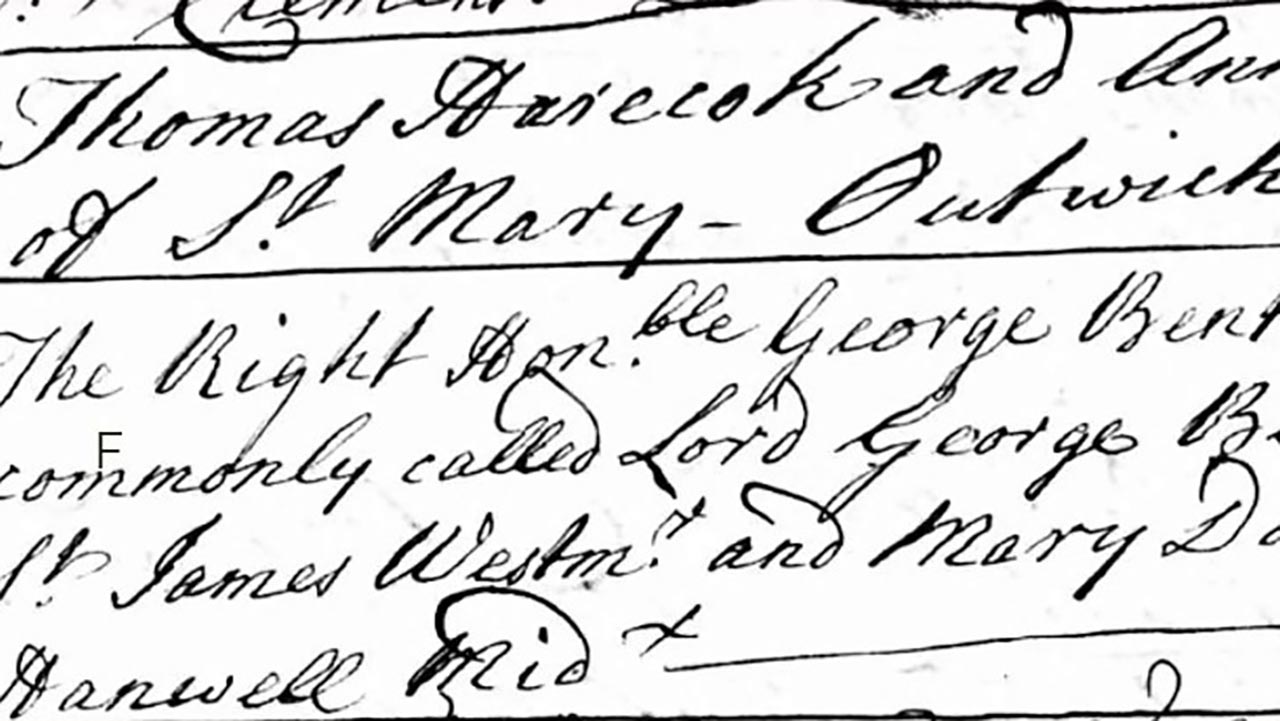
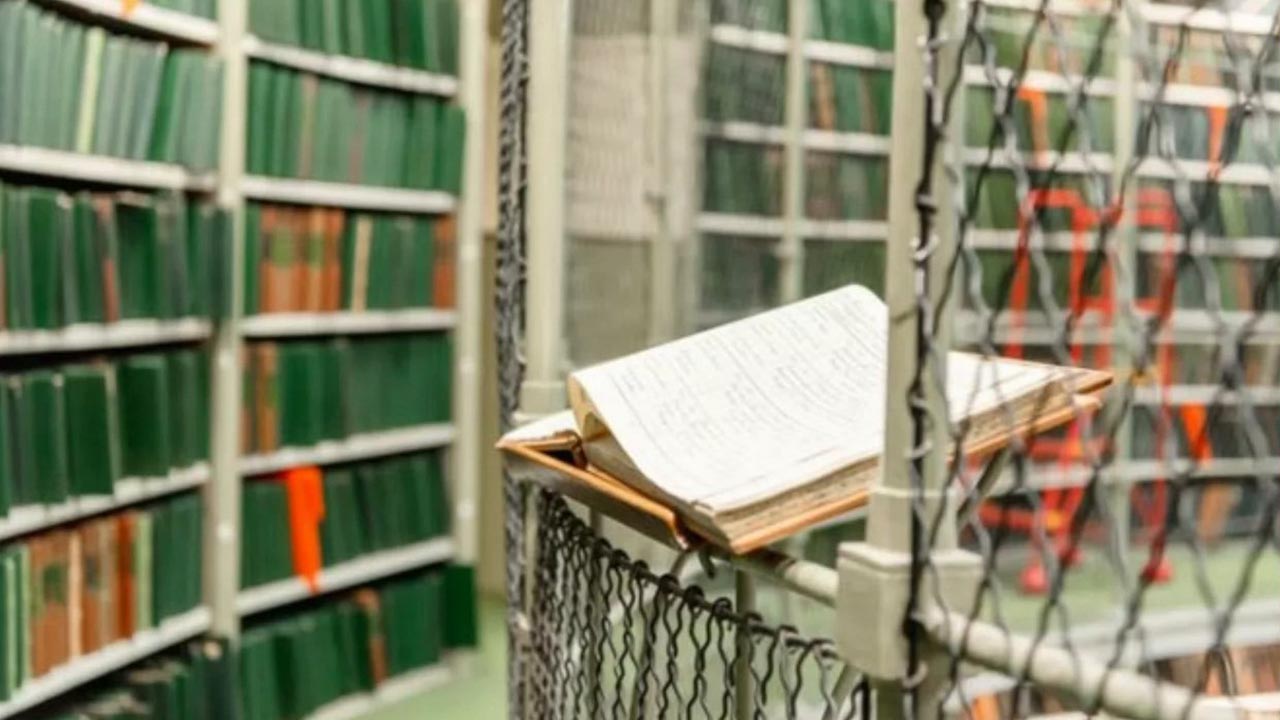
Discover how to locate New England church records from before 1900, including those hidden in unexpected places. This talk explores the history of colonial religious groups, key repositories, and strategies for finding records in archives, libraries, and private collections. Learn to use essential reference sources and uncover records that may be stored outside New England, providing valuable insights for genealogical research. Attendees will gain practical methods for uncovering early New England church records, including tips on locating hidden collections outside traditional archives. They’ll explore the unique landscape of colonial religious history and learn about tools and resources that make finding these rare records easier, helping to fill gaps in genealogical research with often-overlooked sources.

Wed, August 5 2026: 15:30 UTC

About the speaker

About the speaker

Bonnie Wade Mucia, AG® an Accredited Genealogist in the New England region and is the owner of Keeper of the Past Genealogy, LLC. She serves as the Director of the Mayflower Families Silver Books Project for the General Society of Mayflower Descen
Learn more...

Related Webinars

Fri, November 6 2026: 19:00 UTC
Navigating the New England Region: Strategies and Resources for ICAPGen Accreditation
Fri, November 6 2026: 19:00 UTC
It’s no secret that New England is packed with genealogical records—but passing the International Commission for the Accreditation of Professional Genealogists (ICAPGen) exam takes more than just knowing they exist. You need to know where to find them, how to work with them, and how to demonstrate expertise in this region. This session will guide aspiring AG® candidates through the key record types, research strategies, and quirks that define genealogy in Connecticut, Maine, Massachusetts, New Hampshire, Rhode Island, and Vermont. From Connecticut’s Barbour and Hale collections to Maine’s late statewide vital registration, to Massachusetts’ extensive town records and the holdings of the Massachusetts Historical Society, each state presents unique treasures and challenges. We’ll also look at New Hampshire’s town clerk records, Rhode Island’s probate and town council records, and Vermont’s land-ownership patterns tied to its late colonial settlement. Along the way, you’ll learn how to maximize essential repositories and archives and build effective study guides and reference tools. Whether you’re starting your Four Generation Project, preparing for the exam, or simply interested in New England research, this overview will give you a strong foundation.
Fri, November 6 2026: 19:00 UTC
Wed, June 10 2026: 18:00 UTC
Massachusetts Land Records: Tracing Property and Ancestors
Wed, June 10 2026: 18:00 UTC
Curious about who once owned your home? Wondering what land your ancestors may have bought or sold? This presentation introduces everyday researchers to the fascinating world of Massachusetts land records. Learn how to use online tools like MassLandRecords.com, understand the meaning behind different types of deeds, and uncover surprising details—from property disputes to family connections. Whether you’re exploring genealogy or local history, land records can help piece together the past in a way few other sources can.
Wed, June 10 2026: 18:00 UTC
Wed, August 5 2026: 14:15 UTC
Introduction to New Hampshire Genealogy
Wed, August 5 2026: 14:15 UTC
A survey of New Hampshire genealogy, focusing on the records most useful to each period of the Granite State’s 400-year history. Although the emphasis will be on sources that are free and available online, we will also discuss local resources and offer some tips on planning a research trip to New Hampshire.
Wed, August 5 2026: 14:15 UTC
Wed, July 8 2026: 18:00 UTC
Only A Date? Five Things You May Be Missing in Kentucky and Virginia Marriages
Wed, July 8 2026: 18:00 UTC
Marriage databases are readily available for many Kentucky and Virginia counties giving names of the couple, locations, and dates. However, the wise researcher looks for all the records associated with each marriage and not just information published in a database. Since, the laws for getting married in Kentucky and Virginia changed across time producing different records during different time periods, many records associated with a single marriage may not all be in one marriage book or even in the expected location. A basic understanding of the law and the records produced during each time period can give much more information than just a date. Learn what records were created during different time periods and how to use these to reveal more about relationships, associates, residence, and birth dates. Learn how to use these records to point toward other records and to make inferences which may not be obvious just from the marriage date.
Wed, July 8 2026: 18:00 UTC
Wed, July 29 2026: 18:00 UTC
Mastering Mid-Atlantic Research: Resources and Methodologies for ICAPGen Accreditation
Wed, July 29 2026: 18:00 UTC
This presentation provides an overview of essential resources and methodologies for researchers preparing for ICAPGen accreditation in the U.S. Mid-Atlantic region. Gain insights into record-keeping practices and the unique challenges and opportunities associated with researching in Delaware, Maryland, New Jersey, New York, and Pennsylvania. Learn how to utilize essential repositories and create your own Personal Reference Guide. Whether you're working toward accreditation or simply looking to strengthen your research skills, this session offers valuable tips and guidance to help you succeed.
Wed, July 29 2026: 18:00 UTC
Fri, September 4 2026: 18:00 UTC
U.S. Great Lakes Region Accreditation: A Genealogical Treasure Trove
Fri, September 4 2026: 18:00 UTC
Elevate your skills and become an Accredited Genealogist® professional by pursuing U.S. Great Lakes Region accreditation through the International Commission for Accreditation of Professional Genealogists(SM) [ICAPGen(SM)]. This course is your key to unlocking the region's rich history and diverse genealogical records. Dive into the unique resources of Illinois, Indiana, Michigan, Ohio, and Wisconsin. You'll explore a variety of records, from Ohio's complex land records and the migration trails of Indiana and Illinois to Michigan's maritime archives and Wisconsin's logging and lumberjack industry. Through hands-on methodology strategies and templates, you'll begin building your essential Personal Reference Guide (PRG). Whether you're starting your accreditation journey or strengthening your existing knowledge, this is the perfect opportunity to master the genealogical accreditation process and become an expert in the U.S. Great Lakes.
Fri, September 4 2026: 18:00 UTC
Wed, September 9 2026: 14:00 UTC
Novel NYC Records
Wed, September 9 2026: 14:00 UTC
This talk will look at various records available about people who lived in New York City from 100 years ago and from today. We will look at things such as voter records, medical examiner records, burial permits, marriage contracts, school records, civil service records, DA records, and land records. We will see examples of each of these, along with discussion on how to get copies of them.
Wed, September 9 2026: 14:00 UTC
Wed, September 9 2026: 15:30 UTC
5 Ways Tax Lists Can Assist Your Pennsylvania Research
Wed, September 9 2026: 15:30 UTC
In colonial and early 19th-century Pennsylvania, let's face it--there are only so many records and it can be challenging to connect generations. This can especially be the case if an ancestors did not own land. Tax lists may not automatically be near the top of most genealogists' list as useful sources in pre-1850 Pennsylvania research. Here's why they should be.
Wed, September 9 2026: 15:30 UTC
Wed, September 9 2026: 17:00 UTC
10 New Tools for Pennsylvania Research
Wed, September 9 2026: 17:00 UTC
As genealogical interest continues to grow, new sources become available, new tools are published and new approaches are developed. Successful research demands keeping up to date, especially for a state as diverse and complex as Pennsylvania. From colonial times to 20th century, both online and print only, these new tools can supercharge your stagnant Pennsylvania research problems!
Wed, September 9 2026: 17:00 UTC