



Incorporating social context in a Kinship Determination Project isn’t just about weaving historical events and descriptions of daily life into a family narrative. Community and culture shape behavior and relationships. To understand and document our ancestors, we need to understand the society in which they lived. When we estimate a marriage date based the birth of a couple’s first child (or that the birth of a child implies a marriage), we base those assumptions on context. This lecture will explore social context and illustrate how to research and write about it within a Kinship Determination Project.
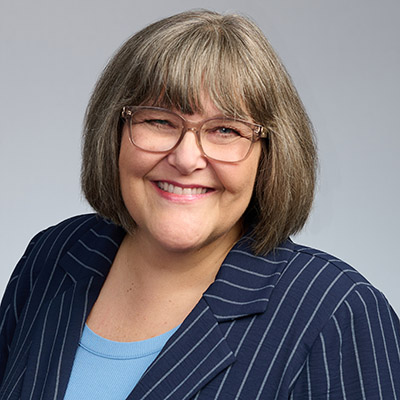
This webinar, presented through the Board for Certification of Genealogists (BCG) and taught by Eva Holmes, makes a compelling case for treating social context as a research tool—not a decorative flourish. Using practical, story-driven examples, it shows how understanding the rules, expectations, and lived realities of a time and place can unlock better record choices, sharper analysis, and more convincing conclusions. While the session ties these ideas directly to the Kinship Determination Project (KDP) for certification applicants, the strategies are broadly relevant to anyone trying to solve identity problems, explain migrations, or interpret puzzling records with confidence.
Social context improves “reasonably exhaustive research” by expanding what counts as relevant evidence. Rather than stopping at the usual vital, census, and land records, the webinar demonstrates how factors like religion, mobility, inheritance customs, occupational risks, and household structure can point to overlooked sources—and explain why some records never existed in the first place.
Context prevents misreads and “presentism” when evidence looks strange by modern standards. Several examples highlight how easily today’s assumptions can distort interpretation—whether judging unusual marriages, misunderstanding coerced loyalty oaths, or reading legal and social penalties into records without recognizing the pressures behind them.
Better context creates stronger genealogical writing and a more persuasive KDP narrative. Adding the right historical and social details can make a conclusion feel inevitable because it clarifies why events unfolded as they did. The webinar also offers practical guidance for building that knowledge (scholarly articles, local and social-science journals, footnote mining, and strategic keyword searching—sometimes in the original language), while avoiding the trap of turning context into unsupported speculation.
Viewing the full webinar is well worth it for genealogists who want more than “names and dates”—especially those aiming to strengthen proof arguments, spot meaningful FAN-club connections, and write narratives that signal depth of research without drifting into guesswork. The session also encourages digging into the syllabus resources to keep learning efficiently; those curated materials can jump-start reading lists, sharpen search terms, and guide exploration of repositories and studies most likely to support the next research breakthrough.












 Facebook
 X
X
 Syllabus


Really enjoyed the topic as it was helpful in how I can use the facts, some letters and what I was told to write stories about my ancestors.
What fantastic presentation on social context! Eva’s engaging manner made following along with her material a breeze, and her relatable examples and clear explanations really drove the concept home. I especially appreciated the emphasis on avoiding assumptions and presentism. Hopefully, we hear more from Eva in the future!
Eva Holmes is an excellent speaker. She conveyed a lot of information in a short period of time by using simple examples. The topic of social context is so very important even if you aren’t submitting a KDP to the BCG. I will look for other related webinars and will definitely endeavor to learn more from Ms. Holmes in future programs.
This webinar was very timely for me as I am currently working on my KDP. I especially appreciated Eva’s comments on how “much social context is enough” and thinking about “who is your audience.”
Excellent presentation, person very knowledgeable of her subject. Important to know the caliber of requirements to become certified genealogist.
Eva shared helpful informatioǹ about what is and isn’t social context and the difference adding it to your research can make.
Great information
Excellent presentation. Clear, concise explanations of terms and great examples to illustrate points. thank you Eva