



Yorkshire was an area of great migration, those who moved within the county, those who moved in and out of the county and those who left Yorkshire and England. Most Europeans who emigrated travelled to America with more than 2 million English moving to America in the 1800s. The changes during the 1800s through the effects, and aftereffects, of the Industrial Revolution created great change in Yorkshire as well as the decline in lead mining and farming in rural areas and the Yorkshire dales. As people lost opportunities to earn a living in these areas they were pulled to the opportunities further afield, the mills towns in the West Riding of Yorkshire and Lancashire and further afield to America then later to Canada and Australia. As a member of a family emigrated this created a greater pull for friends and family to join them creating communities in another country. This was the case in New Diggings in Wisconsin where many people from Swaledale and Wensleydale left the declining lead mines to start new lives in the growing mines of America. This talk will explore the people who emigrated, the villages they left and the communities they joined along with the Yorkshire surnames which are now part of American life. Oral histories documented in the book ‘Those Who Left the Dales’ by the Upper Dales Family History Group are referred to as well as immigration records and original documents held at North Yorkshire Archives including the publication ‘History of New Diggings’ and a Dakota ‘recruiting’ lecture given in Wensleydale. The talk will provide an insight into the reasons for leaving Yorkshire, particularly the Yorkshire Dales, and the lives of those who emigrated.
Exploring the Yorkshire Diaspora: A Genealogical Journey
This webinar offers a fascinating exploration of the migration patterns that shaped Yorkshire, England, from the 17th through the 20th centuries. Led by genealogist Jude Rhodes, the presentation moves beyond simple dates and names to examine the social and economic “push and pull” factors that drove thousands to leave the Dales, the Moors, and the industrial West Riding. By integrating historical context with compelling family case studies, the session demonstrates how understanding local history—such as the decline of lead mining or the impact of agricultural enclosure acts—is essential for reconstructing the lives of ancestors. Whether your research leads to the lead mines of Wisconsin, the Mormon settlements in Utah, or the vast farmlands of Canada and Australia, this session provides a roadmap for tracing the global footprint of Yorkshire families.
Key Takeaways for Genealogists
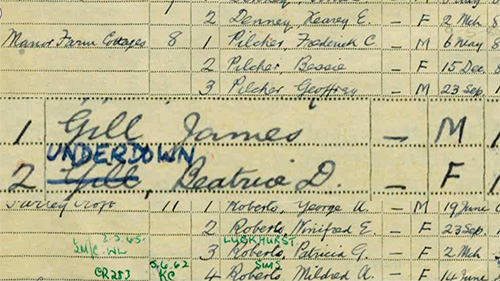
To fully grasp the intricate details of these migration paths and to see the specific records used to solve these family mysteries, viewing the full webinar is highly recommended. The presentation features a wealth of visual evidence, including census returns, naturalization papers, and rare archival letters that bring these historical journeys to life. Genealogists are also encouraged to download the comprehensive syllabus, which includes an extensive bibliography of North Yorkshire resources, specialized book recommendations, and direct links to databases that can help uncover the next chapter in a family’s story.










 Facebook
 X
X
 Syllabus


Very knowledgeable presenter!
Enjoyed very much…gave me much to think on & explore.
Very informative and interesting presentation. Jude is an excellent presenter. Thank you!
A very wide-ranging talk with lots of interesting information from a very engaging speaker. Although the focus was on people emigrating from Yorkshire to the US, Canada and Australia a lot of the information would apply equally to emigrants from other parts of the UK.
I learned that it is good to know the history and background information for the general research so that the Genealogy will work better. History of “place” is necessary for context… it helps with explaining the where and the why.
Very helpful information to use in trying to trace my husband’s ancestors
What a delightful speaker. I have not yet determined where my Briggs family came from. Jude has given me some clues!
Very informative. Jude provided many clues to assist in our research. Particularly helpful was the discussion about the connections immigrants had prior to, and after immigration.