



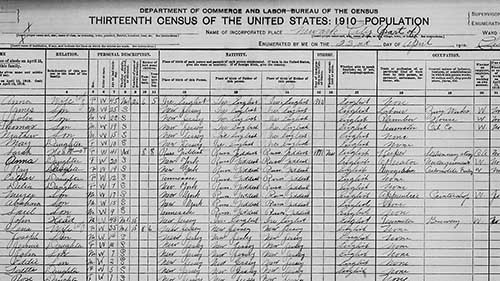
The U.S. federal census wasn’t designed with genealogists in mind; it was created to meet the changing needs of a growing nation. This session takes you beyond the names and numbers, exploring the historical context behind each census from 1790 to 1950. We’ll examine how shifting questions, enumeration methods, and national priorities have shaped the records we rely on today. By understanding the “why” behind the census, you’ll gain tools to interpret your ancestors’ entries with greater accuracy and uncover richer stories hidden in the data.
Census records are the backbone of American genealogical research, yet they are often viewed through a narrow lens as simple lists of names and ages. In the Legacy Family Tree webinar “Context in the Count: Interpreting the US Census With a Historical Perspective,” certified genealogist Elizabeth Swanay O’Neal challenges researchers to look beyond the columns. By exploring the social, political, and legal motivations behind the decennial count, this presentation reveals that the census was never a neutral document designed for future family historians. Instead, it was a dynamic tool of governance, shifting in purpose and structure to meet the evolving needs of a growing nation. Understanding this framework allows researchers to interpret records more responsibly, moving from mere data collection to a sophisticated analysis of how their ancestors fit into the broader American narrative.
Governance Over Genealogy: The census was a constitutional mandate created for federal purposes—specifically for congressional representation and taxation—rather than to record personal family stories. Consequently, the categories and counting rules used (such as the “three-fifths compromise” or the exclusion of “Indians not taxed”) were legal and administrative constructs that reflected the political priorities of the era.
The 1850 Paradigm Shift: This year marked a transformative turning point in census history when the unit of analysis moved from the household to the individual. This shift facilitated a more detailed statistical portrait of the nation, leading to the eventual inclusion of special schedules for agriculture, industry, and mortality, which provide much deeper context than population counts alone.
Modernization and Privacy: The mid-20th century introduced systematic sampling and advanced statistical confidence, allowing the government to ask more intrusive questions about income and employment without burdening every citizen. This expansion of data collection directly necessitated the formalization of the 72-year rule in 1952 to maintain public trust through guaranteed confidentiality.
To truly sharpen your analytical skills and avoid the “21st-century goggles” that can lead to research errors, viewing the full recording of this webinar is essential. It provides a foundational framework that will transform how you evaluate every census entry from 1790 through 1950. To further your expertise, be sure to explore the additional resources and extensive bibliography included in the speaker’s syllabus, which serves as an invaluable guide for deep-dive historical research.











 Facebook
 X
X
 Syllabus


I have LOVED each webinar in this “Deep Dive” into US Census today. This last one was a grand way to bring us back around and put the US Census into its proper perspective, as painful as it to realize that “It’s NOT all about me,” but I get to use it for my genealogy research. We are blessed!
This was an excellent webinar. Learning the history of the census gives greater social context to researching our ancestors and how they lived their lives. I highly recommend this course, even to those who consider themselves experienced genealogists.
This was a good series on the background of the census, it’s purposes and instructions to enumerators. Each presenter provided different parts of how the census was planned and carried out. I enjoyed the series.
Historical perspective of the US Census was fascinating and the context really helped me understand these records better. Additionally….I LOVE LOVE LOVE the “Deep Dive” format of these sessions. It really focuses you in on one topic and let’s you stay in that mindset for an entire day of learning. Thank you so much!
It was great learning about the historical aspect of the Census & more. All the presentations today were excellent! Thank you! Thank you, Geoff & Marian!
A very helpful and interesting dive into the history of the census and it’s importance to the country, and the added benefit of being able to help trace your family through the years. Good thing they didn’t pass the law blocking access to the worksheets to us, or life being a genealogist would have been very though. the deep dive into the Census was wonderful and well worth devoting an entire day to listening to these wonderful speakers and learning more about the US Federal Census. Thank you!
Excellent presentation – I really enjoyed hearing about the social history for each census and how the underlying purpose evolved over time.
Historical context is frequently forgotten but it is so important to our research. Elizabeth outlines the history of the U.S. Census in a way that enhances your research and makes it more meaningful.