



The record types most frequently used by genealogists are birth, marriage, and death records, along with census population schedules, obituaries, and tombstones. When you are confronted with a brick wall, literally hundreds of alternative documents and other evidence might be used to supplement your research and help place your ancestors in context. Alternate Records You May Not Have Considered explores some materials that most genealogists skip or fail to examine. These may provide new clues and insights to open new research doors and help break down brick walls.
This webinar was first released 30 January 2020 on the Genealogy Guys Learn website.
This webinar, “Alternate Records You May Never Have Considered,” explores how to break through brick walls by looking beyond the usual census, vital, and basic land records. Presenter George G. Morgan demonstrates how to place ancestors within their communities using context and the FAN principle—family, associates, and neighbors—to uncover clues in unexpected sources. From immigration notes buried in censuses to dog licenses, marks and brands, cemetery ledgers, and probate minutes, the session shows how these often-overlooked records can pinpoint residence, relationships, and life events when standard documents are missing or incomplete.
2025-11-13-GenGuys-AltRecords-e…
Thinking like an investigator, not just a record searcher
The webinar encourages genealogists to begin with sharp questions: Who surrounded the ancestor? Where did interactions happen? Why did certain people appear together repeatedly? By examining neighbors, witnesses, church associates, and business partners—and tracking them across shifting boundaries and jurisdictions—researchers gain powerful leads on migration patterns, kinship networks, and the correct repository for surviving records.
Alternate records as substitutes and corroborating evidence
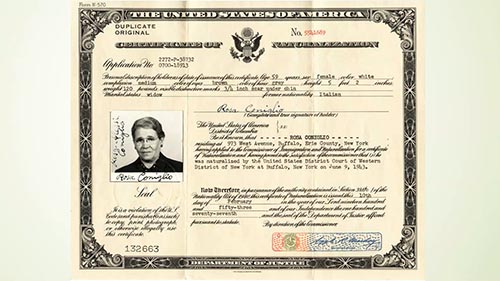
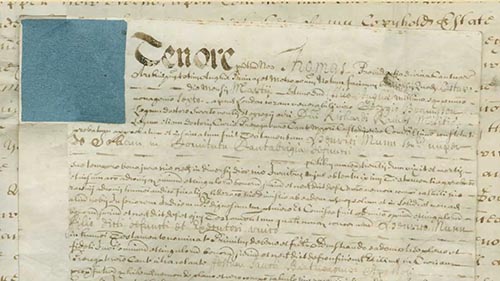
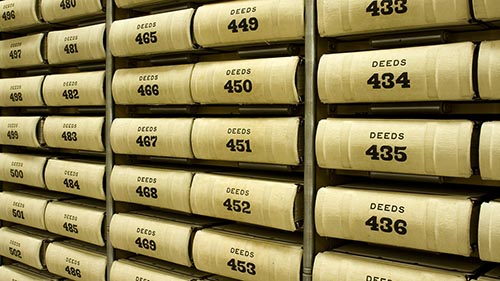
A wide array of underused sources is highlighted: immigration and naturalization details embedded in population schedules; church membership rolls, minutes, and histories; land conveyances, tax rolls, and plat maps; voter registrations with naturalization data; probate court minutes and files; and even pet licenses and livestock marks and brands. Each type is shown as a potential stand-in for missing censuses or vital records, and as corroboration that strengthens conclusions about identity, residence, and family structure.
Cemeteries and courtrooms as data-rich research hubs
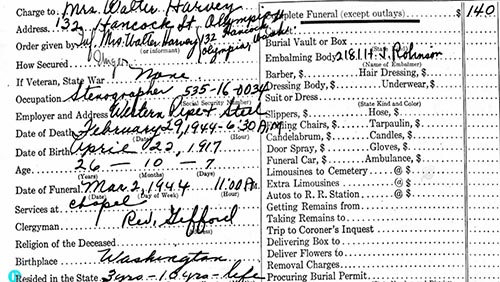
Beyond tombstones and wills, the session showcases burial permits, transit permits, cemetery plot deeds, interment ledgers, and detailed probate packets that may include inventories, auctions, guardianship decisions, and court-ordered notices. These materials can reveal causes of death, financial conditions, guardians for minor children, and the daily realities of a family—adding texture and evidence that basic indexes never capture.
Genealogists who want to move past stalled research and uncover new avenues of proof are encouraged to view the full webinar. The complete presentation walks carefully through examples, images, and reasoning steps that demonstrate how to spot, locate, and interpret these unconventional sources. After watching, exploring the additional resources in the syllabus—covering checklists, record-type explanations, and repository suggestions—will help turn these ideas into a focused research plan tailored to specific ancestors and challenging problems.









 Facebook
 X
X
 Syllabus


Between common name ancestor (John L. Smith) and poor ancestors lacking in traditional used records this webinar has given me fantastic ideas of so many other records to search. I feel success just around the corner now. Thank you George G. Morgan and Legacy Family Tree Webinars!
Thank you so much for posting this today. I am a seasoned FAN researcher; but struggling right now. I have a Piedmont area of NC, mid 1770’s…. family that has a dead end, no researchers have been able to connect. I am taking it on; so I needed a little encouragement. Even though not all applied to this time period; it was a great reminder of not giving up. Got that from you today, so thank you! I think this was posted just for me!!