Tracing Female Ancestors in Greek Genealogy Research
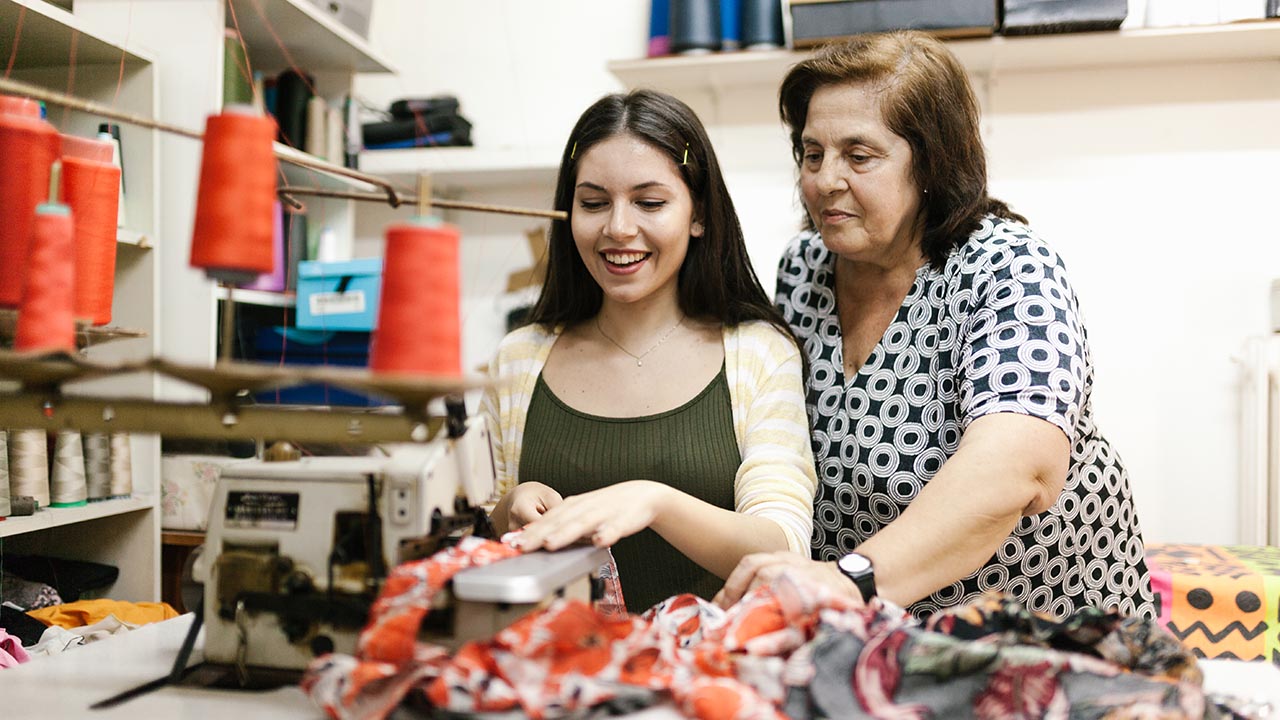
In Greek genealogy research, tracing female ancestors can be rather challenging. However, a number of research options can tackle this problem. This webinar aims at presenting such options and tips to help you find the names and stories of your Greek female ancestors.
What are the most common challenges in Greek genealogy research and how to deal with them? Using real case study material, Gregory Kontos shares experience and tips to help you overcome your research brick walls!
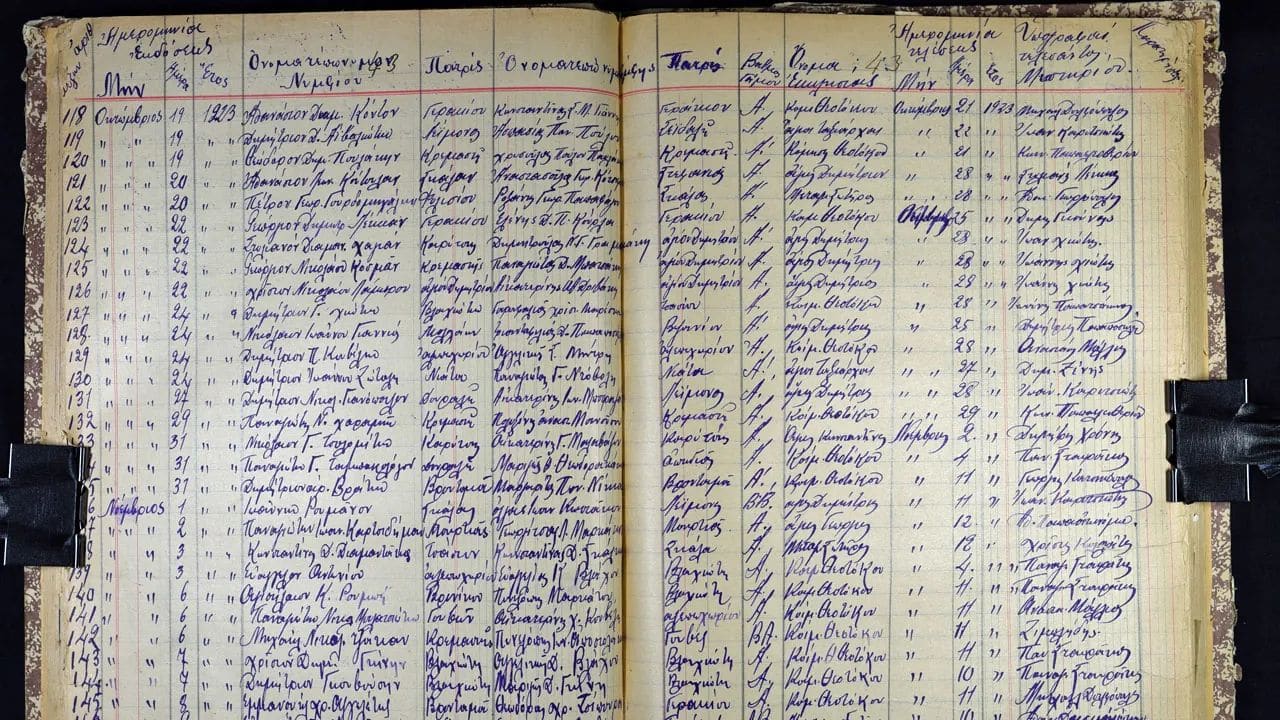
Genealogy research in Greece is sometimes hard, yes, but with a good knowledge of the different types of records available, one can overcome several challenges! This webinar will teach you everything you need to know about the most important types of Greek records: what to look for, where to find, how to analyze & how to use!
You are Greek but it’s all Greek to you? This is an introduction to Greek genealogy research. How to prepare for your research? What do you need to know before turning to Greek records? What types of Greek records are useful and how can you access them? What do you need to know about DNA? Where can you find free additional help and resources? How can you participate in the latest developments in the field of Greek genealogy? Join this class and get ready for a unique research journey!
Advanced Census Research: Understanding Census Enumerators and Their Instructions
Wed, February 4 2026: 16:30 UTC
The census is one of our basic research tools, but basic doesn’t equal simple. Often a census record can raise as many questions as it answers, and some of those questions may seem unanswerable. Learn how an understanding of who the enumerators were, what their instructions prescribed, and some of the many ways they deviated from the instructions can answer many of the questions raised by census research.
The Many Faces of the Census: Beyond the Population Schedule – Agricultural, Mortality, and Industry Records
Wed, February 4 2026: 17:45 UTC
Most researchers stop at the population schedule, but census records also include valuable schedules that document farms, businesses, deaths, and community life. This session explores agricultural, mortality, and industry schedules, showing how they can be used to add depth to family history.
Case Studies in Census Conflicts – Resolving Contradictions Across Decades
Wed, February 4 2026: 19:00 UTC
Census records often contradict one another. Ages change, names vary, and places of birth are inconsistent. This session demonstrates how to analyze and reconcile those conflicts through timelines, correlation with other records, and case studies that show how to draw conclusions from imperfect evidence.
Context in the Count: Interpreting the U.S. Census With a Historical Perspective
Wed, February 4 2026: 20:30 UTC
The U.S. federal census wasn’t designed with genealogists in mind; it was created to meet the changing needs of a growing nation. This session takes you beyond the names and numbers, exploring the historical context behind each census from 1790 to 1950. We’ll examine how shifting questions, enumeration methods, and national priorities have shaped the records we rely on today. By understanding the “why” behind the census, you’ll gain tools to interpret your ancestors’ entries with greater accuracy and uncover richer stories hidden in the data.
Le pouvoir des lieux – utiliser MyHeritage pour raconter l’histoire des bâtiments et des lieux
Thu, February 5 2026: 14:00 UTC
Cet atelier guidera les chercheurs à travers une série d’étapes et d’arrêts pour découvrir l’histoire des bâtiments et des lieux. Suivez quelques études de cas et apprenez comment trouver d’excellentes archives dans MyHeritage, les étapes à suivre et l’interaction idéale entre les sources primaires et secondaires. Découvrez également des conseils de professionnels pour rédiger un récit captivant. Cette présentation inspirera les participants grâce au pouvoir qu’ont les lieux de nos ancêtres de nous rapprocher et de renforcer notre sentiment d’appartenance à une communauté.
Les sous-titres et la voix de cette vidéo ont été doublés en français à l’aide de l’IA.
Cet atelier guidera les chercheurs à travers une série d’étapes et d’arrêts pour découvrir l’histoire des bâtiments et des lieux. Suivez quelques études de cas et apprenez comment trouver d’excellentes archives dans MyHeritage, les étapes à suivre et l’interaction idéale entre les sources primaires et secondaires. Découvrez également des conseils de professionnels pour rédiger un récit captivant. Cette présentation inspirera les participants grâce au pouvoir qu’ont les lieux de nos ancêtres de nous rapprocher et de renforcer notre sentiment d’appartenance à une communauté.
Les sous-titres et la voix de cette vidéo ont été doublés en français à l’aide de l’IA.
By registering, you are submitting your information to Legacy Family Tree Webinars and agreeing to let us use it to contact you.
Thank you for registering!
You should receive a confirmation email with a link to the webinar soon.
You’ll also receive a reminder both the day before and one hour before the webinar begins. Didn’t receive a confirmation email?
You successfully registered for %s.
You should receive a confirmation email with a link to the webinar soon.
You’ll also receive a reminder both the day before and one hour before the webinar begins. Didn’t receive a confirmation email?