Gordon L. McBean

A Manitoba Genealogical Society member since 1996 he has been active with the Society and MGS Winnipeg Branch. He presented almost 50 programs to the branch as well as sessions at MGS provincial seminars. Gordon served as VP Information Technology at MGS from 2011 to 2017. Before that (1998 on) he was computer Chairman for MGS. He has worked to upgrade the MGS computer systems and was the architect and developer of the MGS MANI online database project. In 2023 Gordon was awarded the “Sovereign’s Medal for Volunteers” by the Governor General of Canada for his volunteer work with MGS.

Gordon has presented at provincial genealogy conferences in Ontario and across Western Canada and into the Us. He has presented webinars in those areas as well.

Gordon has spent his life in technology. He was the kid who could get the 16mm projector working in elementary and by junior high he was the go to guy for the schools closed circuit television system, the first in Manitoba. He chose a career in Theatre and Broadcasting and worked in both of those fields before getting involved in educational technology in 1972. He worked for 40 years helping college instructors prepare classroom material. At Red River College he created the Teaching Learning Technology Centre to support and train instructors in the use of technology ranging from personal computers to putting their courses online. In addition to audio and video Gordon is an avid photographer. When not involved in these activities and of course genealogy, Gordon loves to cross country ski, cycle, canoe and travel with his wife. They travel in their RV around North America, with much genealogy and cemetery visiting!

As a teen Gordon was recouping from an operation and his mother got him started doing genealogy. When Gordon first got a Personal Computer he transferred that information into software on the computer. Sometime in the 1990’s he was cleaning out my mother’s basement and came across a cache of old photographs that were from his father’s side of the family. Unfortunately most of the pictures did not name the people in them. He wanted to assign a name to every face in the photos and thus entered into the dark never ending black hole known as “genealogical research” seriously. Gordon later discovered a large box of negatives, definitely no name written there. He then entered into the world of online genealogy and crowdsourcing in an attempt to identify those people.

Gordon's Upcoming Live Webinars (1)

Wed, October 7 2026: 16:45 UTC
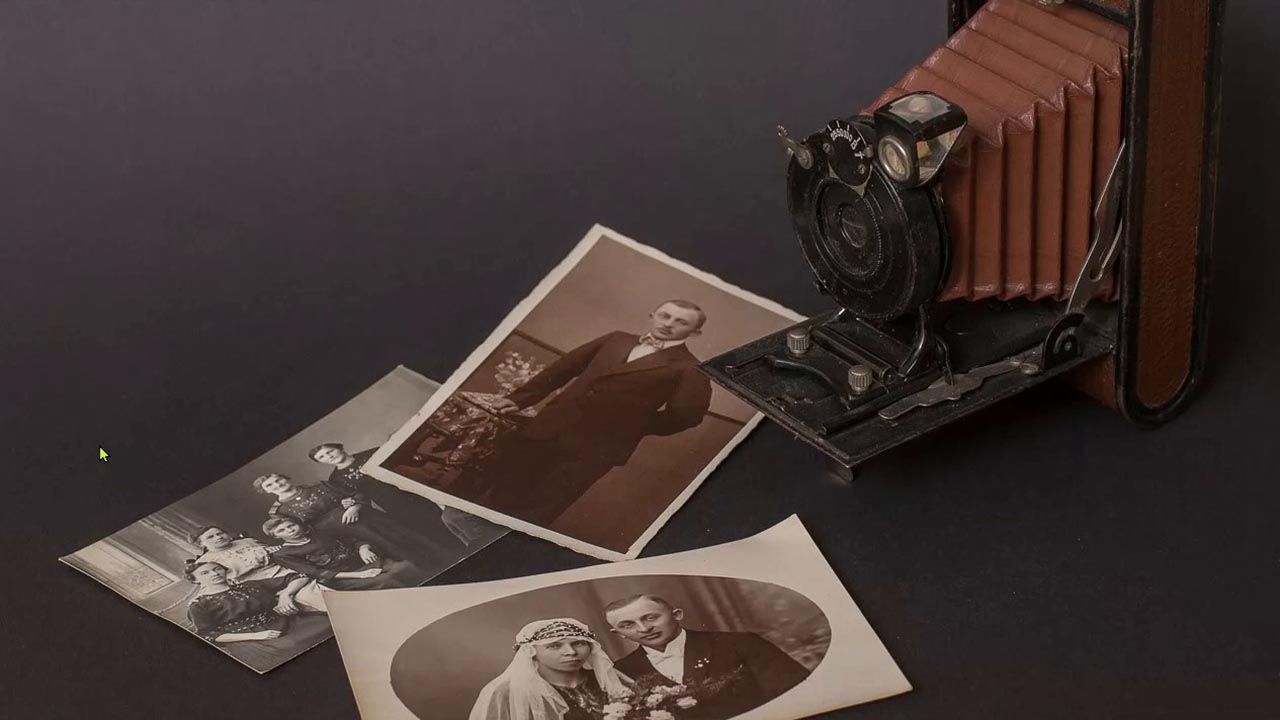
Cameras My Ancestors Held and What They Tell Us
Wed, October 7 2026: 16:45 UTC
Family pictures were originally portraits created in a studio by a professional photographer. Taken by professionals in their studios, the sessions were grand events! Imagine the excitement – spending the whole day getting dressed up for the one and only time in your life you were likely to have your picture taken. With the advent of the Kodak camera amateur photographers were able to record the family in any location. In these photographs we see how our ancestors lived. We see their friends and extended families over for a game or a picnic, the gang for a party, their homes inside and out. We might see them at work. They took pictures of prized possessions and events in their lives. There was an explosion in the number of family pictures recording every occasion. I have a collection of antique cameras owned by my ancestors. The very ones they held as they captured the moments in their lives. I also inherited the negative collection from my mother. To be useful in genealogy we need to be able to identify the people and places in the images and fix a date to them. The process of scanning them and then trying to identify who was in them is helped in part by being able to identify which camera was used. Cameras and film became available at a fixed date and later fell out of common usage. Each camera used either a different type of film or created an image of different ratios on the film. We will look at sorting the images by these different film stock and size ratios using this information to add to the knowledge we have about each photograph. Each piece of information we gather about the image helps us to identify the subject. The most important clue is to be able to fix the date that the photo was taken. This helps us narrow who the subject might be. No single clue can provide a date, but the sum of the evidence provides a good estimate. Clothing, hair styles, poses locations and backgrounds help us in our quest to identify the people and places. I was lucky to inherit the family negative collection. If people do not write on the beck of photographs, they definitely don’t identify who is captured on the negative and what was the date as well as the occasion. The process is like a great detective mystery. We just need to learn how to read the clues and follow them! Our family story is made richer with the addition of photographs. Names become individuals we can recognize and relate to.
Wed, October 7 2026: 16:45 UTC