Filters
0 webinars selected
Select all
Cancel

Historical Records

Watch webinars that focus on specific record categories including adoption, vital records, cemetery records, census records, city directories, immigration records, newspapers and more for locations around the world.

1
of
2,644 Webinars Clear filters
Sort by
Sort by
1:31:12
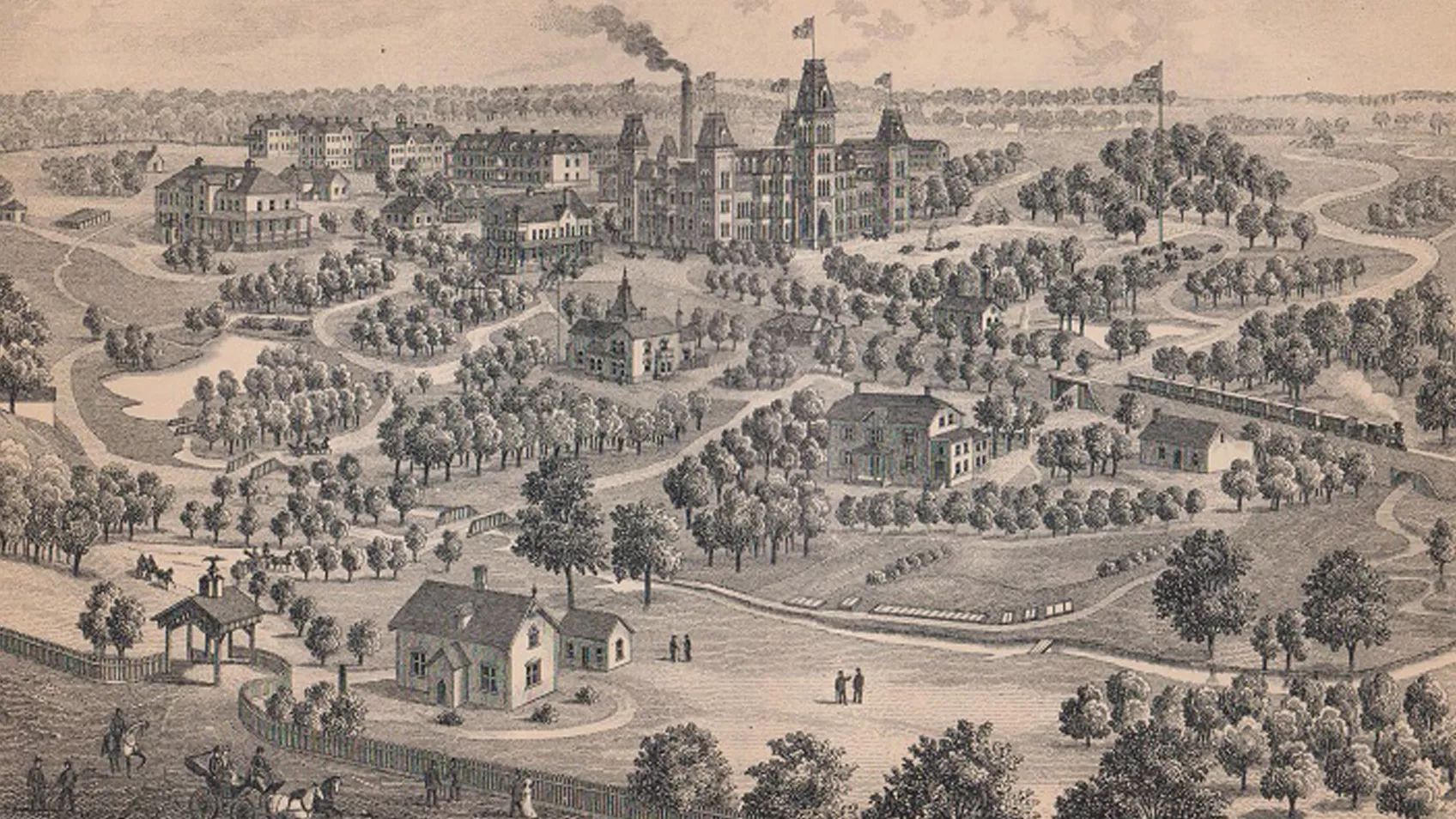
Soldier's Homes (1865-1930) Caring for our Veterans
The National Home for Volunteer Soldiers, was established by an act of Congress in 1865. The purpose of the home system (initially called the National Asylum) was to provide for the care of the large number of wounded and disabled veterans from the Civil War. Records of kinship and other
Wed, November 13 2019: 0:00 UTC

Upcoming Live Webinars

View all (238)
Wed, February 11 2026: 19:00 UTC
Searching for Sisters? Researching Catholic Nuns in the United States
Wed, February 11 2026: 19:00 UTC
Catholic nuns and sisters ran some of the U.S.’s earliest schools, orphanages, and hospitals; nursed on Civil War battlefields and during disease outbreaks; and served millions of Catholic immigrants and their families. Today, those nuns and sisters are mostly forgotten. Many changed their names and moved far from home, making it difficult for genealogists to recognize them in records. But those who can trace a woman into religious life may discover a rich trove of records about the sister and perhaps about her family. Sometimes records even survive for a religious order’s academy, hospital, or other ministry. Come see what you may be able to learn from the many archives of Catholic nuns and sisters from the author of the newly-published Searching for Sisters: Researching Catholic Nuns in the United States.
Wed, February 11 2026: 19:00 UTC
Thu, February 12 2026: 14:00 UTC
Spanish
Leyes de Indias: Leyes coloniales españolas y los registros que generaron
Thu, February 12 2026: 14:00 UTC
Desde la planificación urbanística hasta las relaciones con los nativos, «Las Leyes de Las Indias» gobernaron las colonias españolas de América del Norte y más allá, y crearon registros únicos para la investigación de cualquier persona con vínculos ancestrales con la América española. Los subtítulos y la voz de este vídeo se han doblado al español utilizando IA.
Thu, February 12 2026: 14:00 UTC
Fri, February 13 2026: 19:00 UTC
Breaking the 1870 Brick Wall: Comprehensive Strategies for Tracing Formerly Enslaved African American Ancestors
Fri, February 13 2026: 19:00 UTC
Overcoming the 1870 brick wall in African American genealogy is challenging, but possible. This session presents a clear, step-by-step roadmap for tracing formerly enslaved ancestors using the Genealogical Proof Method. Learn how to reconstruct the freedmen generation, identify potential enslavers, and mine enslaver records for hidden ancestral clues. We’ll explore records on Ancestry and FamilySearch, including census and vital records, Freedmen’s Bureau files, cohabitation records, and estate records. If you’re ready to move beyond 1870 and build a fuller picture of your family’s past, this webinar will equip you with the tools and confidence to begin.
Fri, February 13 2026: 19:00 UTC
Tue, February 17 2026: 14:00 UTC
Spanish
Documentación de cementerios con BillionGraves
Tue, February 17 2026: 14:00 UTC
Si las lápidas pudieran hablar, tendrían muchas historias que contar. Pero no pueden, por eso BillionGraves es la mejor alternativa. BillionGraves es la mayor base de datos del mundo sobre cementerios, conectada a un sistema GPS. Cuando se toman fotos con la aplicación BillionGraves en el teléfono, cada lápida se marca automáticamente con una posición GPS. A continuación, los datos son transcritos por voluntarios, transferidos a planos de cementerios y almacenados en los sitios web BillionGraves, FamilySearch y MyHeritage para millones de familias de todo el mundo y para las generaciones futuras. Los subtítulos y la voz de este vídeo se han doblado al español utilizando IA.
Tue, February 17 2026: 14:00 UTC
Wed, February 18 2026: 1:00 UTC
Lineage in Context: Creating a Compelling Kinship-Determination Project
Wed, February 18 2026: 1:00 UTC
Turn your research into a meaningful family narrative that meets BCG certification requirements. This session will demonstrate how to write a structured narrative lineage that both proves kinship and details the history of each couple. Topics include selecting an appropriate family line, placing families in context, organizing and analyzing evidence, meeting BCG’s standards, and documenting biographical details.
Wed, February 18 2026: 1:00 UTC
Wed, February 18 2026: 19:00 UTC
DNA in Action 1 of 6: Proving Your Pedigree with DNA
Wed, February 18 2026: 19:00 UTC
The series begins with sound genealogy methodology and principles and then explains their logical extensions when using autosomal DNA as a source of information to answer focused research questions. Karen will use a case example to prove the documented ancestors are consistent with the genetic evidence on a selected ancestral line. This lecture focuses on methodology and decision-making.
Wed, February 18 2026: 19:00 UTC