



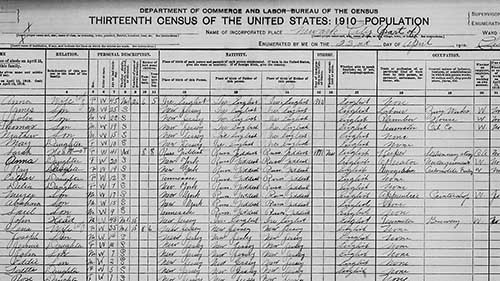
Census records often contradict one another. Ages change, names vary, and places of birth are inconsistent. This session demonstrates how to analyze and reconcile those conflicts through timelines, correlation with other records, and case studies that show how to draw conclusions from imperfect evidence.
In the complex world of genealogical research, census records are often viewed as foundational truths, yet they frequently present researchers with frustrating inconsistencies. The webinar “Case Studies in Census Conflicts – Resolving Contradictions Across Decades,” presented by Cheri Hudson Passey, provides a strategic framework for transforming these obstacles into valuable evidence. By shifting the perspective from “correcting” errors to “resolving” conflicts through historical context and correlation, the session demonstrates that discrepancies in age, birthplace, and relationships often hold the key to deeper family stories. This presentation is essential for any researcher looking to move beyond surface-level data and develop a more rigorous, evidence-based approach to family history.
Differentiate Between Minor Variations and True Conflicts: Not every discrepancy requires an exhaustive investigation. Minor shifts in age or spelling are common artifacts of the census-taking process, whereas contradictions affecting identity, origin, or family relationships demand a formal resolution through the correlation of multiple record types.
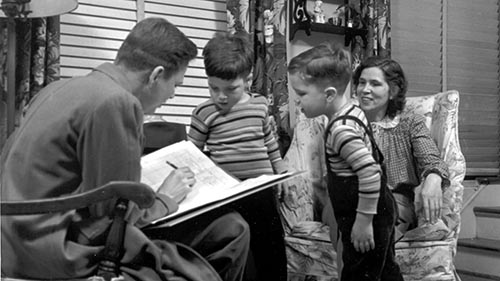
Prioritize Enumerator Instructions as a Research Tool: The rules governing how census takers collected data changed every decade. Understanding these specific instructions allows researchers to determine if a perceived “error” was actually the result of a specific census mandate or a misunderstanding between the informant and the official.
Leverage Context to Explain Duplications: Double enumerations and shifting household structures are often explained by historical disruption, such as the aftermath of the Civil War or temporary migration for work. Analyzing the “FAN club” (Friends, Associates, and Neighbors) can help confirm an individual’s identity even when they appear in unexpected locations.
To truly refine your research skills and learn how to document your findings with professional confidence, viewing the full webinar is highly recommended. Witnessing the detailed case studies—including a fascinating look at how one enumerator’s failure to follow instructions created a “phantom” ancestor—will equip you with the critical thinking skills necessary to tackle your own genealogical brick walls. Genealogists are encouraged to explore the additional resources and links provided in the accompanying syllabus t












 Facebook
 X
X
 Syllabus


This webinar focused on the exact problem I’m working on right now. In fact, Conflict #1is almost exactly what I’m trying to resolve/conclude. The seminar made me know that my process is correct. Thanks so much!!
This was an excellent webinar! I really appreciated the many research tips and the case studies where the speaker walked us through her methodology. I highly recommend this class.
What valuable information for every confused or frustrated researcher over a census—or any other document—conflict. And that’s all of us at some point.
I have so many of these exact same questions. It will be interesting to re-examine those conflicts after listening to today’s presentation. Thank you for an easy to follow syllabus. Clara Lawver in NE
I was very excited to figure out what I am missing in my search. Thanks for this webinar.
I have come across quite a few inconsistencies with the censuses… this webinar gave me great ideas to look at them in different ways. Thanks!
Critical thinking skills are essential to resolving conflicts. This webinar helps you develop or improve these skills. Great program!
Cheri is always a joy to listen to. So knowledgeable!