



This lecture explores how modern AI tools can assist genealogical research planning through the case of Sally Keaton, where the objective was to identify her children using limited historical records and DNA evidence. The presentation demonstrates how to structure effective research plans with AI assistance, covering essential elements including clear objectives, summaries of known facts, working hypotheses, identified sources, and prioritized strategies. Using Sally Keaton’s case as the central example, the lecture showcases practical AI tools, such as side-by-side editors: Canvas (ChatGPT and Gemini) and Artifacts (Claude); also advanced capabilities including reasoning models and organizational tools like ChatGPT’s Projects, Claude’s Projects, Perplexity’s Spaces, and Gemini Gems. While AI can create research plans on its own, human-AI collaboration produces better results. When researchers guide and refine AI-generated strategies instead of using fully automated planning, they achieve more accurate results.
Genealogical problems rarely yield to a single record search—and this webinar demonstrates how artificial intelligence can support stronger human-led research planning rather than replace it. In “AI as Partner, Not Replacement: Human-Led Research Planning in the Sally Keaton Case,” Nicole Elder Dyer walks through a real case study to show how AI can help organize evidence, sharpen hypotheses, and brainstorm next steps while keeping the genealogist firmly in charge. The session is especially relevant for researchers facing scattered clues, uncertain identities, or multi-state migration patterns, and it highlights practical ways to combine solid methodology with newer AI features for more focused, efficient progress.
Research planning is positioned as a skill that separates “busy searching” from effective problem-solving. The webinar reinforces core elements—objective, known facts, working hypothesis, source identification, and prioritized strategy—while explaining how planning reduces duplicated effort, improves continuity after interruptions, and encourages better source selection.
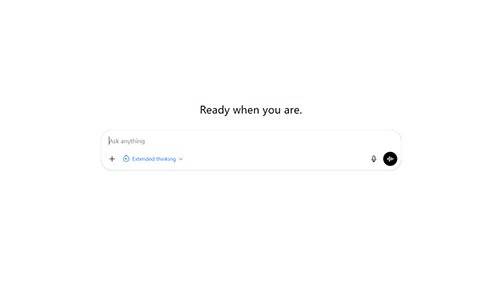
Three AI capabilities are showcased for planning work: side-by-side editors, reasoning modes, and project-style workspaces. Tools such as Canvas/Artifacts, “think longer” or extended thinking, and Projects/Spaces/Gems are framed as ways to draft and refine a plan, keep large bodies of notes and locality material together, and improve multi-step reasoning for complex questions.
A case study comparison reveals the real value: AI accelerates drafting, but accuracy and completeness still depend on human oversight. The Sally Keaton investigation illustrates how AI can produce clean summaries and structured hypotheses, yet can omit relevant details, perpetuate transcription errors, or overstate the strength of DNA evidence unless guided carefully. Strategies for reducing confirmation bias—such as requesting alternative hypotheses—add a particularly useful research discipline.
Viewing the full webinar is recommended for the live demonstrations that show how prompts, settings, and workspace features change results, and for the nuanced comparison between AI-generated planning versus collaborative, human-directed planning. The complete session also provides additional examples of how to prioritize next steps, balance documentary research with DNA strategies, and keep a plan adaptable as new evidence emerges. For a deeper, more actionable experience, be sure to explore the extra resources included in the syllabus—designed to support repeatable workflows, strengthen locality research, and help turn promising clues into a clear, testable path forward.










 Facebook
 X
X
 Syllabus


Very good, I came in in the middle of it so I will have to watch it again.
Excellent!
This webinar was so on point for me. I am researching my maternal side in the same area. I must listen again.
Very great step by step instructions
Wow, a great comparison of hypothesis research plans, and what to consider.
Wonderful. Thank you Nicole for the excellent syllabus that you followed to a T. Very helpful to me as you verified some of the practices I had done in the past.
I loved that she gave examples from her personal family tree to backup how a search by her vs. AI works. She gave some wonderful information and good examples of what AI sources to use for genealogical research. Thank you!
Nicole provides a thorough and helpful presentation of tips and great understanding by placing them in useful and recognized context.