Using AI to Answer the Big Three: What, Where, and Why of Ancestor Locations

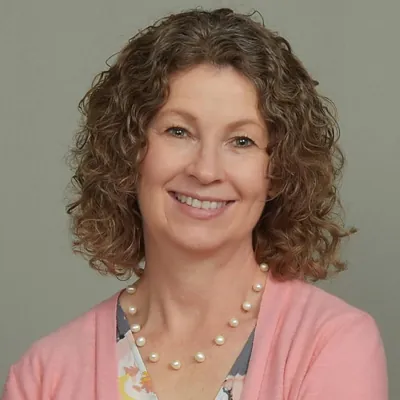
Diana Elder, AG, AGL
Free

This presentation demonstrates how you can utilize artificial intelligence tools to enhance the traditional locality research framework, which involves investigating “What is Happening,” “Where is it Happening,” and “Why is it Happening” in your ancestors’ communities. You’ll learn practical applications such as timeline analysis, identifying migration patterns, summarizing historical content, and organizing jurisdictional information using Custom GPTs and effective prompting techniques.
Wed, September 2 2026: 14:00 UTC

About the speaker

About the speaker

Diana Elder AG, is a professional genealogist accredited in the Gulf South region of the United States and serves as a Commissioner for The International Commission for the Accreditation of Professional Genealogists (ICAPGen). Diana authored R
Learn more...

Related Webinars

Foundations in AI for Family History 2 of 5: Prompt Power—Getting Better Answers from AI
Thu, January 22 2026: 1:00 UTC
Learn the principles, tools, and responsible practices for using AI in your genealogical research.
Thu, January 22 2026: 1:00 UTC
Foundations in AI for Family History 3 of 5: Using AI Responsibly: Principles and Ethics
Thu, January 29 2026: 1:00 UTC
Learn the principles, tools, and responsible practices for using AI in your genealogical research.
Thu, January 29 2026: 1:00 UTC
Foundations in AI for Family History 4 of 5: Smart Tools—AI Helpers for Genealogy Tasks
Thu, February 5 2026: 1:00 UTC
Learn the principles, tools, and responsible practices for using AI in your genealogical research.
Thu, February 5 2026: 1:00 UTC
Foundations in AI for Family History 5 of 5: Building Your AI Workflow and Digital Crew
Thu, February 26 2026: 1:00 UTC
Learn the principles, tools, and responsible practices for using AI in your genealogical research.
Thu, February 26 2026: 1:00 UTC
Thu, March 12 2026: 0:00 UTC
From Research to Data with AI 1 of 5: From Records to Raw Data—Extracting with AI
Thu, March 12 2026: 0:00 UTC
Use AI to extract, clean, organise, and analyse your family history research. Intermediate level, focused on workflows and data handling; ideal for users managing large research projects; activities include table-building, clustering, and data cleaning.
Thu, March 12 2026: 0:00 UTC
From Research to Data with AI 2 of 5: Cleaning Up—Fixing, Formatting, and Validating Data
Thu, March 26 2026: 0:00 UTC
Use AI to extract, clean, organise, and analyse your family history research. Intermediate level, focused on workflows and data handling; ideal for users managing large research projects; activities include table-building, clustering, and data cleaning.
Thu, March 26 2026: 0:00 UTC
Wed, April 1 2026: 1:00 UTC
Organizing AI Research: Saving and Searching Your Best Genealogy Chats
Wed, April 1 2026: 1:00 UTC
AI chatbots are transforming genealogy, but how do you make sure your most important discoveries aren’t lost in a sea of conversations? This practical session will show you how to collect, organize, search, and future-proof your best LLM (Large Language Model) chats—across platforms like ChatGPT, Claude, and Gemini. You’ll learn step-by-step workflows, smart tagging and annotation, and automated tools to find and preserve your key research insights. Ensure your most important chats don’t get lost, forgotten, or accidentally deleted.
Wed, April 1 2026: 1:00 UTC
From Research to Data with AI 3 of 5: Organising Information—Tables, Tags, and Templates
Thu, April 9 2026: 0:00 UTC
Use AI to extract, clean, organise, and analyse your family history research. Intermediate level, focused on workflows and data handling; ideal for users managing large research projects; activities include table-building, clustering, and data cleaning.
Thu, April 9 2026: 0:00 UTC