That First Trip to the Courthouse
Judy G. Russell, JD, CG®, CGL®, FUGA

Content


About this webinar
If there is one home truth in genealogy research, it's this: not everything is available online. Sooner or later, every genealogist has got to make that first trip to the courthouse to check out the original records available there. Learn how to prepare for that trip, the rules of the road, what to expect, what to ask for, and how to be sure you'll be welcomed back the next time.
About the speaker

Key points and insights
Entering a county courthouse for in-person genealogical research can feel imposing, sterile, or deeply intimidating to family historians. However, as legal genealogy expert Judy Russell explains, local courthouses contain a vast, un-microfilmed wealth of historical details that cannot be found online. By shifting your focus from casual family storytelling to targeted, methodical preparation, a physical trip to a local government office transforms into an incredibly rewarding archival adventure. This guide outlines systematic planning strategies, hidden record groups, and behavioral etiquette designed to help researchers successfully break through genealogical brick walls and safely navigate original legal document systems.
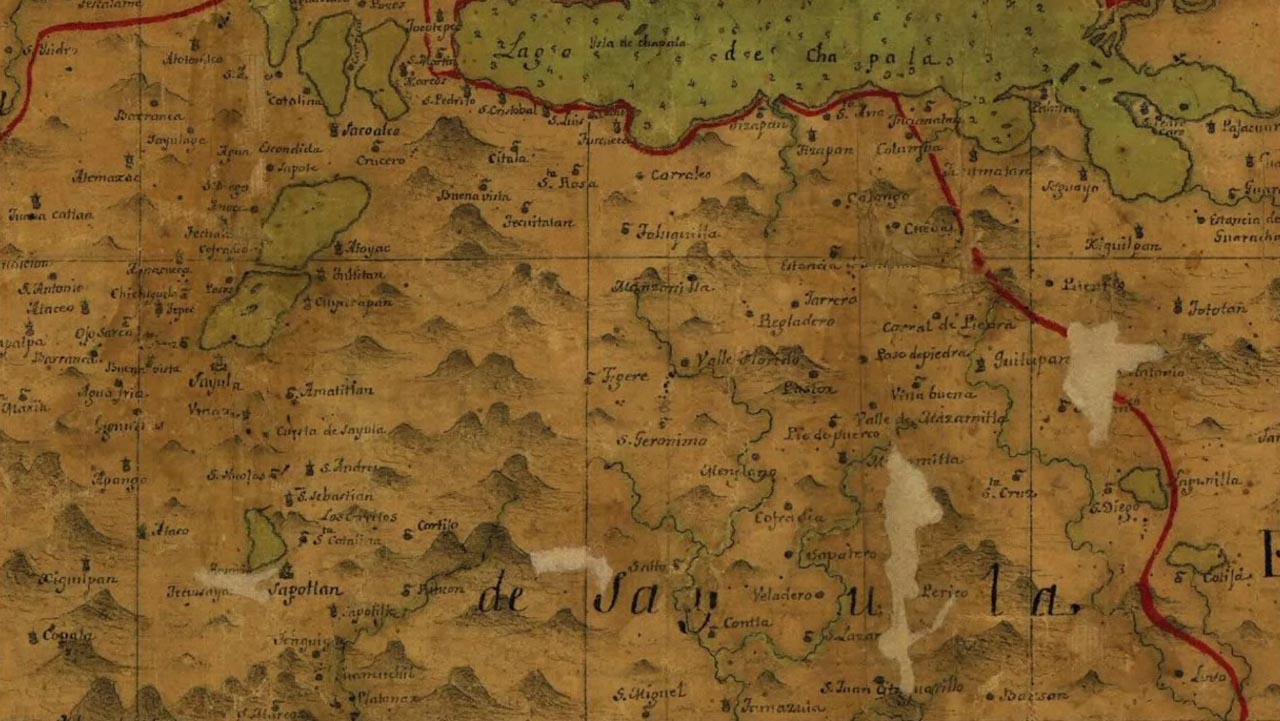
- Tracking Changing Jurisdictions: Ancestors frequently appear across multiple distinct county record sets over a short period without ever physically moving their households. Boundary adjustments were a constant reality during early historical settlement expansion, making it vital to map your target family timeline against evolving historical borders. Tools like specialized mapping software or state historical boundary collections should be consulted in advance to isolate the exact local offices holding the target records for a specific year.
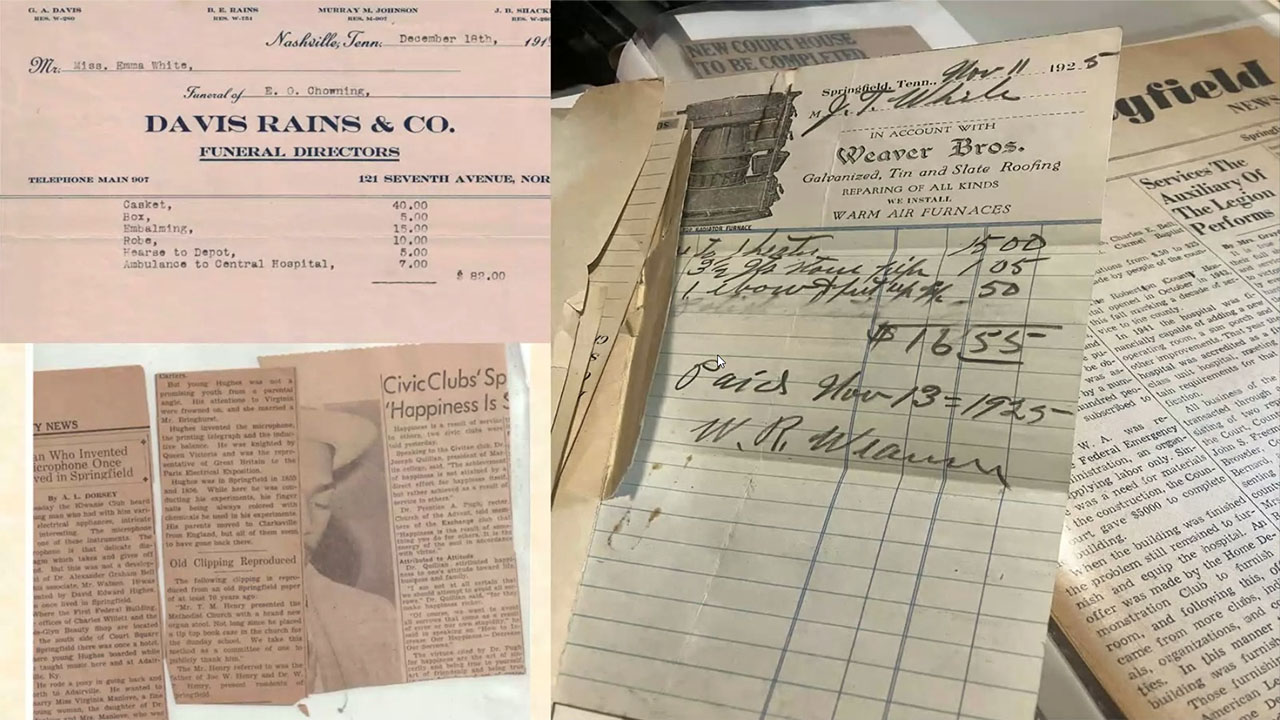
- Prioritizing Un-digitized Content: Maximizing a physical trip requires exhausting readily accessible microfilms, state digital networks, and online databases beforehand. While basic vital indexes are often heavily duplicated online, core foundational documents like local deeds, property tax files, and chancery court actions frequently remain exclusively physical and require hands-on retrieval.
- Navigating Medical Asylum Boundaries: Historical access to local medical and institutional records long faced strict text barriers under federal health privacy parameters. However, major regulatory changes to federal HIPAA standards shifted control back to individual state laws, opening up previously sealed late-19th and early-20th-century institutional asylum registries for state-level historical analysis.
Before departing, family historians must thoroughly investigate specific local office rules, security bans (such as strict electronic property or mobile phone restrictions), elevator availability, and copying fees. When packing your gear, select appropriate apparel like flat shoes and long sleeves to protect against old storage dust mites and open ladders. Always bring pencils, an active research log, and an exact copy of the target state's public records or freedom of information statute to legally verify your right to review historic documents.
Upon crossing the security threshold, utilize the building's floor map to bypass directional confusion and immediately isolate the correct target record rooms. When interacting with staff, be polite, concise, and highly specific regarding the record books and year ranges you need rather than detailing extended family trees.
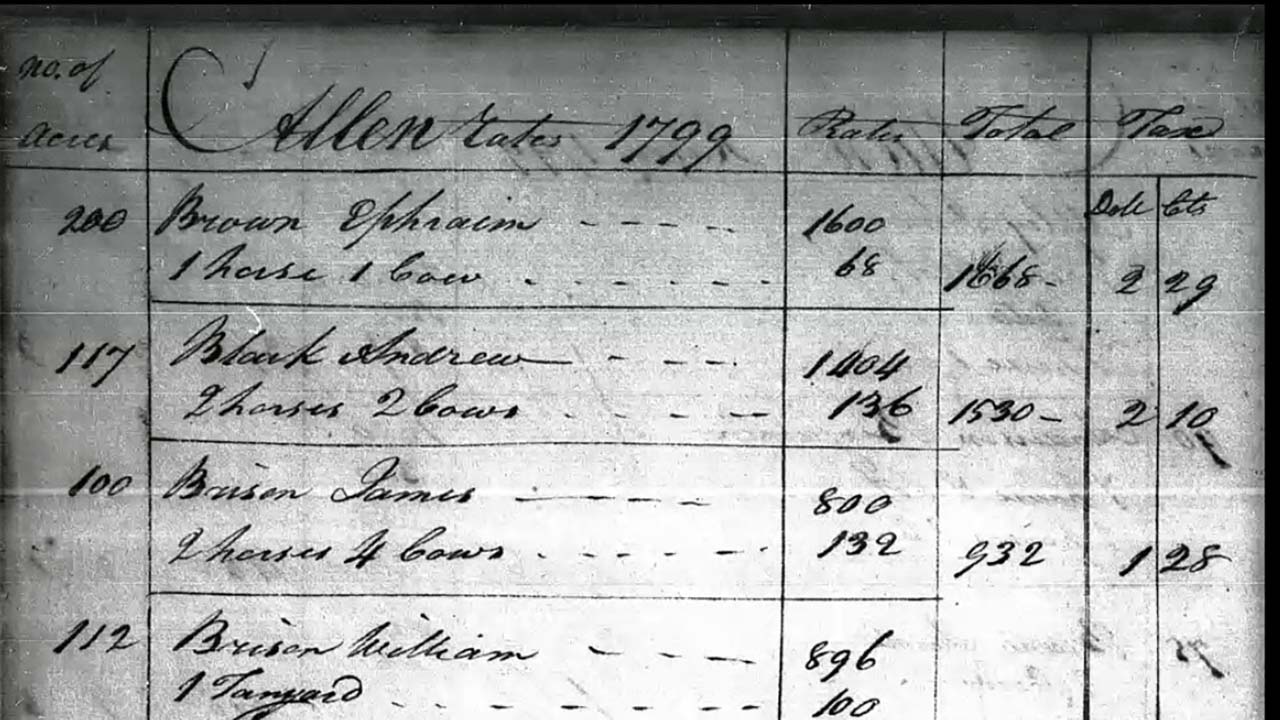
Look beyond general wills and deeds to inspect atypical books on the open shelves. These include road maintenance orders, livestock ear-branding marks, coroner inquest files, apprenticeship indentures, and neighborhood poll tax listings.
Ultimately, family historians should remember that viewing an original paper document provides a layer of legal verification that digital images cannot replicate. Inspecting physical archives allows researchers to note distinct ink colors, marginal annotations, and physical updates that prove legal documents were amended at entirely separate times. Maintaining a professional, respectful presence with busy clerks ensures both your own future access and a welcoming environment for the genealogists who follow.
Related webinars
 01:05:03
 01:06:21
 01:15:56
 01:00:23
 00:57:39
 00:58:35
 01:20:04