Content


About this webinar
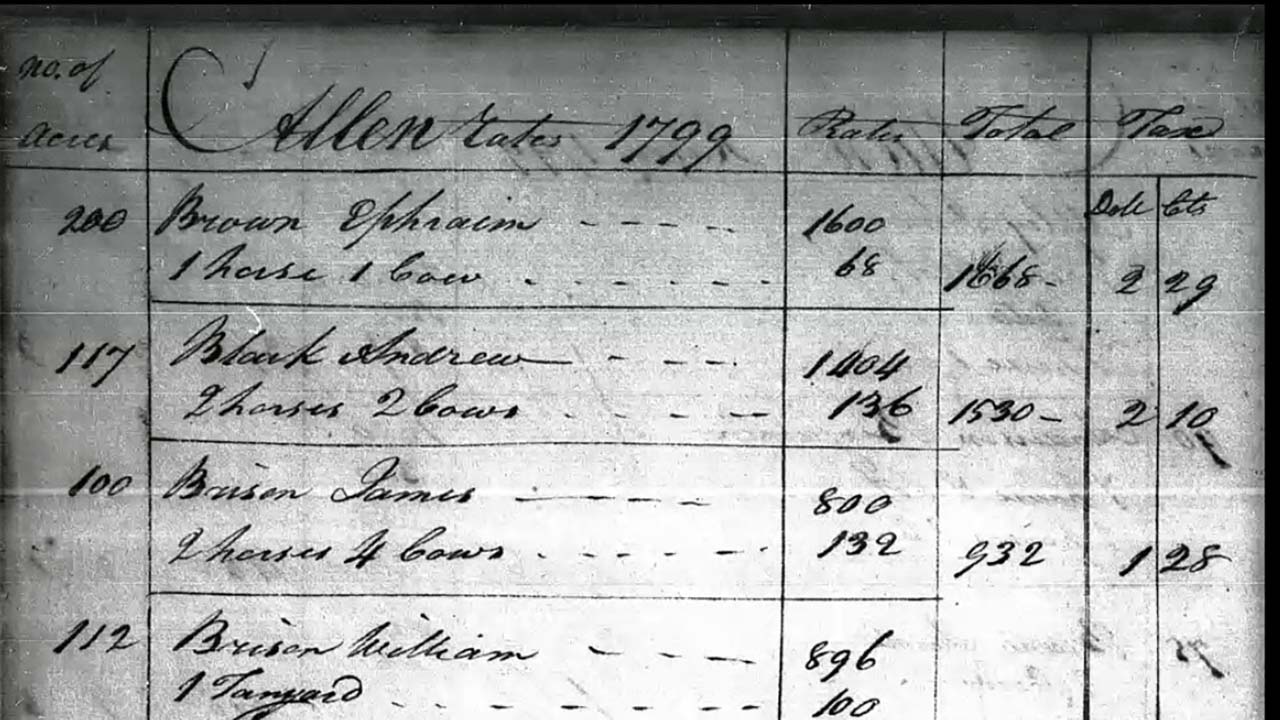
People record evidence of where they live by their property, pay taxes on property, give away property, buy and sell property, fight over property, and will property to heirs. When understood and used properly, land records comprise one of the most important genealogical sources for research in America.
About the speaker

Key points and insights
Land records represent one of the most reliable and complete resource groups in United States genealogy due to the profound legal and financial protections historically associated with land ownership. In this insightful webinar, accredited genealogist Mary Hill explains how these records can help family historians solve complex lineage problems and reconstruct ancestral communities. Prior to 1860, approximately 90% of adult white males in America owned land, making it highly probable that an ancestor left a property trail. By understanding how land moved from governments to individuals and subsequent buyers, researchers can locate vital clues often missing from census or vital registries.
- Deciphering Distinct Survey Systems: Property records are divided by geography into 20 state land states using metes and bounds, and 30 federal land states utilizing the rectangular township and range grid system. Metes and bounds surveys rely on directional angles, distances, and temporary natural landmarks like trees or rocks, often revealing the names of neighboring relatives or chain carriers within the text.
- Recovering Female Lines via Dower Rights: Under historical dower laws, a married woman held a legal right to one-third of her husband’s real estate upon his death. Consequently, when a husband sold property, the wife was required to sign a separate dower release, providing crucial evidence of her first name during eras when women were excluded from federal census naming practices. Furthermore, deeds tracking a widow's sale of her dower shares frequently name both her deceased spouse and her new husband if she remarried.
- Navigating Specialized Indexes and Heirs: Property records require cross-referencing grantor (seller) and grantee (buyer) indexes, alongside specific mortgagor and mortgagee files. Genealogists must look for the legal Latin abbreviation "et al." ("and others"), which typically signals estate partitions among multiple unnamed heirs. Additionally, if an ancestor lost land due to financial default or foreclosure, the transaction is indexed under the local sheriff's name rather than the family surname.
Family historians are highly encouraged to view the full recorded webinar to observe live catalog navigation strategies and real-world case studies. Accessing the complete presentation offers a detailed framework for tracing land acquisition across five separate stages, from initial application to final patent delivery. To ensure an optimized research path, researchers are invited to download the comprehensive four-page syllabus and explore the verified repository networks mapped within the digital guides. Reviewing these master records transforms dry legal boundaries into vibrant biographical histories, unlocking family secrets hidden beneath the soil.
Related webinars
 01:05:03
 01:06:21
 01:15:56
 01:00:23
 00:57:39
 00:58:35
 01:20:04