Plongée dans le recensement canadien de 1931 récemment publié

Mike Mansfield
CC
Free
French

Avec la publication finale du recensement canadien de 1931 le 1er juin 2023, une nouvelle fenêtre s’ouvre sur la vie des ancêtres qui vivaient au Canada au début du XXe siècle ! Ce recensement offre un aperçu du Canada à une période historique fascinante et difficile, quelques années après le début de la Grande Dépression. Joignez-vous à nous pour explorer en profondeur cette collection tant attendue et découvrir ce que vous pouvez apprendre sur vos ancêtres qui vivaient au Canada à cette époque.

Les sous-titres et la voix de cette vidéo ont été doublés en français à l’aide de l’IA.
Thu, September 17 2026: 14:30 UTC

About the speakers

About the speakers

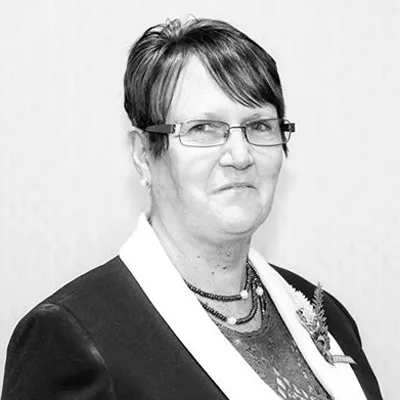
Mike Mansfield works for MyHeritage.com as the Director of Content Operations. Previously Mike has worked for Ancestry.com and FamilySearch and has been active in the genealogy and family history domain for the last 20 years. Mike has presented at
Learn more...
MyHeritage is the leading global destination for discovering, preserving and sharing family history. Our platform and DNA kits make it easy for anyone, anywhere to embark on a meaningful journey into their past and treasure their family stories fo
Learn more...

Related Webinars

Wed, February 4 2026: 16:30 UTC
Advanced Census Research: Understanding Census Enumerators and Their Instructions
Wed, February 4 2026: 16:30 UTC
The census is one of our basic research tools, but basic doesn’t equal simple. Often a census record can raise as many questions as it answers, and some of those questions may seem unanswerable. Learn how an understanding of who the enumerators were, what their instructions prescribed, and some of the many ways they deviated from the instructions can answer many of the questions raised by census research.
Wed, February 4 2026: 16:30 UTC
Wed, February 4 2026: 17:45 UTC
The Many Faces of the Census: Beyond the Population Schedule – Agricultural, Mortality, and Industry Records
Wed, February 4 2026: 17:45 UTC
Most researchers stop at the population schedule, but census records also include valuable schedules that document farms, businesses, deaths, and community life. This session explores agricultural, mortality, and industry schedules, showing how they can be used to add depth to family history.
Wed, February 4 2026: 17:45 UTC
Wed, February 4 2026: 19:00 UTC
Case Studies in Census Conflicts – Resolving Contradictions Across Decades
Wed, February 4 2026: 19:00 UTC
Census records often contradict one another. Ages change, names vary, and places of birth are inconsistent. This session demonstrates how to analyze and reconcile those conflicts through timelines, correlation with other records, and case studies that show how to draw conclusions from imperfect evidence.
Wed, February 4 2026: 19:00 UTC
Wed, February 4 2026: 20:30 UTC
Context in the Count: Interpreting the U.S. Census With a Historical Perspective
Wed, February 4 2026: 20:30 UTC
The U.S. federal census wasn’t designed with genealogists in mind; it was created to meet the changing needs of a growing nation. This session takes you beyond the names and numbers, exploring the historical context behind each census from 1790 to 1950. We’ll examine how shifting questions, enumeration methods, and national priorities have shaped the records we rely on today. By understanding the “why” behind the census, you’ll gain tools to interpret your ancestors’ entries with greater accuracy and uncover richer stories hidden in the data.
Wed, February 4 2026: 20:30 UTC
Thu, April 16 2026: 14:00 UTC
French
Retrouvez vos ancêtres canadiens sur MyHeritage
Thu, April 16 2026: 14:00 UTC
Cette session vous montrera comment MyHeritage peut vous aider à retrouver vos ancêtres canadiens grâce à des filtres lors de vos recherches dans les archives. Une liste des archives canadiennes disponibles vous sera fournie. Les sous-titres et la voix de cette vidéo ont été doublés en français à l'aide de l'IA.
Thu, April 16 2026: 14:00 UTC
Fri, April 17 2026: 18:00 UTC
Researching Métis Ancestors: Origins, Scrip, and Red River Records
Fri, April 17 2026: 18:00 UTC
In the late 18th century, Scotsmen traveled to York Factory to work with the HBC. Women and children were not allowed to travel with the men. Being indentured for 3-5 years, these men often coupled with Cree women, creating the Mètis Nation. HBC’s rival, the Quebec-based Northwest Company, sent their men to the Red River area to trap over the winter months. These men also coupled with the Cree women, adding French blood to the Métis. In this presentation, we will discuss 1) Who are the Métis? 2) Researching Métis Scrip 3) Researching ancestors from the Red River 4) Resources for research.
Fri, April 17 2026: 18:00 UTC
Tue, May 5 2026: 13:00 UTC
French
Les Filles du Roi
Tue, May 5 2026: 13:00 UTC
Dans cette présentation, nous examinerons le rôle joué par les citoyens québécois (francophones) dans la Révolution américaine, leur contribution à la cause et leur résistance au gouvernement britannique. Cette participation de ces « patriotes canadiens-français » peut permettre l'adhésion aux sociétés des Filles de la Révolution américaine (D.A.R.) ou des Fils de la Révolution américaine (S.A.R.). Nous explorerons l'histoire du Québec (Nouvelle-France) avant 1776 et les lieux où se sont déroulés les combats de la Guerre d'Indépendance au Québec. Après une brève description des sociétés généalogiques, nous présenterons des ressources permettant d'établir une filiation avec un patriote canadien-français. Enfin, trois études de cas seront examinées.
Tue, May 5 2026: 13:00 UTC
Fri, June 5 2026: 18:00 UTC
Essential Skills for New Genealogists 3 of 12: U.S. Census Records from 1790-1950 and Beyond
Fri, June 5 2026: 18:00 UTC
Background on census creation; constitutionally-mandated headcount; pre-1820 tables and their use; 1830 & 1840, with the slave schedules; 1850-70, including the mortality schedules; 1880, and relationships to heads of household; 1890 and its destruction; 1900-1910, with special questions; 1920-1950 with their special characteristics (1920: date; 1940, informant’s identity, etc.).
Fri, June 5 2026: 18:00 UTC
Fri, June 12 2026: 15:00 UTC
Land Records of Upper Canada 1 of 3: Crown Land Petitions
Fri, June 12 2026: 15:00 UTC
A comprehensive guide to Ontario land research, including crown land petitions, heir and devisee commission files, and land registry office records. Land was central to our ancestors’ lives. This three-part series covers: (1) Crown Land Petitions, (2) Heir & Devisee Commission Files, (3) Land Registry Office records. Each session uses case studies to demonstrate how these records solve genealogical mysteries.
Fri, June 12 2026: 15:00 UTC