Using Tax Lists to Solve Genealogical Problems
Linda Woodward Geiger

Content


About this webinar
Benjamin Franklin is said to have stated, "The only things certain in life are death and taxes." Taxation can take (and has taken) many forms. The mission of this presentation is to discuss some of they ways in which our ancestors were taxed, the records that were created, and where we might find those records. Additionally you'll learn how those tax records may help you solve some of your genealogical questions.
About the speaker

Key points and insights
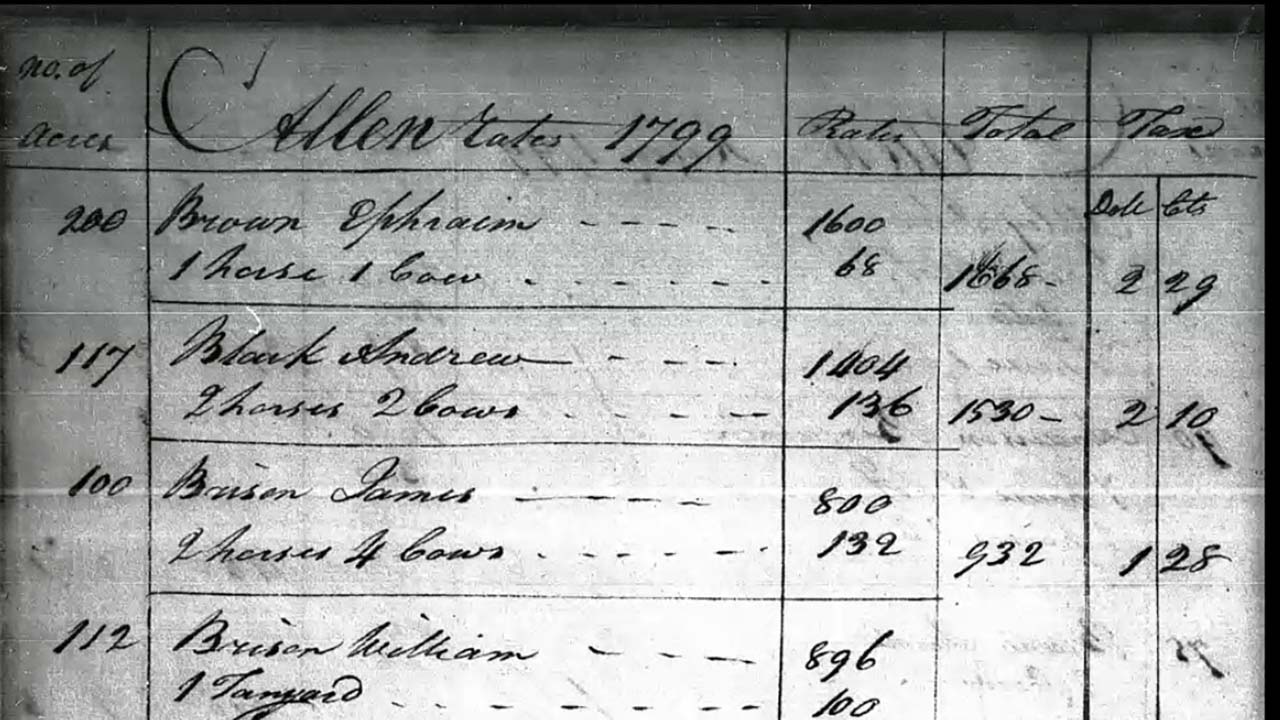
Genealogical research frequently encounters frustrating obstacles when traditional records are missing or destroyed. In this informative webinar hosted by Jeff Rasmussen, professional researcher and lecturer Linda Woodward Geiger demonstrates how historical tax lists serve as a powerful tool to overcome these common research brick walls. Because tax digests were collected annually and often predate federal censuses, they provide a continuous, year-by-year chronological timeline of an ancestor’s residency, land ownership, and community standing. This presentation details how various forms of taxation—including real property, personal property, and poll taxes—can reveal vital clues about an individual's lifestyle, age, and relationships, making it an essential methodology for family history research.
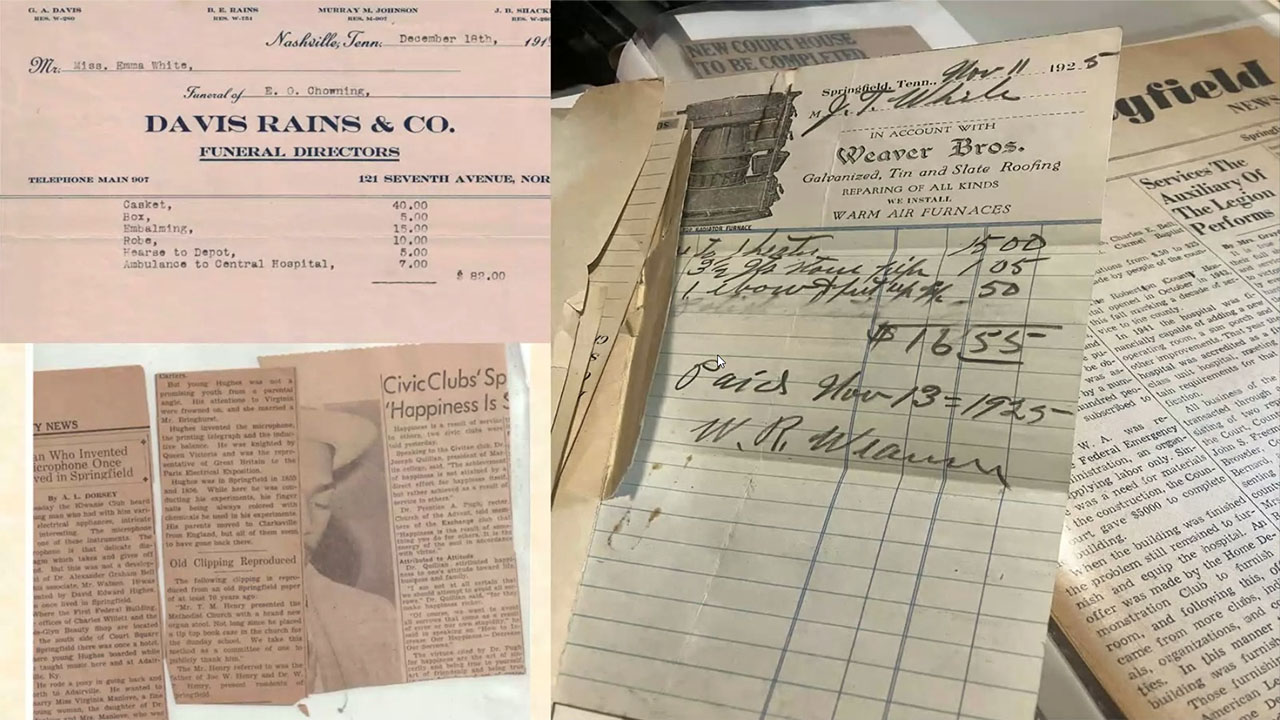
- Socioeconomic Context and Lifestyle Clues: Tax records capture far more than just monetary data; they document specialized assets such as pleasure carriages, slaves, business inventory, and luxury items, which help researchers distinguish between individuals with identical names and accurately assess an ancestor's socioeconomic standing within the community.
- Substitutes for Missing Records: In instances where county courthouses suffered fires or devastating document loss, annual tax lists frequently survive at the state archives as derivative copies, serving as an excellent alternative for destroyed deeds and missing land documentation.
- Determining Vital Milestones and Shifting Boundaries: Analyzing when an individual appears on or disappears from poll tax rolls allows genealogists to estimate precise legal milestones, such as reaching the age of 21 or qualifying for senior exemptions at age 60, while closely monitoring historical boundary alterations ensures that a change in tax jurisdiction is not mistaken for a physical relocation.
To fully grasp these strategies and observe case studies detailing how subtle tax entries can uncover hidden guardianships, identify widows, and track down family relationships, viewing the complete webinar presentation is highly recommended. The full video session offers essential guidance on navigating complex laws, interpreting historical terminology like "watercourses," and utilizing indexing tools. Genealogists are strongly encouraged to access the recorded session on familytreewebinars.com and explore the accompanying three pages of supplemental syllabus materials to integrate these invaluable tracking techniques into their own research toolkits.
Related webinars
 01:05:03
 01:06:21
 01:15:56
 01:00:23
 00:57:39
 00:58:35
 01:20:04