Using Court Records to tell the Story of our Ancestors' Lives
Judy G. Russell, JD, CG®, CGL®, FUGA


Content


About this webinar
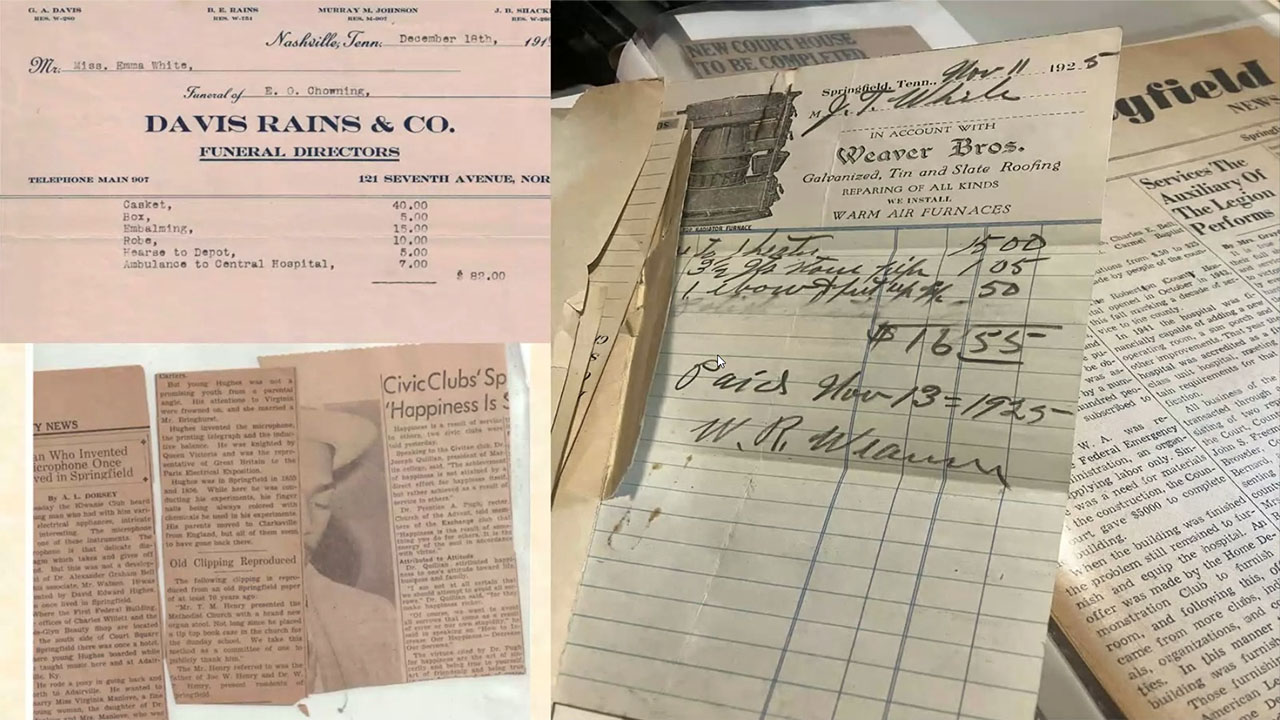
Early court records give us evidence to prove who our ancestors were. But they're even more wonderful in helping us understand how our ancestors lived. Learn how to use court records to add richness and depth to help tell your family's story.
About the speaker

Key points and insights
Genealogical research often relies heavily on census transcripts and vital statistics, yet court records offer an unmatched window into the daily realities of ancestral lives. In this illuminating webinar hosted by Geoff Rasmussen, featured speaker Judy Russell—a certified genealogist with a legal background—demonstrates how court files transcend basic names and dates to reconstruct rich historical narratives. By exploring local and appellate legal actions, researchers can uncover deep contextual details regarding the social, economic, and community dynamics that influenced ancestral families. This presentation underscores that legal history is not merely a tool for breaking through research barriers, but a vital mechanism for understanding the true fabric of a historical community.
- Transcending Basic Vital Data to Discover Human Stories: While traditional family records outline basic life events, county court records uncover hidden human drama, neighbor disputes, and unexpected hardships, such as a youth caught in a serious local conflict. These documents provide vivid narratives about behavioral choices, legal disputes, and interpersonal relationships within a historical neighborhood.
- Utilizing Diverse Court Levels for Local and Broader Context: County courts manage minor offenses, probate matters, and local economic regulations, directly reflecting daily communal experiences. In contrast, higher appellate courts yield published written opinions detailing case facts and judicial reasoning, allowing investigators to gather broad societal history even if a specific ancestor is not explicitly named.
- Extracting Social Realities by Reading Beyond Named Parties: Analyzing surrounding court entries—such as widow provision allowances, tavern price controls, or animal bounties—reveals the local cost of living and historical community anxieties. These records clarify a historical era's financial environment, barter economies, and primitive medical practices, significantly enriching any family biography.
To learn how to locate these dynamic repositories, decipher historical handwriting, and navigate public record access laws, exploring the full recorded webinar is highly recommended. Viewing the complete presentation provides immediate practical strategies for leveraging digital databases, state archives, and professional research networks to advance family histories. Genealogists are strongly encouraged to examine the comprehensive seven-page syllabus accompanying this session, which features extensive legal references, law dictionary guides, and foundational exercises designed to maximize archival efficiency. Delving into these specialized materials will empower researchers to look beyond basic indexes, enabling them to successfully breathe life into their family histories.
Related webinars
 01:05:03
 01:06:21
 01:15:56
 01:00:23
 00:57:39
 00:58:35
 01:20:04