Oui! Comprendre l’histoire et les archives du Québec

Lisa Elvin-Staltari
Free
French

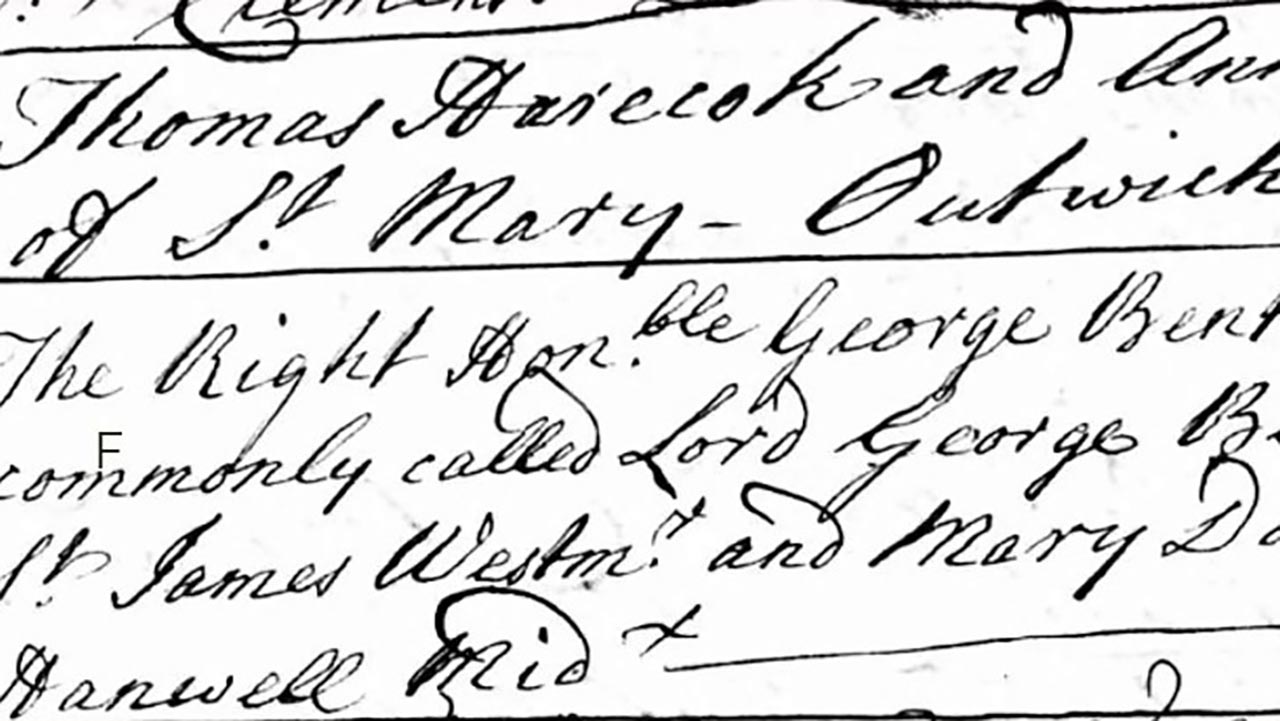
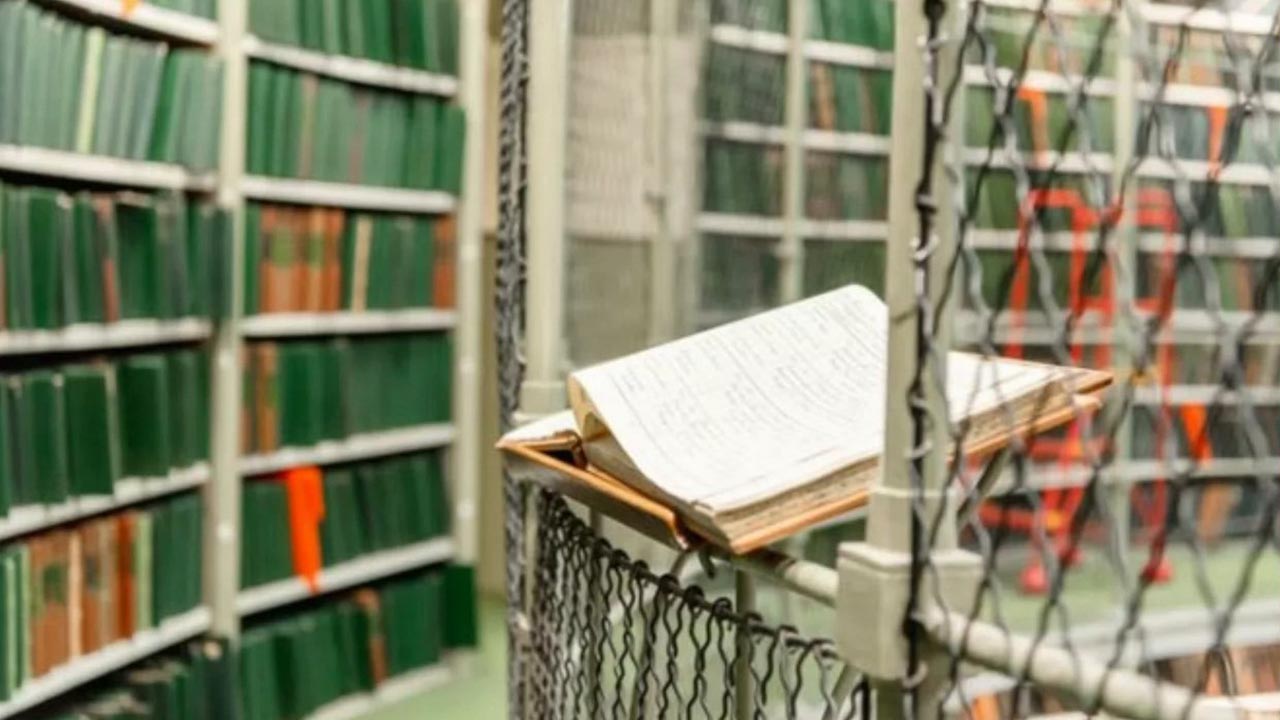
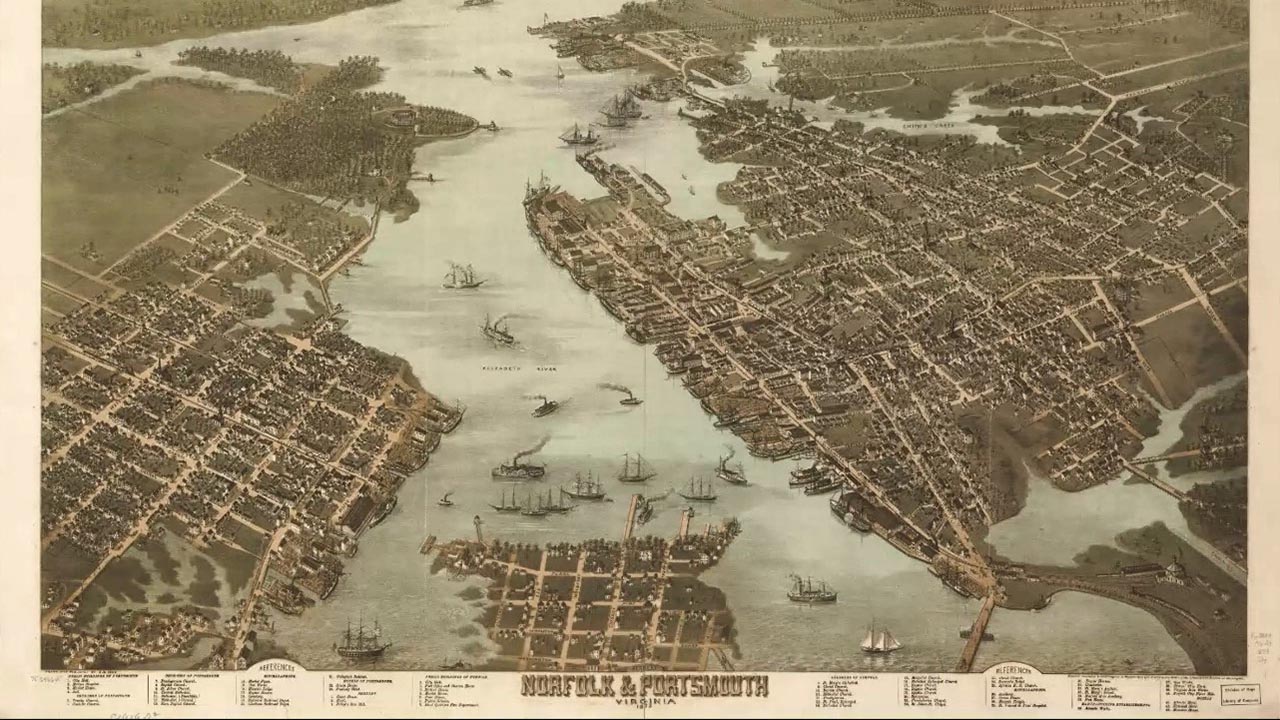
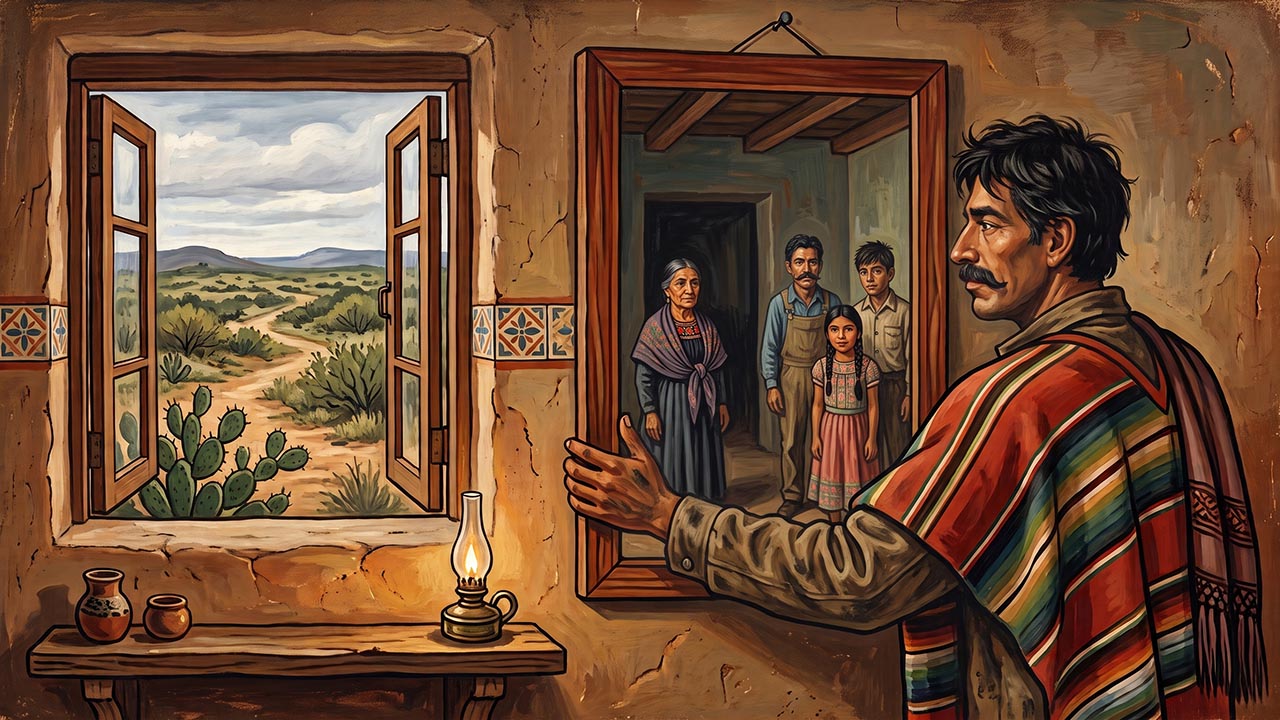
Partez à la découverte de la riche histoire du Québec et des ressources essentielles qui donnent vie à vos ancêtres franco-canadiens. Ce séminaire présente les principales sources d’archives – registres paroissiaux, actes notariés, recensements et documents fonciers – et explique comment l’histoire unique du Québec a influencé la manière dont ses habitants ont été enregistrés. Vous apprendrez où trouver des collections en ligne fiables, comment décrypter les particularités des noms de famille franco-canadiens et obtiendrez des conseils pour retracer vos ancêtres dans la vallée du Saint-Laurent et au-delà. Idéale pour les débutants comme pour les chercheurs chevronnés, cette session vous permettra de vous lancer avec confiance dans vos recherches généalogiques au Québec.

Tue, September 22 2026: 13:00 UTC

About the speaker

About the speaker

Lisa Elvin-Staltari est une généalogiste professionnelle forte de plus de 20 ans d’expérience dans la recherche des origines familiales. Issue d’une mère canadienne-française et d’un père canadien-anglais, elle a grandi à Drummon
Learn more...

Related Webinars

Tue, May 5 2026: 13:00 UTC
French
Les Filles du Roi
Tue, May 5 2026: 13:00 UTC
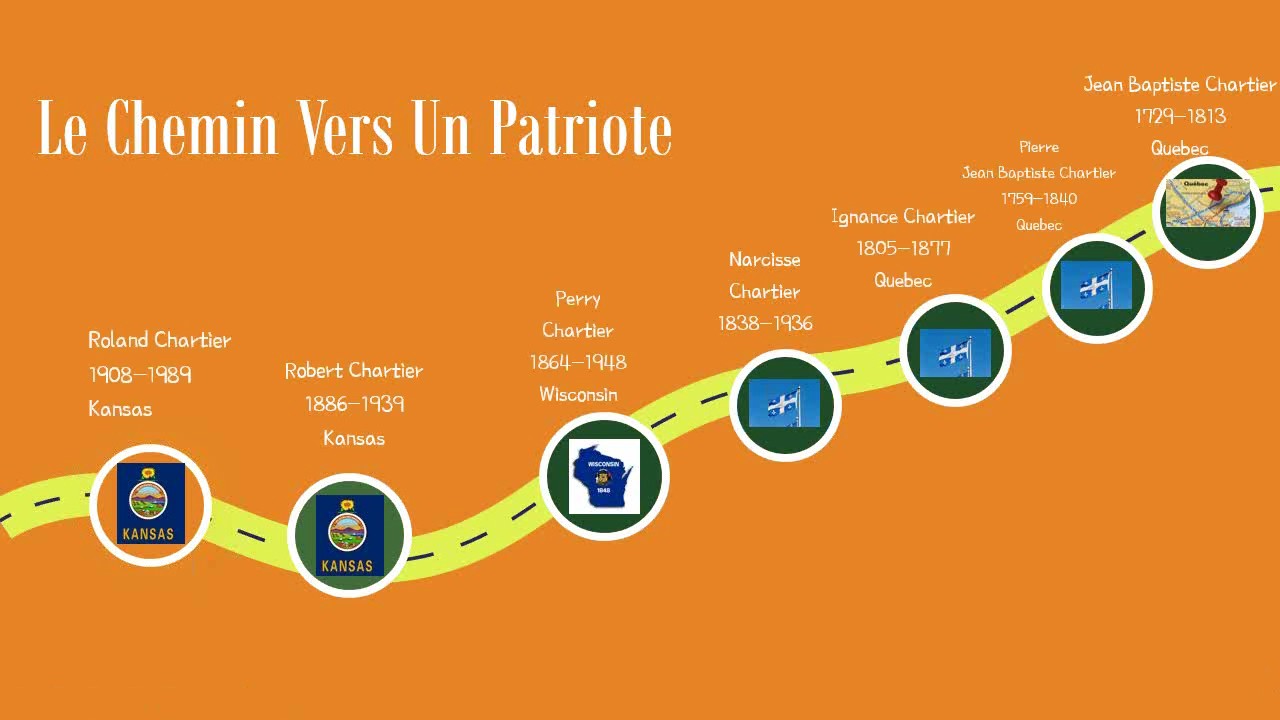
Dans cette présentation, nous examinerons le rôle joué par les citoyens québécois (francophones) dans la Révolution américaine, leur contribution à la cause et leur résistance au gouvernement britannique. Cette participation de ces « patriotes canadiens-français » peut permettre l'adhésion aux sociétés des Filles de la Révolution américaine (D.A.R.) ou des Fils de la Révolution américaine (S.A.R.). Nous explorerons l'histoire du Québec (Nouvelle-France) avant 1776 et les lieux où se sont déroulés les combats de la Guerre d'Indépendance au Québec. Après une brève description des sociétés généalogiques, nous présenterons des ressources permettant d'établir une filiation avec un patriote canadien-français. Enfin, trois études de cas seront examinées.
Tue, May 5 2026: 13:00 UTC
Thu, April 16 2026: 14:00 UTC
French
Retrouvez vos ancêtres canadiens sur MyHeritage
Thu, April 16 2026: 14:00 UTC
Cette session vous montrera comment MyHeritage peut vous aider à retrouver vos ancêtres canadiens grâce à des filtres lors de vos recherches dans les archives. Une liste des archives canadiennes disponibles vous sera fournie. Les sous-titres et la voix de cette vidéo ont été doublés en français à l'aide de l'IA.
Thu, April 16 2026: 14:00 UTC
Fri, April 17 2026: 18:00 UTC
Researching Métis Ancestors: Origins, Scrip, and Red River Records
Fri, April 17 2026: 18:00 UTC
In the late 18th century, Scotsmen traveled to York Factory to work with the HBC. Women and children were not allowed to travel with the men. Being indentured for 3-5 years, these men often coupled with Cree women, creating the Mètis Nation. HBC’s rival, the Quebec-based Northwest Company, sent their men to the Red River area to trap over the winter months. These men also coupled with the Cree women, adding French blood to the Métis. In this presentation, we will discuss 1) Who are the Métis? 2) Researching Métis Scrip 3) Researching ancestors from the Red River 4) Resources for research.
Fri, April 17 2026: 18:00 UTC
Thu, May 7 2026: 14:00 UTC
Spanish
Encuentre a sus antepasados canadienses en MyHeritage
Thu, May 7 2026: 14:00 UTC
En esta sesión se mostrará cómo MyHeritage puede ayudarle a encontrar a sus antepasados canadienses mediante filtros mientras busca en los registros. Se proporcionará una lista de los registros canadienses disponibles. Los subtítulos y la voz de este vídeo se han doblado al español utilizando IA.
Thu, May 7 2026: 14:00 UTC
Fri, June 12 2026: 15:00 UTC
Land Records of Upper Canada 1 of 3: Crown Land Petitions
Fri, June 12 2026: 15:00 UTC
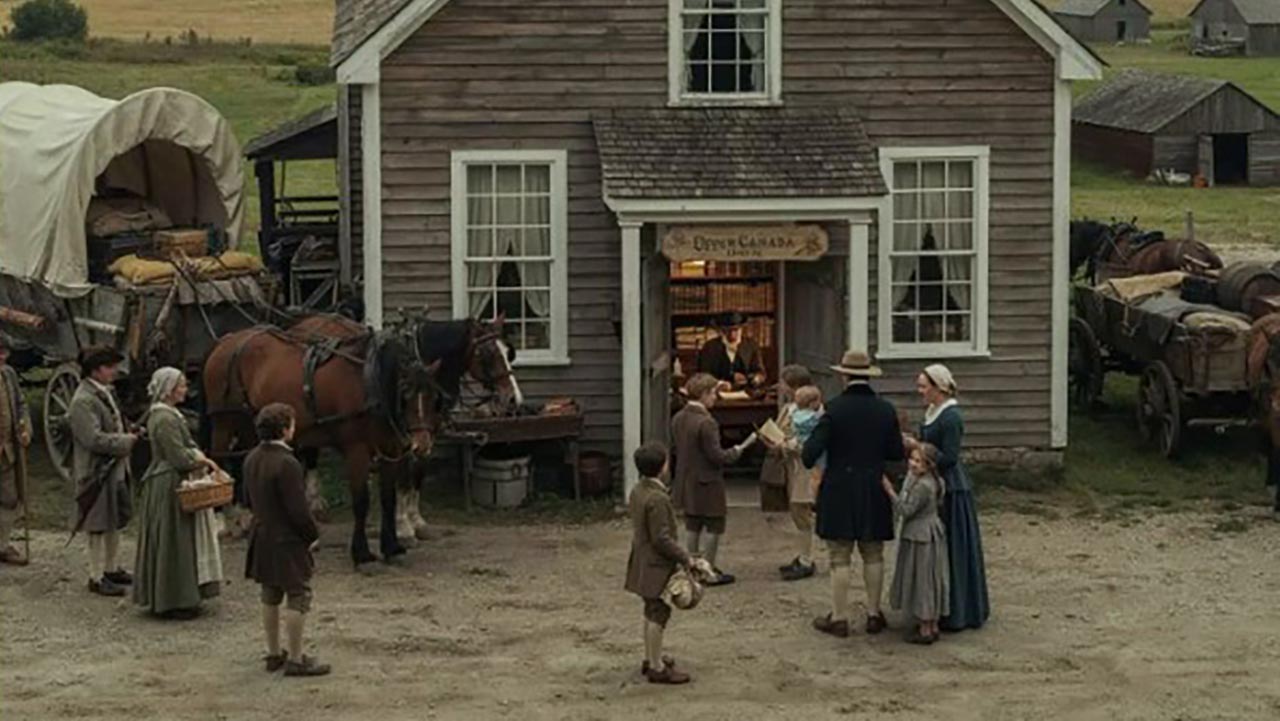
A comprehensive guide to Ontario land research, including crown land petitions, heir and devisee commission files, and land registry office records. Land was central to our ancestors’ lives. This three-part series covers: (1) Crown Land Petitions, (2) Heir & Devisee Commission Files, (3) Land Registry Office records. Each session uses case studies to demonstrate how these records solve genealogical mysteries.
Fri, June 12 2026: 15:00 UTC
Fri, June 12 2026: 16:30 UTC
Land Records of Upper Canada 2 of 3: Heir & Devisee Commission Files
Fri, June 12 2026: 16:30 UTC
A comprehensive guide to Ontario land research, including crown land petitions, heir and devisee commission files, and land registry office records. Land was central to our ancestors’ lives. This three-part series covers: (1) Crown Land Petitions, (2) Heir & Devisee Commission Files, (3) Land Registry Office records. Each session uses case studies to demonstrate how these records solve genealogical mysteries.
Fri, June 12 2026: 16:30 UTC
Fri, June 12 2026: 18:00 UTC
Land Records of Upper Canada 3 of 3: Land Registry Office Records
Fri, June 12 2026: 18:00 UTC
A comprehensive guide to Ontario land research, including crown land petitions, heir and devisee commission files, and land registry office records. Land was central to our ancestors’ lives. This three-part series covers: (1) Crown Land Petitions, (2) Heir & Devisee Commission Files, (3) Land Registry Office records. Each session uses case studies to demonstrate how these records solve genealogical mysteries.
Fri, June 12 2026: 18:00 UTC
Tue, June 23 2026: 18:00 UTC
Top 10 Canadian Collections at MyHeritage
Tue, June 23 2026: 18:00 UTC
Description, overview, and walkthrough of Kaye's Top 10 favourite Canadian collections available through MyHeritage.
Kaye Prince-Hollenberg
Description, overview, and walkthrough of Kaye's Top 10 favourite Canadian collections available through MyHeritage.
Tue, June 23 2026: 18:00 UTC
Fri, August 21 2026: 18:00 UTC
Migration Pathways Between Canada and the United States You Haven’t Considered
Fri, August 21 2026: 18:00 UTC
Migration between Canada and the United States was far more complex than a one-way journey north or south. Families crossed the border repeatedly, motivated by opportunities, community, and survival. This webinar explores four lesser-known migration pathways that genealogists often overlook.We begin with the New England Planters, who settled in Nova Scotia after the Acadian expulsion, with some later returning to New England or moving elsewhere in the Maritimes. Next, we trace Black migration, from Loyalists and Underground Railroad refugees to 20th-century workers commuting daily between Windsor and Detroit. The session then turns to industrial labourers who worked seasonally in lumber, mining, fishing, or in factories, leaving behind valuable records in both countries. Finally, we examine Depression-era relocations, when Prairie families sought survival in the U.S. Midwest and Americans looked north to Canadian farmland. Throughout, case studies illustrate research strategies and highlight the records that capture these movements. Attendees will learn how to: recognize overlooked migration patterns across the border; identify the key records generated by each pathway; utilize maps, timelines, and the FAN methodology to trace family histories; correlate records across Canada and the U.S. to prove identity; overcome challenges such as surname variations, missing records, and changes in boundaries.
Fri, August 21 2026: 18:00 UTC