Colonial Immigrants: Who They Were and Where They Came From
Mary Hill, AG


Content


About this webinar
Between 1607 and 1790, about 900,000 immigrants came to the colonies. Learn about each of the nationalities that came before the Revolutionary War, where they came from, and sources available to identify them.
About the speaker

Key points and insights
Unlocking the secrets of colonial ancestry requires a deep understanding of historical context, migration patterns, and the unique motivations that drove early immigrants to the New World. In this engaging genealogy webinar, expert speaker Mary Hill guides researchers through the complex history of American immigration from the 1600s to 1776. Covering diverse groups such as the Pilgrims, Puritans, Quakers, Chesapeake Cavaliers, indentured servants, Scots-Irish, and Palatine Germans, the presentation illuminates why these populations uprooted their lives and where they safely settled. By blending historical background with practical research strategies, this session serves as an essential resource for family historians seeking to trace lineages back to the earliest days of American settlement.
- Waterways as Migration Keys: Tracking early colonial ancestors relies heavily on geography, as inland pioneers predominantly utilized major waterways—such as the Hudson, Connecticut, and Delaware Rivers—to move into the interior from initial coastal touchpoints.
- Diverse Regional Motivations: Immigrant populations possessed wildly different socioeconomic and religious motivations; while New England attracted religious non-conformists like the Puritans, the Chesapeake region was shaped by English "second sons" establishing large tobacco plantations powered by a massive influx of indentured servants.
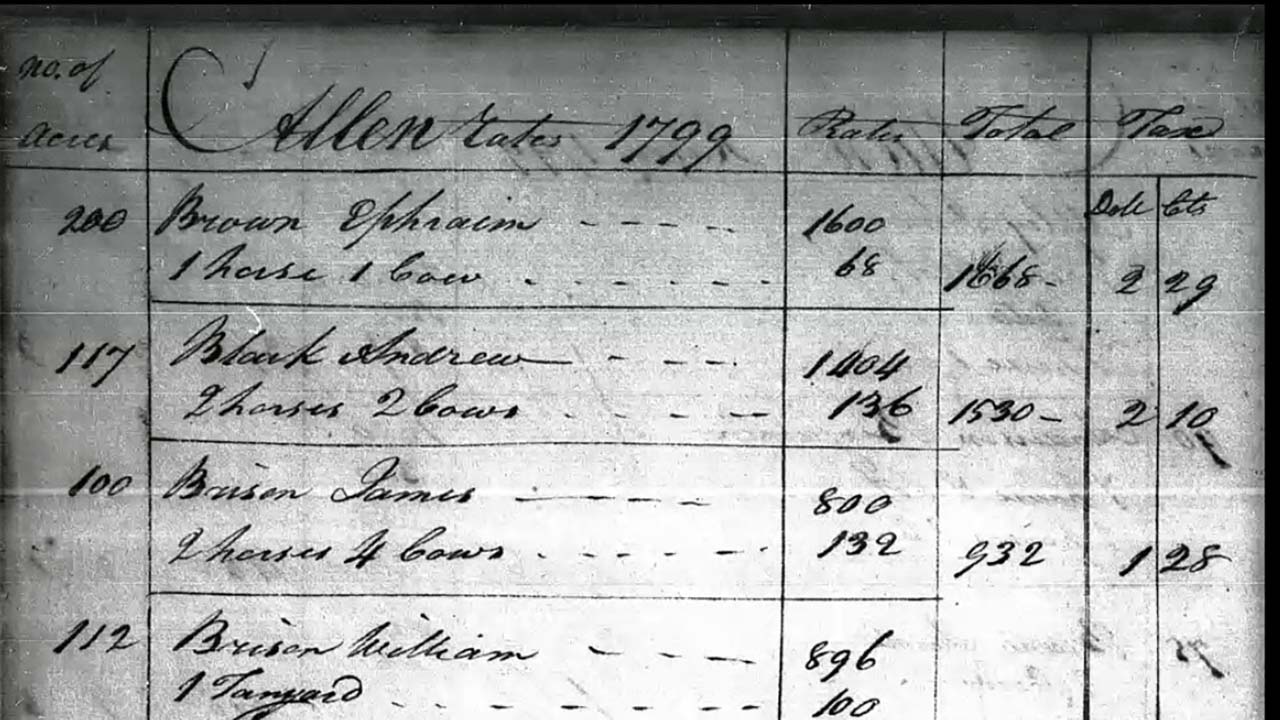
- Navigating Early Records and Oaths: Although pre-1820 passenger lists are generally scarce, researchers can successfully locate non-British colonial ancestors through specific administrative records, such as German ship manifests and mandatory Pennsylvania oaths of allegiance and fidelity.
To fully grasp these colonial migration pathways and uncover hidden branches of a family history, family historians are encouraged to view the full webinar. Watching the complete recording provides invaluable depth on utilizing major databases like Filby’s Passenger and Immigration Lists, the Great Migration Study Project, and specialized historical texts. Furthermore, genealogists are invited to explore the additional resources included in the comprehensive five-page syllabus accompanying the session. This exclusive material features a highly requested migration map detailing where various nationalities settled, alongside insights into an innovative color-coding organization method designed to streamline genealogical filing systems. Exploring the full resource provides the necessary breakthroughs to overcome challenging colonial brick walls.
Related webinars
 01:05:03
 01:06:21
 01:15:56
 01:00:23
 00:57:39
 00:58:35
 01:20:04