Cameras My Ancestors Held and What They Tell Us
Gordon L. McBean

Content


About this webinar
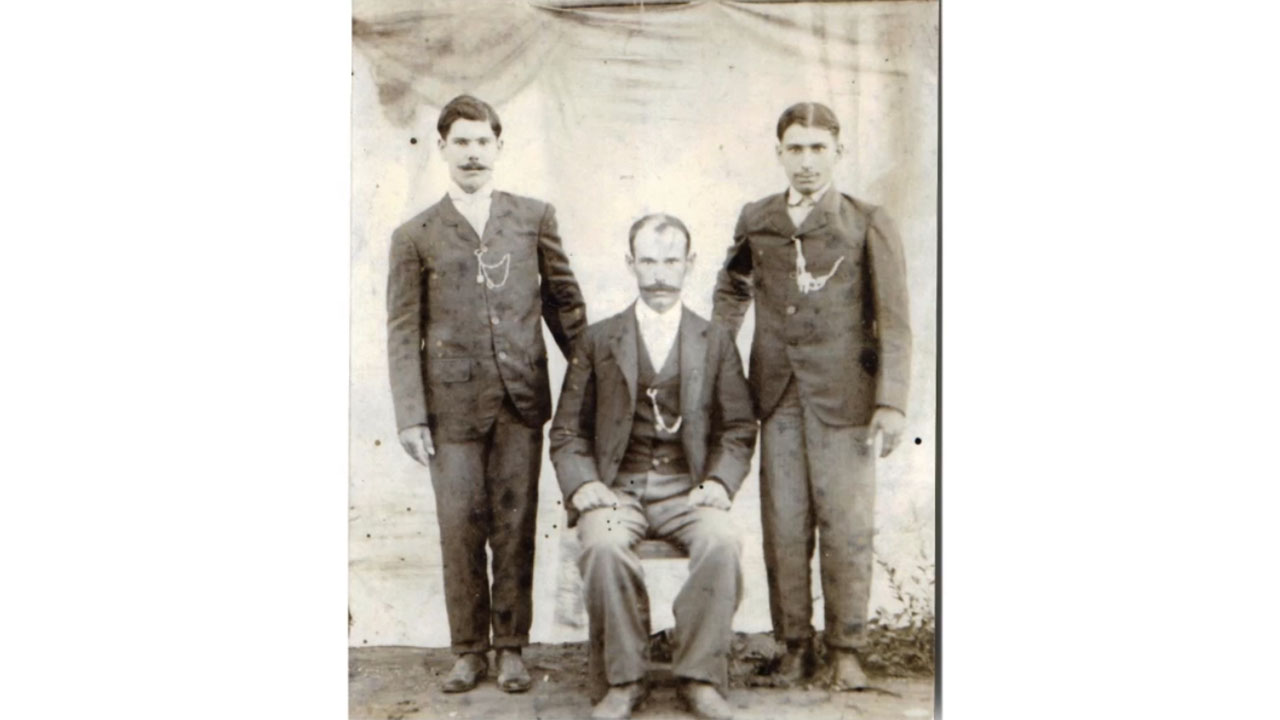
Family pictures were originally portraits created in a studio by a professional photographer. Taken by professionals in their studios, the sessions were grand events! Imagine the excitement – spending the whole day getting dressed up for the one and only time in your life you were likely to have your picture taken. With the advent of the Kodak camera amateur photographers were able to record the family in any location. In these photographs we see how our ancestors lived. We see their friends and extended families over for a game or a picnic, the gang for a party, their homes inside and out. We might see them at work. They took pictures of prized possessions and events in their lives. There was an explosion in the number of family pictures recording every occasion. I have a collection of antique cameras owned by my ancestors. The very ones they held as they captured the moments in their lives. I also inherited the negative collection from my mother. To be useful in genealogy we need to be able to identify the people and places in the images and fix a date to them. The process of scanning them and then trying to identify who was in them is helped in part by being able to identify which camera was used. Cameras and film became available at a fixed date and later fell out of common usage. Each camera used either a different type of film or created an image of different ratios on the film. We will look at sorting the images by these different film stock and size ratios using this information to add to the knowledge we have about each photograph. Each piece of information we gather about the image helps us to identify the subject. The most important clue is to be able to fix the date that the photo was taken. This helps us narrow who the subject might be. No single clue can provide a date, but the sum of the evidence provides a good estimate. Clothing, hair styles, poses locations and backgrounds help us in our quest to identify the people and places. I was lucky to inherit the family negative collection. If people do not write on the beck of photographs, they definitely don’t identify who is captured on the negative and what was the date as well as the occasion. The process is like a great detective mystery. We just need to learn how to read the clues and follow them! Our family story is made richer with the addition of photographs. Names become individuals we can recognize and relate to.
About the speaker

Key points and insights
In the Legacy Family Tree Webinar presentation Cameras My Ancestor Held and What They Tell Us, speaker Gordon McBean explores how understanding camera technology and photo formats can unlock the hidden histories within family photo collections. While studio portraits from earlier eras offer distinct clues through formal props and backdrops, the advent of amateur cameras introduced snapshot and postcard photography, capturing candid, everyday moments of ancestors. McBean demonstrates how examining physical characteristics—such as film sizes, print ratios, back-printed batch numbers, process dates, and subtle background details—can help genealogists date unlabelled pictures, identify unknown relatives, and place family stories into proper historical context.
- Film Formats as Dating Tools: Specific film sizes—ranging from 122 postcard format to 116, 120, 127, and 35mm—were introduced during distinct timeframes; identifying a negative or contact print's dimensions establishes a precise starting threshold for when a photograph could have been taken.
- Unlocking Background Details: Architectural features, streetscapes, unique porch railings, and localized landmarks like bridges or station platforms often persist across generations, allowing researchers to link separate photos to specific family properties and geographic locations.
- Tracing and Visual Mapping Techniques: Laying tracing paper over group photographs to create numbered outlines provides an effective, clear system for collaborating with relatives to accurately identify individuals without confusing listed names.
To discover the full range of strategies for analyzing photo collections and organizing inherited negatives, watch the complete webinar recording available on Legacy Family Tree Webinars. Genealogists are also encouraged to download the session syllabus, which includes a detailed photo evaluation worksheet and a curated list of reference websites designed to help identify studio settings, vehicle models, and historical print formats.
Related webinars
 00:59:13
 01:06:24
 01:18:46
 01:30:42
 00:36:16

Comments (29)
Finally, a class matching old photos to the likely camera used to take it, and a time frame to go with it. This was great and very useful to me.
Wonderful presentation about old cameras, the film they used and the photos they took. The is definitely a watch again webinar.
This was a wonderful presentation. The camera and processing history was so helpful and I loved seeing Gordon's family photos - so many of them reminded me of my family's photos. Heartening to know that my NY & PA ancestors took the same type of pictures as Gordon's Canadian family.
Wonderful topic! Great information! So much fantastic information...now if only I didn't need to sleep, I'd be off sorting negative sizes and backgrounds 24/7! LOL!
Very interesting webinar. A history lesson in cameras. I wish now that I had kept my box Brownie camera I had as a teenager. Thank you.
Very interesting--especially the many links to additional resources in the handout! That alone makes the subscription worth it.
Great presentation. Well organized and presented. I appreciated all the information on the different cameras and film sizes.
Great webinar, so much information. Great tips on identifying pictures. I love the old cameras