0 webinars selected
Select all
Cancel
Cancel
All Categories
English

15 Upcoming Live Webinars
Clear filter
Researching in Devon
Devon is a large county with two coastlines and a diverse geography. The 420+ historic parishes embrace a varied history with fishing, maritime activity, agriculture and mining underpinning the economy. It also has an interesting religious history, featuring a strong element of several strands of Methodism. Emigration has been a key feature in the county’s history, so there are many people with Devon roots, spread across the world. Come and find out about the records, archives, organisations and websites that can help you with Devon research. Learn what is specific to trying to uncover your ancestry in this beautiful county.
—: —

African Americans in Indiana Before the Civil War
Over 10,000 African Americans lived in Indiana in 1860. Some of them lived in thriving African American settlements such as Cabin Creek in Randolph County. Among its residents was Peter Ladd, a landowner and farmer who lived to the remarkable age of 96 years old. Drawing on land records, census records, newspapers, and other research, this session will discuss Indiana’s early African American settlers. Attendees will come away with historical insights and practical strategies and resources for researching African Americans who lived in Indiana before the Civil War.
—: —

DNA in Action 5 of 6: Writing About Complex Results
How do you organize and explain a difficult DNA case? Karen will walk you through the writing decisions behind a complex proof argument that was published in a scholarly journal. See how evidence is assembled to meet professional certification standards.
—: —


From Data to Dialogue with AI 5 of 5: Keeping Your Voice—Collaborating Creatively with AI
Turn structured research into stories, images, presentations, and shareable formats with AI. Advanced application of AI for publishing and presenting; includes image generation, storytelling prompts, visual outputs; activities include drafting, editing, and building presentations.
—: —

Taking a Deep Dive into Mexico - U.S. Border Crossing Records
The documents found in the U.S. border crossing record collections are packed with valuable information often missed when researching Mexican immigrants. This webinar covers historical legal context pertaining to record keeping at the Mexican border, examines the most common types of documents in these collections, and highlights situations specific to researching Mexican families. Learn how to decipher clues found in these records that lead to other important immigration records and how to obtain those.
—: —

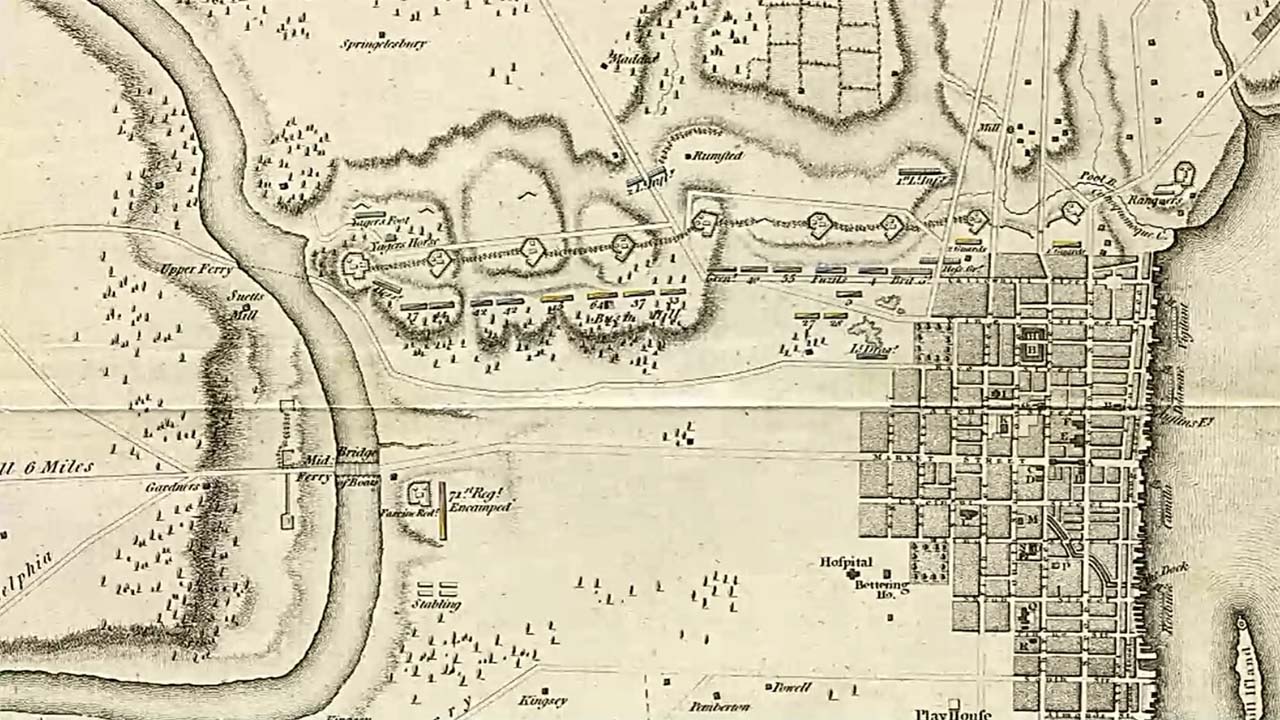
Tracing property in England - from Domesday to present day
A whistle-stop tour of some of the key resources for tracing land and property in England from the Domesday Survey in 1086 to today, using the case study of a 15th century farmhouse in Kent. From manorial records to title deeds, tithe records to Ordnance Survey maps, there is a vast range of documentation relating to the ownership, occupation and use of land and property in England, from tiny tenements to large estates.
—: —

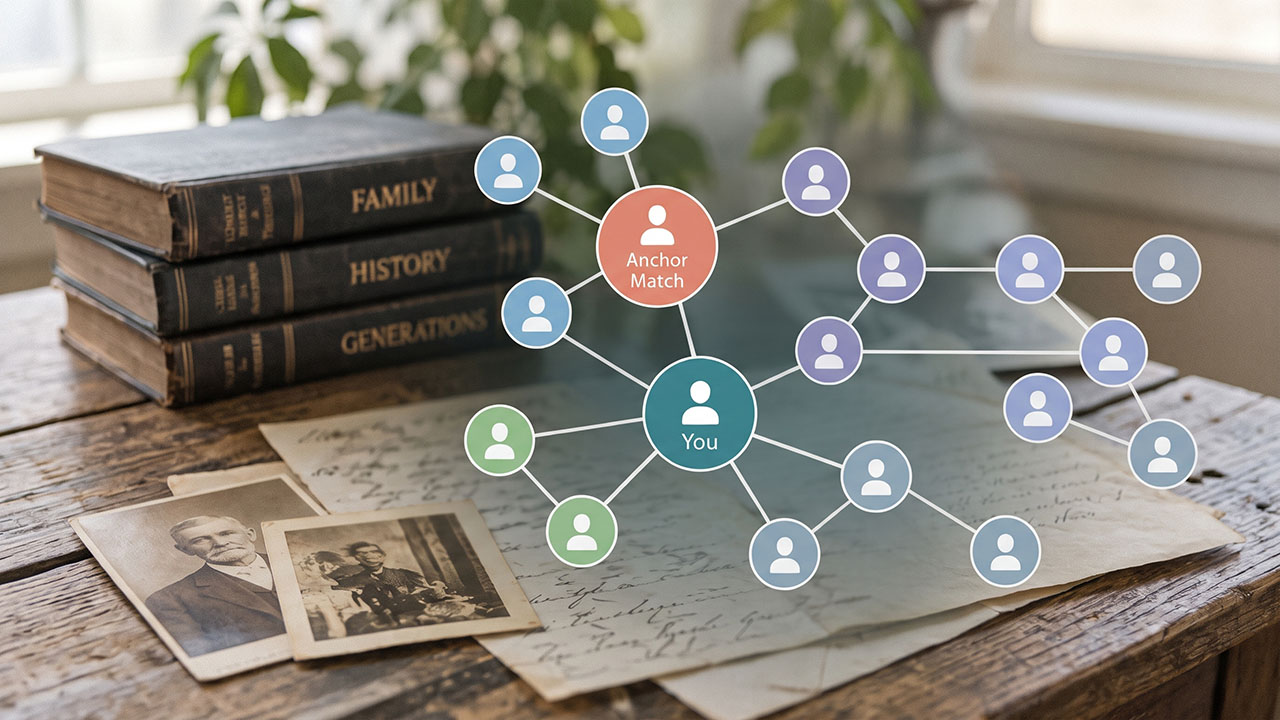
Breaking Irish Brick Walls: A Y-DNA and Clustering Case Study
This presentation first explores clustering and how I used it to break through a brick wall at 1800. This added 24 additional ancestors and five additional generations to my family tree. Thereafter, I switched to Y DNA which allowed me to confirm the veracity of the ancestor line back to the mid-1600s and I am continuing to attempt to connect the line to Wales in the 1500s and prior to that to an established pedigree that goes back to the time of Noah.
—: —

Italian Genealogy: Unlocking Passport Collections in Archives
Italian passport records are a hidden gem for family historians researching Italian ancestors. Issued by local or national authorities, these records often include detailed personal information such as birthplaces, occupations, physical descriptions, and destinations. Whether your ancestors left Italy in the 1800s or early 1900s, passport applications and registers can help confirm identities, track migration patterns, and fill in gaps between civil and church records. This presentation explores the Italian passport process, where these records are housed, and how to locate and use them in your own research. We’ll look at examples from various time periods and Italian archives, including Naples, Genoa, Treviso, and more. Learn how to access these collections both in person and remotely, what is online and what is not, tips for navigating Italian archive websites, using search tools, and drafting request letters in Italian.
—: —

English Bastards and their Records
We all have illegitimate children in our family trees. Learn why parish and court officials wanted to know so badly the name of the father of illegitimate children. Learn how the laws changed over time, what records have been created, how to access, and what indexes may have been created.
—: —

Essential Skills for New Genealogists 6 of 12: Church & Religious Records for Fun & Prophet!
Typical church records in the Christian context and their use. Evaluation of baptismal/dedication records and their use as substitutes when vital records are absent; marriage records with additional clues included; burial records and their utility; cemeteries, public and private; discussion of Jewish congregational records.
—: —

Illinois Digital Resources: Top 5 genealogical Sites for Finding Your Land of Lincoln Ancestors
Tina will walk you through her top 5 favorite websites for finding your Land of Lincoln ancestors. From CARLI to IDA, Tina will show you how to find maps, newspapers, phonebooks, company magazines, yearbooks and more. Illinois has it all! Learn how to dig into these online resources and get to know your Illinois ancestors.
—: —
DNA in Action 6 of 6: Ruling Out Competing Hypotheses
Using logic is essential for reaching a defensible conclusion. This session explores how to use logical frameworks to systematically rule out candidates as a source for the shared DNA with a cousin. Karen will use case examples to show you how to avoid confirmation bias and gain confidence in your conclusion.
—: —
Featured Webinars
View all (2,873)
 01:24:36
 01:29:50
 00:56:57