Featured Webinars

View all (2,617)
1:18:46
1.1K views
Free
From Problem to Solution: A Case Study Approach to Using AI in Genealogy
Artificial intelligence is changing the way genealogists work—but how do you move beyond tips and tricks to apply AI in a sound, methodical way? In this session, Andrew Redfern demonstrates how a case study approach provides the answer. Using real examples, he walks through the stages of tackling a genealogical problem with AI, showing how tools can assist with transcription, analysis, correlation of evidence, and presentation of findings. Rather than treating AI as a shortcut, Andrew highlights how to integrate it into the established genealogical research cycle—problem definition, source gathering, analysis, and conclusion. Attendees will see how AI can clarify complex evidence, save time on repetitive tasks, and support storytelling, while still requiring human expertise and critical thinking. By the end of the session, participants will have a practical framework they can adapt to their own research problems, ensuring that AI becomes a trusted partner in genealogical methodology.
Wed, January 7 2026: 20:30 UTC
1:12:49
1.3K views
Free
Tracing an Ancestor’s Journey with ChatGPT: Unraveling Family History with AI
Explore how AI technology, exemplified by ChatGPT, can revolutionize your family history, by embarking on a journey through an ancestor’s life, leveraging AI to uncover his story and shed light on the broader implications for genealogical research!
Wed, January 7 2026: 19:00 UTC
Advanced
59:52
1.2K views
CC
Free
AI as Partner, Not Replacement: Human-Led Research Planning in the Sally Keaton Case
This lecture explores how modern AI tools can assist genealogical research planning through the case of Sally Keaton, where the objective was to identify her children using limited historical records and DNA evidence. The presentation demonstrates how to structure effective research plans with AI assistance, covering essential elements including clear objectives, summaries of known facts, working hypotheses, identified sources, and prioritized strategies. Using Sally Keaton’s case as the central example, the lecture showcases practical AI tools, such as side-by-side editors: Canvas (ChatGPT and Gemini) and Artifacts (Claude); also advanced capabilities including reasoning models and organizational tools like ChatGPT’s Projects, Claude’s Projects, Perplexity’s Spaces, and Gemini Gems. While AI can create research plans on its own, human-AI collaboration produces better results. When researchers guide and refine AI-generated strategies instead of using fully automated planning, they achieve more accurate results.
Wed, January 7 2026: 17:45 UTC
58:07
1.7K views
Free
Genealogy Meets the Internet Archive and AI: A Comprehensive Review
Learn to harness the Internet Archive’s free digital library—a treasure trove of digitized family histories, city directories, census and church records—to enrich your genealogy research. Learn how to build complex prompts to build an index of surnames on a 400 page genealogy book from 1898. Learn how to extract a list of migration routes from the same book, organized by surname, then in generation order, and placed in an Excel file. With the help of AI, you can get the most out of Internet Archive.
Wed, January 7 2026: 16:30 UTC
11:26
129 views
CC
Genealogy in Your Pocket: 5 Simple iPhone Tricks for Family History
Family history can happen when you least expect it: having coffee with your cousin, passing a commemorative plaque, or on the road. Here are 5 simple iPhone tricks to make sure you never miss an opportunity to break a brick wall.
Fri, January 2 2026: 12:00 UTC
Advanced
1:44:06
1.8K views
CC
The Best Uses of AI for Genealogists
Learn how to use artificial intelligence to help find important family information, understand old documents, and craft compelling family stories to support your family history research. This webinar will introduce you to the best uses of AI in genealogy today and give a peek behind the curtain of what genealogists can look forward to from AI advancements in 2026.
Fri, December 19 2025: 19:00 UTC
10:24
327 views
CC
Working With GEDCOM Files Using AI
Gedcom files are useful for transferring family tree data but they aren’t easy to read or work with on their own. In this TechZone, we’ll explain how you can use AI to easily extract information from a gedcom file and create word documents or spreadsheet.
Fri, December 5 2025: 12:00 UTC
58:01
300 views
French
Construisez, enrichissez et partagez votre arbre sur Filae.com
Créer et importer des arbres sur Filae est gratuit. Ce webinaire vous montre comment enrichir votre généalogie en ajoutant individus, événements, notes et documents. Nous explorerons aussi les fonctionnalités comme la détection d’incohérences pour une généalogie fiable, les suggestions d’archives pour enrichir votre arbre de documents originaux, le suivi des recherches pour guider votre enquête, sans oublier les invitations pour partager le fruit de vos recherches avec vos proches.
Tue, December 2 2025: 14:00 UTC
1:18:46
834 views
CC
Organize Digital and Digitized Photos & Documents Using AI
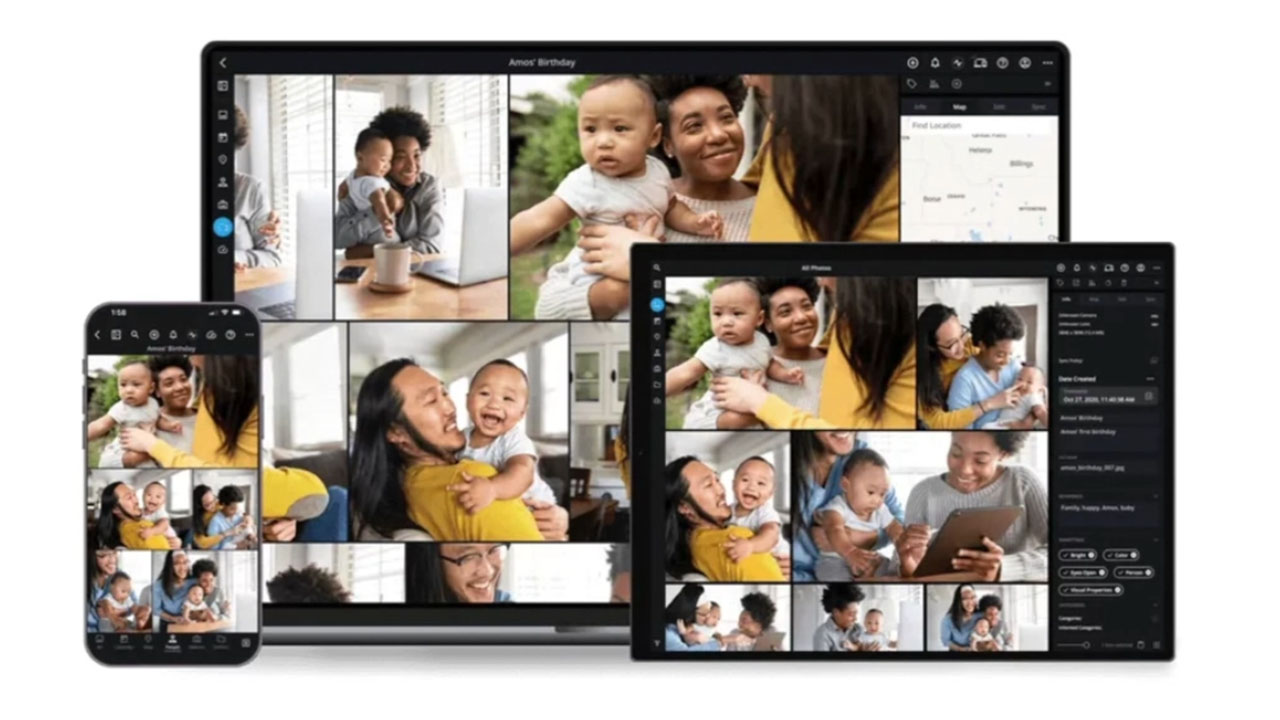
Excire Photo 2024 is a new program that lets you automatically add keywords and your own custom ones; search for one or more images by free text, keyword(s), groups or individual people; identified faces; GPS locations; event; main colour in an image; by camera model, camera lens, lens focal length used, shutter speed used, and more. All of this metadata is written directly to your files or to XMP sidecar files, so the information stays with your images, not trapped in a proprietary database. This feature rich program is available for Windows and MacOS, even on M1 and later processor chips. Learn how this software can relieve you of much time and effort in organizing your digital images.
Fri, October 24 2025: 18:00 UTC