Filters
0 webinars selected
Select all
Cancel

Historical Records

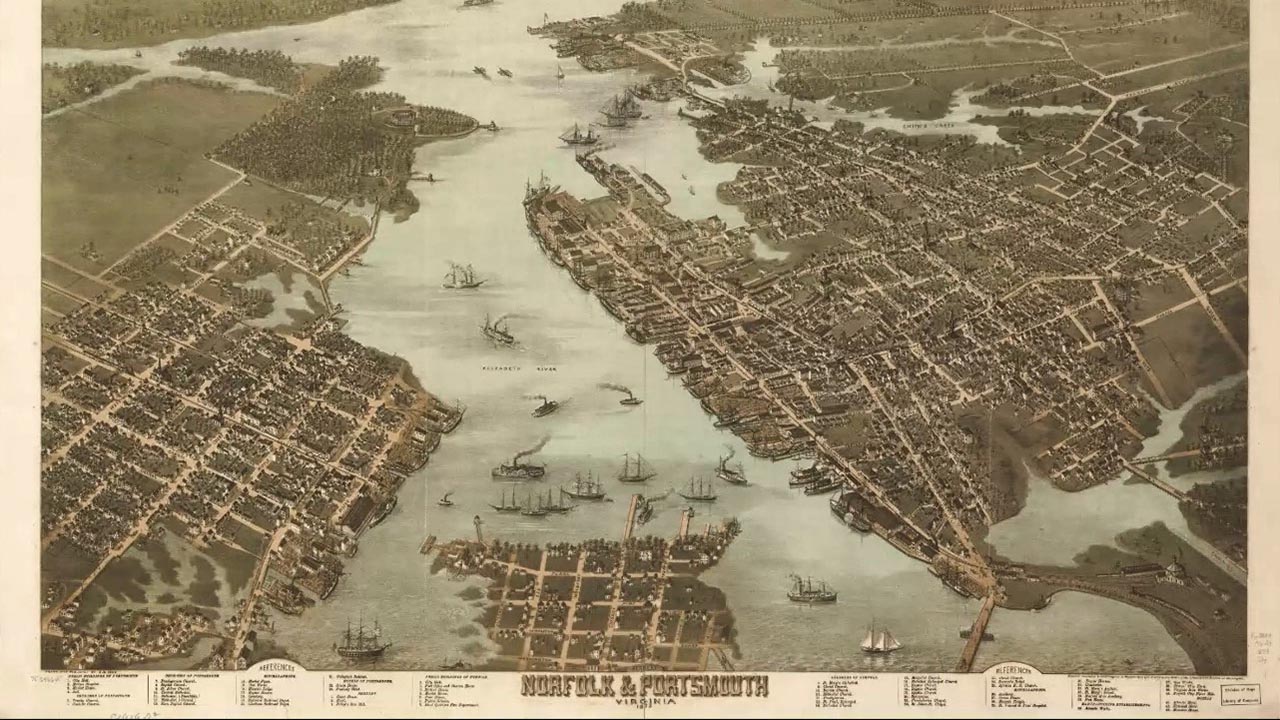
Watch webinars that focus on specific record categories including adoption, vital records, cemetery records, census records, city directories, immigration records, newspapers and more for locations around the world.

0
of
233 Upcoming Live Webinars Clear filters
No results for the chosen filter

Featured Webinars

View all (2,649)
59:38
982 views
Spanish
CC
Free
Documentación de cementerios con BillionGraves
Si las lápidas pudieran hablar, tendrían muchas historias que contar. Pero no pueden, por eso BillionGraves es la mejor alternativa. BillionGraves es la mayor base de datos del mundo sobre cementerios, conectada a un sistema GPS. Cuando se toman fotos con la aplicación BillionGraves en el teléfono, cada lápida se marca automáticamente con una posición GPS. A continuación, los datos son transcritos por voluntarios, transferidos a planos de cementerios y almacenados en los sitios web BillionGraves, FamilySearch y MyHeritage para millones de familias de todo el mundo y para las generaciones futuras. Los subtítulos y la voz de este vídeo se han doblado al español utilizando IA.
Tue, February 17 2026: 14:00 UTC
1:21:01
395 views
CC
Free
Searching for Sisters? Researching Catholic Nuns in the United States
Catholic nuns and sisters ran some of the U.S.’s earliest schools, orphanages, and hospitals; nursed on Civil War battlefields and during disease outbreaks; and served millions of Catholic immigrants and their families. Today, those nuns and sisters are mostly forgotten. Many changed their names and moved far from home, making it difficult for genealogists to recognize them in records. But those who can trace a woman into religious life may discover a rich trove of records about the sister and perhaps about her family. Sometimes records even survive for a religious order’s academy, hospital, or other ministry. Come see what you may be able to learn from the many archives of Catholic nuns and sisters from the author of the newly-published Searching for Sisters: Researching Catholic Nuns in the United States.
Wed, February 11 2026: 19:00 UTC
1:10:02
Context in the Count: Interpreting the U.S. Census With a Historical Perspective
The U.S. federal census wasn’t designed with genealogists in mind; it was created to meet the changing needs of a growing nation. This session takes you beyond the names and numbers, exploring the historical context behind each census from 1790 to 1950. We’ll examine how shifting questions, enumeration methods, and national priorities have shaped the records we rely on today. By understanding the “why” behind the census, you’ll gain tools to interpret your ancestors’ entries with greater accuracy and uncover richer stories hidden in the data.
Wed, February 4 2026: 20:30 UTC
1:14:33
823 views
CC
Case Studies in Census Conflicts – Resolving Contradictions Across Decades
Census records often contradict one another. Ages change, names vary, and places of birth are inconsistent. This session demonstrates how to analyze and reconcile those conflicts through timelines, correlation with other records, and case studies that show how to draw conclusions from imperfect evidence.
Wed, February 4 2026: 19:00 UTC
58:19
742 views
CC
The Many Faces of the Census: Beyond the Population Schedule – Agricultural, Mortality, and Industry Records
Most researchers stop at the population schedule, but census records also include valuable schedules that document farms, businesses, deaths, and community life. This session explores agricultural, mortality, and industry schedules, showing how they can be used to add depth to family history.
Wed, February 4 2026: 17:45 UTC
1:01:11
Advanced Census Research: Understanding Census Enumerators and Their Instructions
The census is one of our basic research tools, but basic doesn’t equal simple. Often a census record can raise as many questions as it answers, and some of those questions may seem unanswerable. Learn how an understanding of who the enumerators were, what their instructions prescribed, and some of the many ways they deviated from the instructions can answer many of the questions raised by census research.
Wed, February 4 2026: 16:30 UTC
1:23:24
Where They Once Stood: Finding Your Immigrant Ancestor’s Place of Origin
Often family researchers know only the country from which their ancestor emigrated. This presentation offers examples of American records that can answer the question, “But, exactly where were they from?” Finding an ancestor’s specific place of origin in the old country can open doors to foreign records that can add generations to your family tree, and bring greater appreciation of your heritage. You may even be able to stand where they once stood.
Wed, January 14 2026: 19:00 UTC
59:53
262 views
CC
Introduction to U.S. City Directories
City directories are an integral tool in genealogical resources in locating individuals and businesses at specific time periods, and gleaning other details that may point you to other evidence. They can help you determine the date of arrival or departure, residence, occupation, and more. They are great substitutes for census records and for the in-between years. Introduction to City Directories tells you what you can find, places you can find them, and how to obtain the most information from them. You’ll also see images of many types of city directory pages so that you will know what they can tell you. This webinar was first released on the Genealogy Guys Learn website.
Thu, December 11 2025: 12:00 UTC
53:19
326 views
CC
20th Century CWGC Burials
This database of the Commonwealth War Graves Commission (CWGC) contains WWI and WWII military burials world-wide. Not all burials in CWGC cemeteries are military. Burials include civilians, diplomats, medical personnel, and volunteer aid workers, including women. Most CWGC cemeteries have burials of the unknown as well as Monuments listing the Missing. Some military burials in civilian cemeteries are in this database. Photos of headstones and lists of missing in several CWGC cemeteries in Italy are included. Advises on best utilization of CWGC search engines with different approaches. Information on identification of unknown burials, research possibilities, and CWGC outreach programs are available on the website.
Fri, December 5 2025: 19:00 UTC